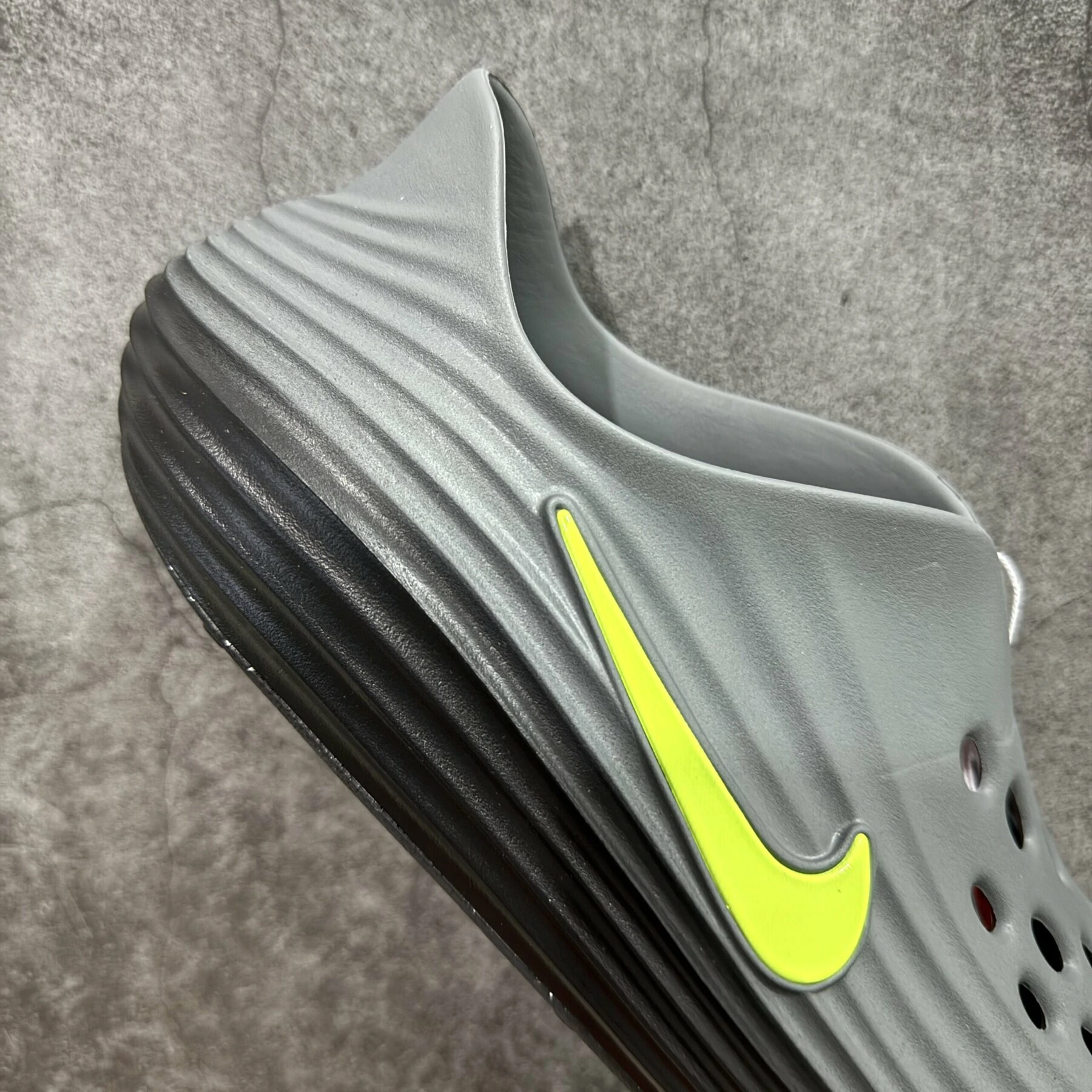
Most searches for a nike air sale come from buyers who already know the retail price and want to land below it. If you run a brick-and-mortar shop or an online store, that usually means you need closeout, off-price, or liquidation stock you can resell at a real Margin. What follows is a working guide to where markdown Nike Air Inventory comes from, how to price it against landed cost, and how to screen a Supplier before you wire a deposit.
Where Real Markdown Inventory Comes From
Markdown stock rarely appears out of nowhere. Retail shelf pulls, off-price distributors, and liquidation lots are the three main channels, and each one behaves differently when you buy for resale. Knowing which channel a quote came from tells you more about the deal than the discount number does.
Retail shelf pulls are the safest and the smallest. You get a short, often broken size run, and the discount is modest. They work for filling gaps in a core run but rarely support a full seasonal program.
Off-price distributors sit in the middle. A legitimate nike air sale at this level arrives as case packs, mixed sizes, and paperwork that ties back to an actual supplier. Ask for the invoice chain before you ask for a quote, because a distributor who cannot explain where the goods came from will not be able to help you if a batch turns out to be wrong.
Liquidation is where most losses happen. Pallets are sold as-is, graded loosely by the seller, and often include crushed boxes, missing lids, and pairs that will not pass a shelf check. The headline discount on these lots is the least reliable number in the entire transaction.
Price Benchmarks and Margin Math
Do not anchor on the percentage off retail. Anchor on landed cost per pair, then work backward to what your customers will actually pay in your market. A discount means nothing until freight, duties, sorting labor, and unsellable units are inside the number.
| Source | Typical discount off retail | Order size reality | Risk level | Best for |
|---|---|---|---|---|
| Retail markdown and shelf pulls | 20-40% | By the pair or small case packs | Low | Filling gaps in a core size run |
| Off-price and closeout distributors | 30-50% | Case packs, often mixed sizes | Medium | Shops with steady weekly turnover |
| Liquidation pallets | 50-70% | Pallet minimums, mixed brands | High | Buyers who can sort and grade in-house |
| Store-closing auctions | Variable | Lot-based, sold as-is | High | Experienced buyers with cash ready |
Those ranges are indicative only and vary by model, colorway, and season. Confirm actual terms with the supplier before you budget against them.
Run the math on unsellable units first. A pallet sold at 60% off with a 20% damage or mismatch rate is not a 60% discount, it is closer to 50% once the dead pairs are written off. Compare any nike air sale quote on landed cost, not on the headline figure. Add inbound freight per pair, customs and duties, and an allowance for the units you will end up marking down a second time. If the resulting margin does not clear your normal target, the deal is not a deal.
Vetting a Supplier Before You Send a Deposit
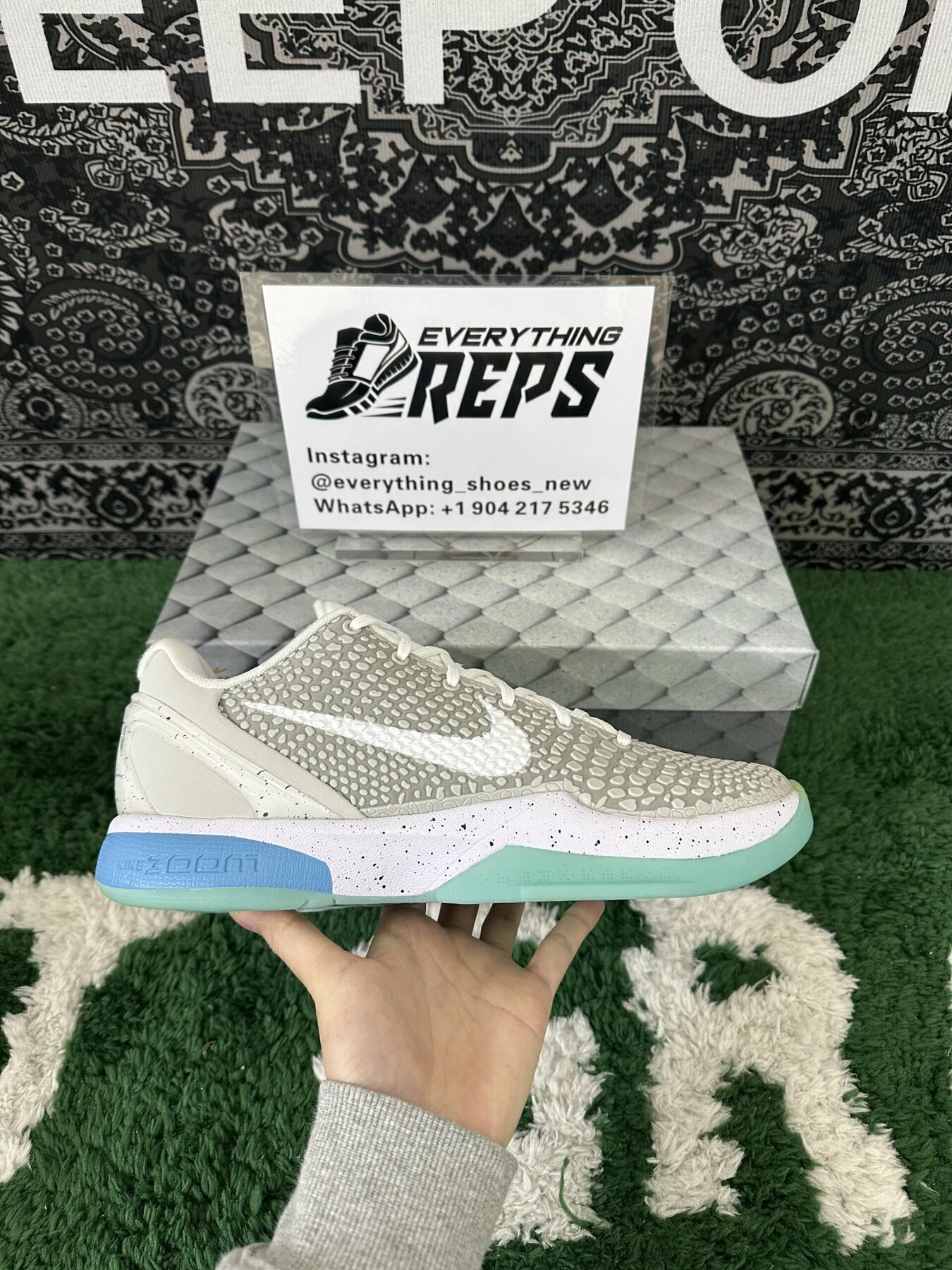
Supplier screening is boring and it is the only part that reliably protects your cash. Work through the same list every time, even with a contact you have used before, and keep the answers in writing.
- Confirm the business name, physical address, and a phone number that reaches a person, not a voicemail loop.
- Request the invoice chain or allocation paperwork for the specific lot, not a generic sample invoice.
- Ask for photos of the actual units in the lot, including box condition and size tags, with a dated marker in frame.
- Get the return and short-ship policy in writing, including who pays freight on a disputed batch.
- Start with one small order paid through a method with recourse, then scale only after the first shipment clears inspection.
- Check references from other US buyers and call at least two of them.
Pressure tactics are the clearest warning sign. A supplier who needs your deposit in the next two hours, who refuses photos of the actual goods, or who insists on an irreversible payment method is telling you something useful. Walk away and keep the contact on file for when the story changes.
Authenticity Checks on Nike Air Product
A low price is not evidence of anything, in either direction. Plenty of genuine closeout stock sells cheap because it is late, broken-sized, or an unpopular colorway. Plenty of counterfeit stock sells at near-retail to look safe.
Labels and Boxes
Compare the box label font, spacing, and style code against a pair you already own in the same model. Style codes should match the shoe and the season. Mismatched labels across a single case pack are a red flag worth stopping on.
Stitching, Glue, and Air Units
Look at stitch density along the toe and heel, glue seepage at the midsole joint, and the shape of the visible Air window. Counterfeits tend to be either too clean or noticeably sloppy, and the Air unit often sits wrong in the midsole.
Size Tags and Insoles
Inside tags should be crisp, correctly spelled, and consistent with the production dates on the box. Pull an insole and check the stitching underneath. On any high-value lot, budget for a professional authentication service before you list the goods.
What Actually Sells After You Buy
Core colorways in men's US 8 to 11 move fastest in most US shops, with women's 7 to 9 close behind. Odd sizes and loud limited colorways sit longer, so discount them in your plan from day one. A mixed lot that is heavy on size 13 and light on size 9 is a storage problem, not inventory.
Sort every shipment into three piles: shelf-ready, second-quality, and dead. Shelf-ready goes out at your normal markup, second-quality moves to a sale rack or an online listing with clear condition notes, and dead stock gets bundled into a future lot or donated. Tracking the ratio across three or four orders tells you which supplier's grading you can trust.
Questions Buyers Ask Before Committing
Is a 50% discount on Nike Air realistic?
On liquidation pallets, sometimes, but the discount usually comes bundled with damage, mixed brands, and weak size curves. On clean case packs from an off-price distributor, 30-50% off retail is a more common range. Treat any figure far outside that band as a signal to inspect the goods more closely, and confirm terms directly with the supplier.
What minimum order should I expect?
Small case packs and shelf pulls can start in the low dozens of pairs. Pallets typically start in the hundreds. Anything below those levels usually means a reseller rather than a distributor, which is fine, but expect thinner margins and less consistent supply.
How do I verify sizes in a mixed lot?
Ask for a size breakdown by model before you pay, and compare it against your own sales history. If the seller cannot provide a breakdown, assume a flat distribution across sizes, which almost never matches real demand. Inspect a sample case on arrival before releasing the rest of the shipment.
Should I start with pallets or case packs?
Start with case packs. They cost more per pair but let you learn a supplier's grading standards and shipping reliability without risking a large sum. Move to pallets once you have a sorting process and a buyer for second-quality stock.
Next Step
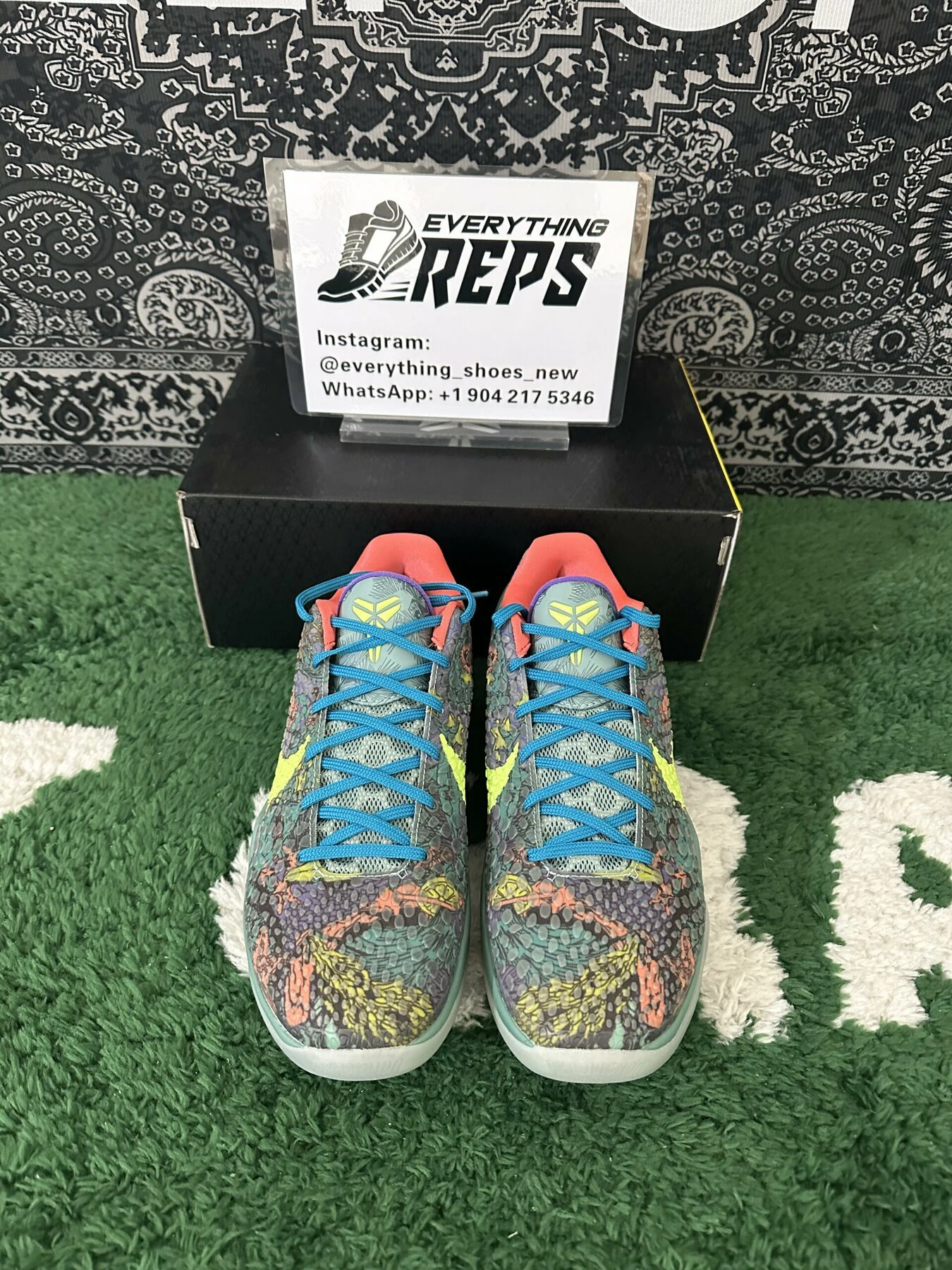
Send over the models, size curves, and quantity ranges you are working with, and we will come back with current availability, grading details, and a landed cost estimate for your zip code. Include your target retail price so the quote reflects what your customers actually pay, not just what looks good on paper.