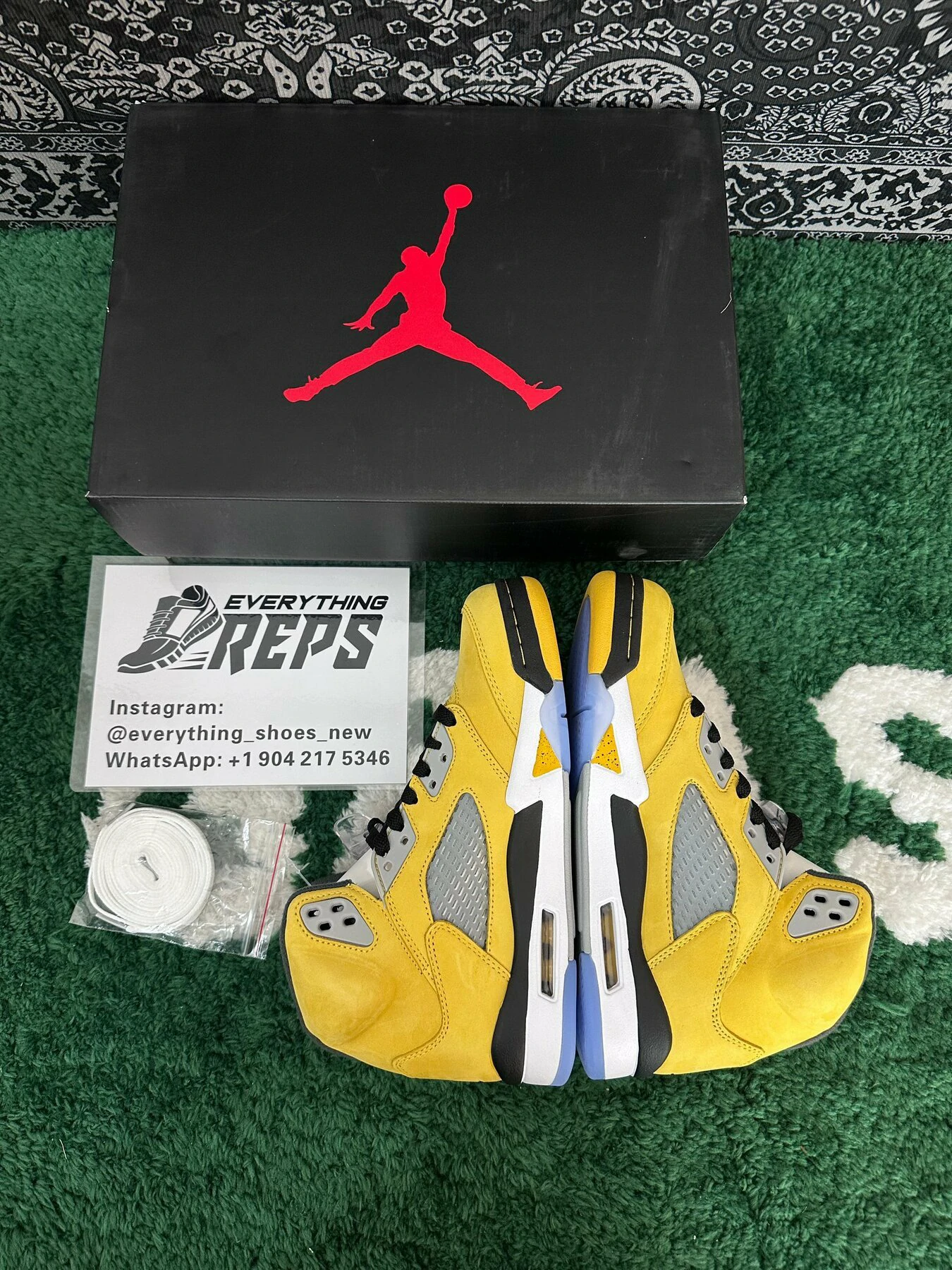
Most independent Shops cannot buy the Air Jordan retro 4 x Off white through a normal wholesale account, and that one fact drives every Sourcing decision around the shoe. Nike moves collaboration releases through raffles and select retail doors, so any stock offered to you is secondary-market goods. What follows covers how to price it, how to screen suppliers, and how to avoid the fakes that trail this model everywhere.
Why No Wholesale Account Exists for This Pair
Collab releases like this one are allocated, not distributed. A handful of doors get pairs, most get none, and the rest of the market trades the shoe back and forth after launch day. Your cost basis is therefore set by the secondary market, not by the original retail price, and it moves weekly.
Treat any distributor promising a factory allocation of this model as a red flag rather than an opportunity. Legitimate bulk supply comes from resellers liquidating inventory, consignment partners, and trade-in programs at other shops. Those channels are real, but they arrive with authentication work attached.
Product Details That Affect Returns and Resale Value
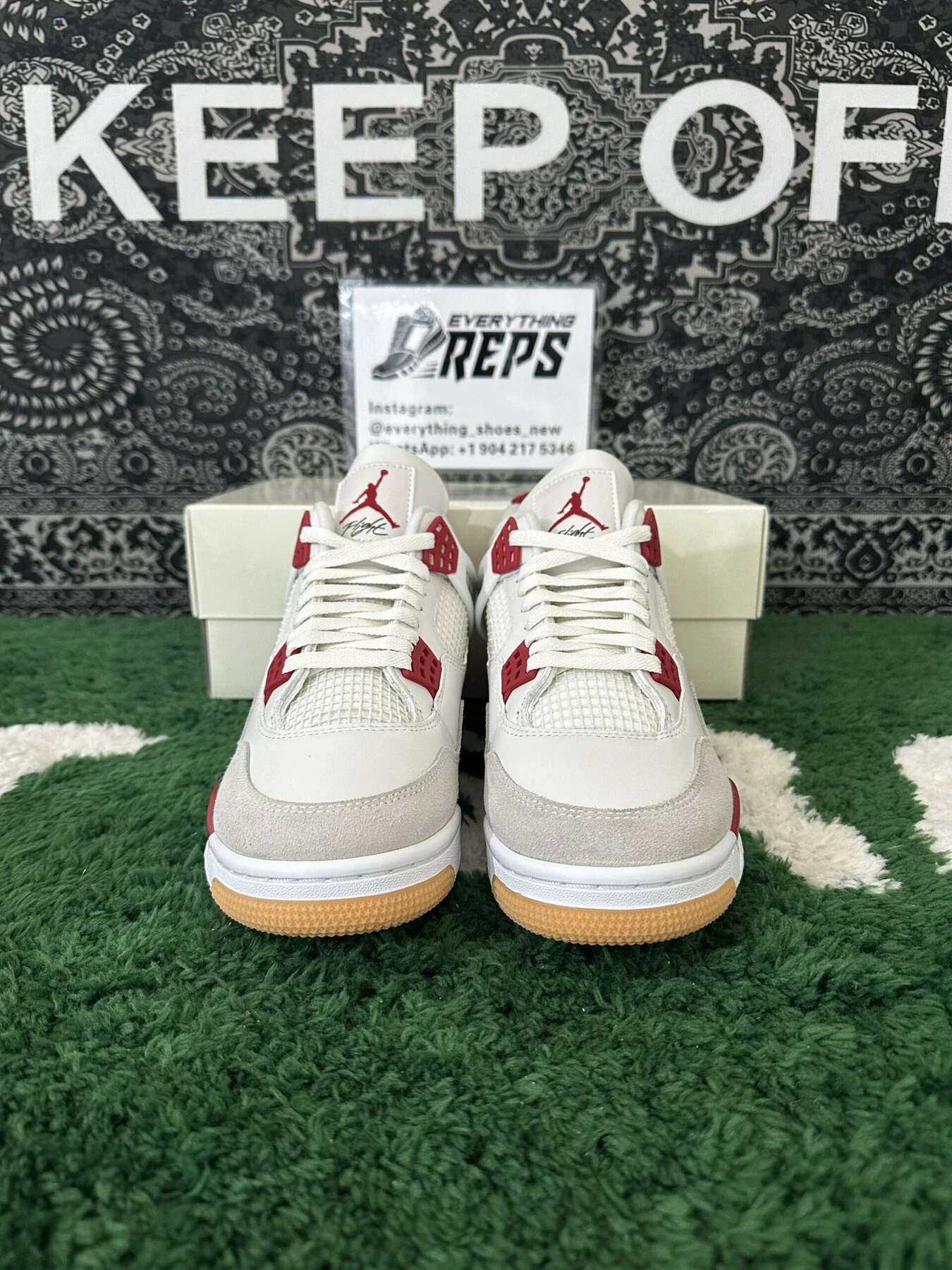
The shoe is a deconstructed take on the Jordan 4, with an exposed foam tongue, translucent wings and netting, AIR branding on the midsole and heel, and the signature zip tie. Two colorways matter most in the US market, Sail and Bred, and buyers ask for them by name. Know which one you are quoting before you set a price.
Fit runs like a standard Jordan 4: true to size for most people, slightly narrow through the midfoot, with wide-footed customers often going up a half size. Point buyers to the official size chart instead of guessing, and remember that worn pairs are nearly impossible to resell at full value. Creasing on the nubuck and yellowing on the translucent panels are the two condition issues that cost you the most.
Authenticity Checks That Hold Up
Every pair of the Air Jordan Retro 4 x Off White you are offered deserves the same treatment, whether it comes from a platform with in-house authentication or a supplier you have known for years. Replicas on this model are good enough that photos alone rarely settle it. Start with the box label, move to materials, then finish with the accessories.
Box labels on this release have specific font weight and spacing that most counterfeiters get slightly wrong. Look at the size run printing, the color code line, and how the label sits inside the lid. A label that peels off cleanly or sits crooked is a warning rather than proof, but it should trigger a longer chain of checks.
Stitching across the upper should be consistent in spacing, and the exposed foam at the tongue should feel dense rather than spongy. The zip tie and the spare laces with printed text are the two accessories most often missing or wrong on fakes. If a supplier sends one blurry photo of one shoe, ask for tagged shots of both shoes, both size tags, the box label, and the accessories in a single frame.
For anything above a few hundred dollars a pair, pay for professional authentication or a third-party legit check. The fee is small against the loss on a bad lot. Keep the authentication record with the sale in case a customer disputes it later.
Cost Bands, MOQs, and Where the Margin Actually Comes From
Retail on this model is long gone as a reference point. Your numbers come from current sold comps, not asking prices, and you want several weeks of comps before committing to a bulk buy. Because the Air Jordan Retro 4 x Off White trades well above its original retail, the gap between a legitimate cost and a quote that looks too good is where most losses happen.
Most suppliers of this model quote in single pairs or small lots rather than pallets. If someone offers hundreds of units, ask where the inventory came from and get the answer in writing. Here is how the common channels compare on availability, cost, and risk.
| Channel | What you can realistically get | Cost vs. current comps | Risk |
|---|---|---|---|
| Reputable resale or consignment platform | Single pairs to small lots | At or slightly below comps, before fees | Low to medium |
| Trade-ins and collection buys | Mixed sizes, uneven condition | Often below comps | Medium, depends on your own inspection |
| Closeout and liquidation lists | Rare, usually odd sizes | Well below comps | High |
| Overseas factory or agent contacts | Always available, any quantity | Far below comps | Very high, assume counterfeit until proven |
The bands above are directional only. Confirm current comps and exact unit costs with each supplier before you commit to an order.
A Supplier Screening Checklist
Run every new contact through the same sequence, and do not skip steps because the price looks right. The point is to learn how a supplier behaves before money moves, not after.
- Ask for provenance in writing: where the pairs came from, when they were acquired, and in what quantity.
- Request tagged photos of both shoes, both size tags, the box labels, and every accessory in one frame.
- Match the colorway name and size run against live sold comps before you price anything.
- Start with one or two pairs and pay with a method that offers recourse.
- Get inspection and return terms in writing, including who covers return shipping.
- Call two references from other US shops that bought this model or a similar collab.
- Confirm landed cost with a customs broker before you scale the order.
Suppliers who answer slowly, dodge the provenance question, or push you toward wire transfer are telling you something. Before you commit to a full size run of the Air Jordan Retro 4 x Off White, ask for two verifiable US references and check them by phone. There is always another lot.
Shipping, Duties, and Payment Terms
Footwear imports carry duties that depend on material and country of origin, and tariff treatment on China-origin goods has shifted repeatedly in recent years. Do not take a supplier's word on landed cost. Ask a licensed customs broker to classify the shoe and quote the duty before you sign anything.
On payment, use methods with recourse for first orders with any new vendor. Credit cards and escrow services cost a little and protect a lot, and they keep the chargeback window open if a lot turns out to be counterfeit. For repeat orders, a written inspection clause plus third-party QC photos before shipment are worth the fee.
Questions Buyers Ask Most
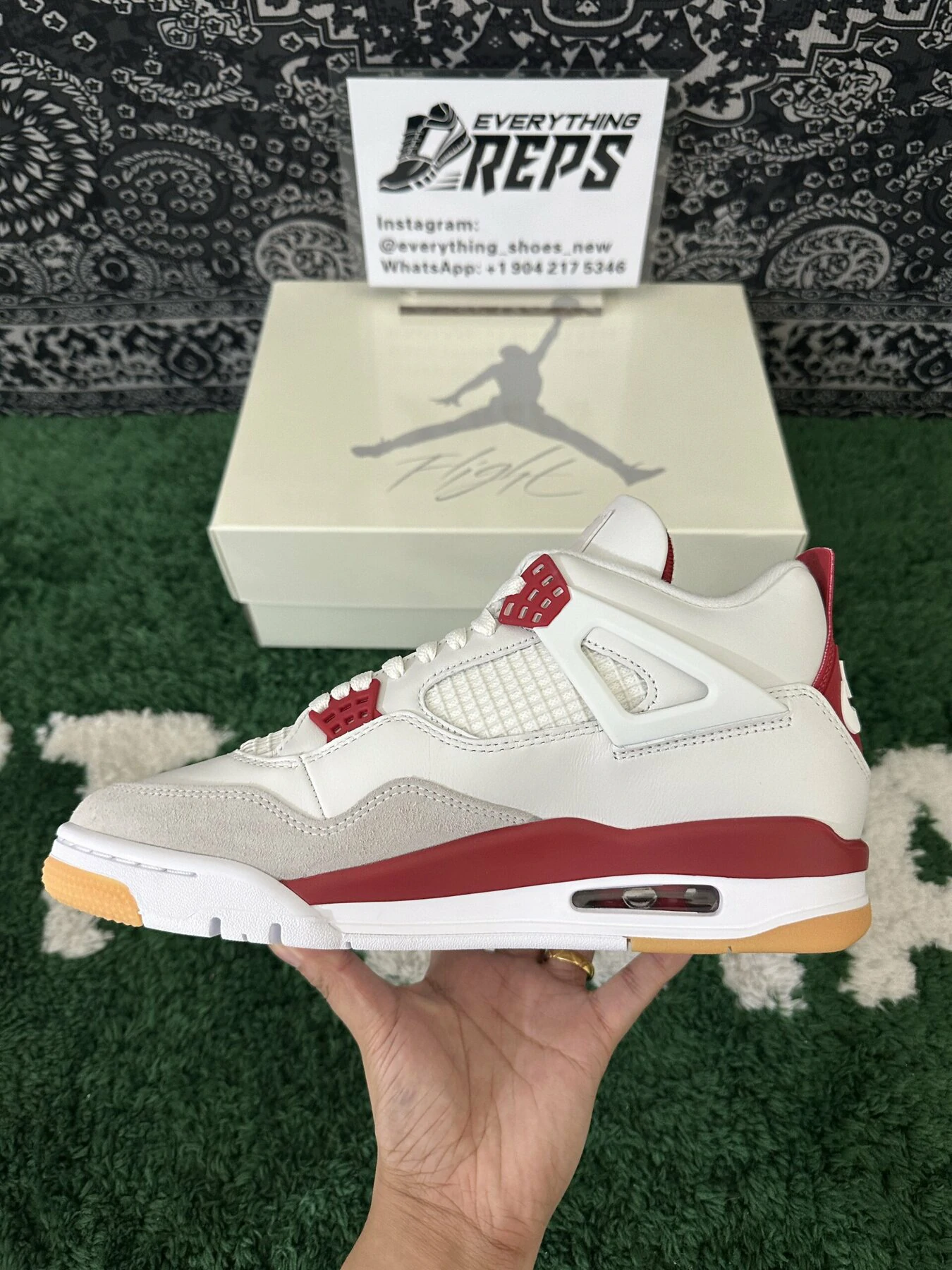
Can a US shop buy this model at wholesale?
Not through an official channel. Collaboration releases of this type go to select retail doors and raffles, so independent shops source them from resale, consignment, or trade-ins. Any authorized distributor claiming allocation of this shoe should be verified in writing before you send a deposit. Expect to pay near current sold comps plus authentication and shipping, and confirm every number with the supplier.
What size run should I stock?
US 8 to 11 moves fastest in most Jordan 4 collaborations, with 9 and 10 turning over quickest at many shops. Sizes 12 and up sit longer unless you have a local buyer base for them. Buy deep in the middle of the run and shallow at the edges, and check your own sell-through history before copying another store's buy.
Do these run true to size?
They fit like a standard Jordan 4, which is true to size for most wearers and slightly snug through the midfoot. Wide-footed customers usually prefer a half size up. Use the official size chart as your reference and let buyers try pairs on when you can, since worn pairs lose resale value fast.
How much margin should I target?
It depends on your channel and how long you can hold inventory. Consignment and trade-in stock carries wider margins because your cost basis is lower. Pairs bought at full resale comps leave thin room, so put authentication, shipping, and payment fees inside your number before you list. Verify comps weekly.
If you are building a buy list that includes the Air Jordan Retro 4 x Off White, send your target sizes, colorway, and quantity, and we will come back with availability and current cost bands. Include your authentication and inspection requirements in the first message so the quote reflects them.