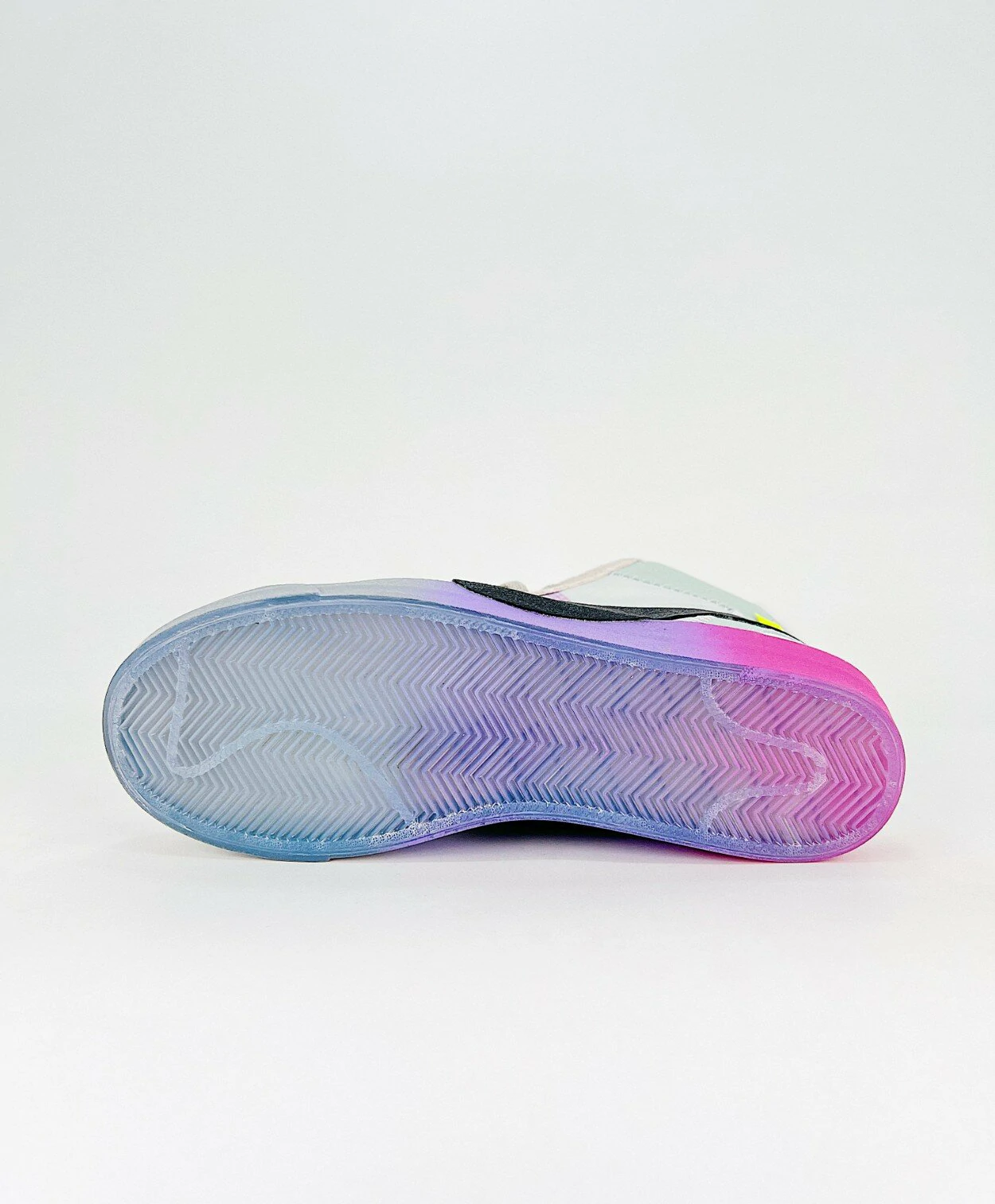
Short answer: nike testing Shoes are not one product. The phrase covers Wear-Test pairs sent to athletes and consumer testers, sample-room builds made to check materials and stitching, and factory test runs that never reach a retail shelf. What matters for a Store owner or an online seller is whether a specific lot is worth the money.
This guide covers where those lots come from, how to grade condition before you pay, and how to price them so the margin survives shipping and returns. It also flags the paperwork gaps that turn a cheap lot into an expensive one.
What the Phrase Covers at the Source
Three different products travel under this label, and they grade out very differently. Wear-test pairs go to runners, hoopers, and consumer panelists for weeks of real use, then come back with feedback cards and worn outsoles. Sample-room builds are made before production to approve materials, color blocking, and stitch lines.
Factory test runs sit in between. A plant pulls a short batch to dial in a mold, a glue line, or midsole density, and those pairs usually leave without retail packaging. Buyers who treat all three as one category tend to overpay for the weakest part of the load.
Where the Lots Come From
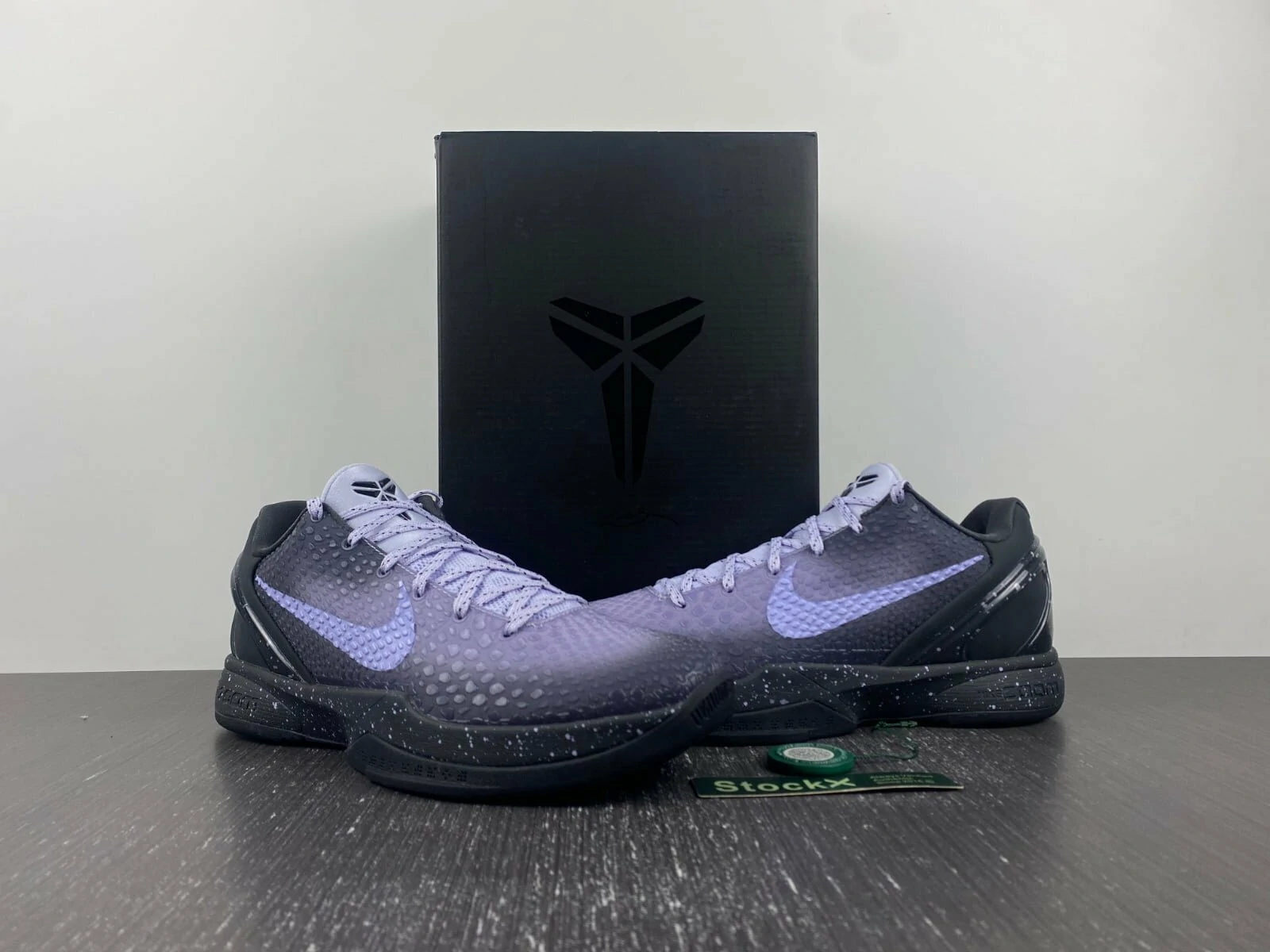
Most nike testing shoes reach the secondary market through employee sales, sample-room clearouts, and mixed liquidation loads. Each channel leaves different fingerprints on the pairs, which is why a photo set alone is never enough to grade a lot.
Employee sales usually produce single pairs in scattered sizes. Sample-room clearouts arrive in size runs but often with tags removed and no box. Mixed liquidation is the cheapest per pair and the least predictable, because both the size curve and the defect rate stay unknown until you open the cartons.
| Source | Typical condition | Best fit for | Main risk |
|---|---|---|---|
| Wear-test returns | Used, 7–9 out of 10 | Value racks, content shoots | Uneven sizes, worn outsoles |
| Sample-room builds | New, no box or tags | Display, collector resale | Broken size runs, missing labels |
| Factory test and SMU runs | New, packaging varies | Bulk resale, outlet channels | Mixed quality, thin provenance |
| Mixed liquidation | Used, 5–8 out of 10 | Cheap volume buying | Hidden defects, no size curve |
Ask for the size curve before you ask for the price. A clean run in US 8 to 12 sells itself, while a bag of US 6.5 and US 13 samples does not. If the seller cannot produce a curve, treat the load as near-scrap and negotiate from there.
Grading a Lot Before You Pay
Condition inside one lot is rarely uniform. One pair may be a display sample with zero wear, and the next may carry 40 miles of pavement testing on the outsole. Grade pair by pair, then average the whole load.
When you inspect nike testing shoes in person, work through the checks below in order. Anything that fails the first two items usually means the rest of the lot deserves a much closer look before money changes hands.
- Outsole wear: start at the heel edge and the forefoot pivot point.
- Midsole compression: press the foam, and note creasing that stays put.
- Upper integrity: check toe box crease depth and how much the collar has stretched.
- Stitching and glue: factory test pairs can carry uneven glue lines, so decide in advance if that reads as a defect or a variant.
- Labels: size tags, style codes, and production dates should be consistent across the lot.
- Packaging: box condition matters to collectors and barely matters to players.
Photograph every pair you reject and keep those images with the invoice. Condition disputes move faster when you can show the exact pair, the exact flaw, and the date you flagged it.
Fit, Sizing, and Margin Math
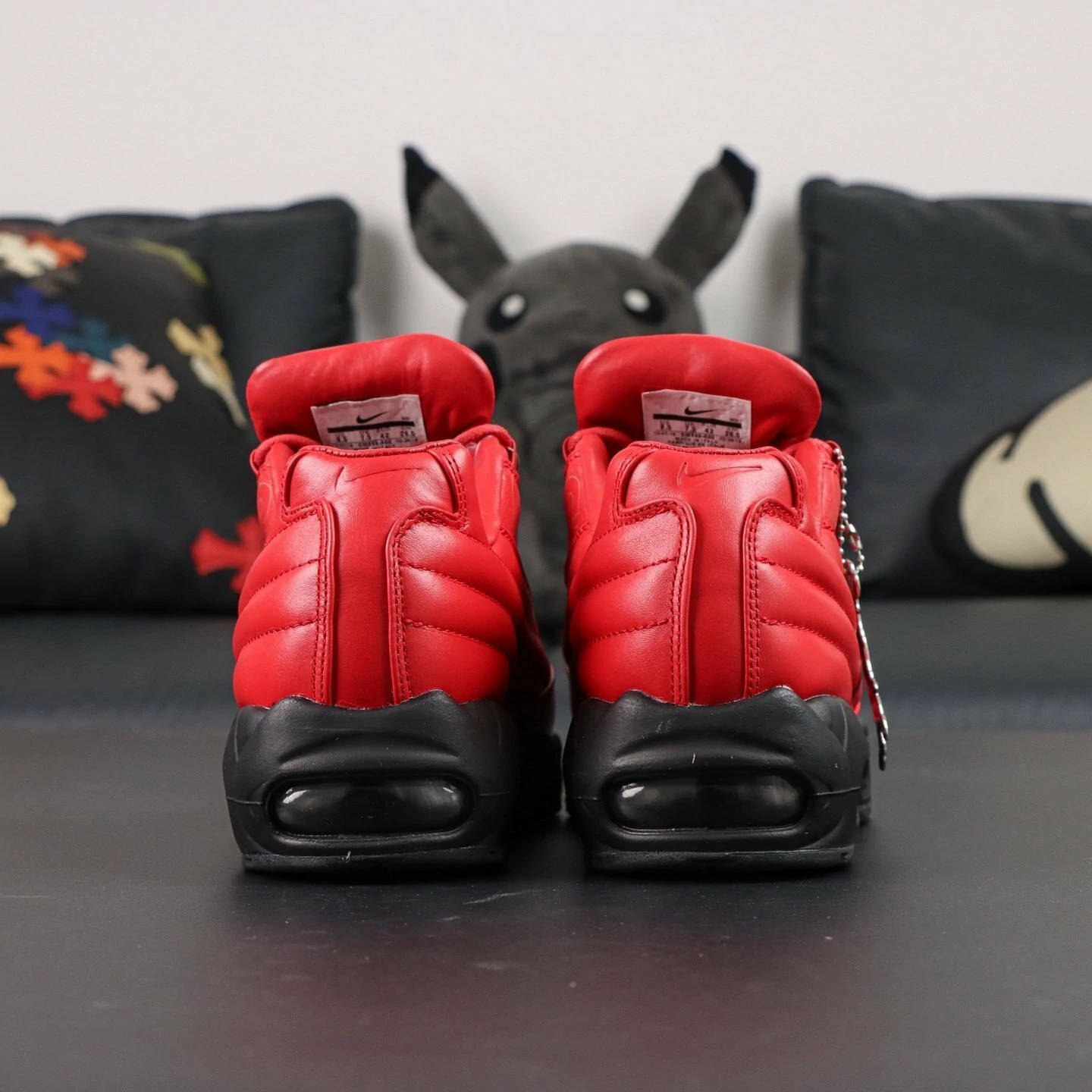
Sizing on nike testing shoes skews toward whatever the test panel needed, not toward retail demand. Men's US 9 and 10 dominate sample rooms, which means a lot that looks balanced on paper can be thin exactly where your walk-in customers shop.
Fit usually matches the production version, since the last and upper pattern are the same. Exceptions exist: a test pair may use a different insole or a stiffer midsole, so try one pair from each style before you list the rest. Compare against the brand's official size chart rather than a remembered fit from two seasons ago.
Margin math is simple but easy to rush. Landed cost per pair equals the unit price plus inbound freight plus your labor for cleaning and photographing, divided by sellable pairs. A lot running a 20 percent defect rate needs a far lower unit price to return the same money as a clean lot.
Resale ranges for used test and sample pairs typically sit well under retail, though the spread is wide by model, size, and colorway. Treat any figure you hear as a starting point only, and confirm against your own recent sales before you commit.
Red Flags and Paperwork
Provenance claims are where most deals fall apart. A supplier who says the pairs came straight from the factory, with no purchase record, invoice trail, or named consolidator, is asking you to carry the risk for them. Ask how they sourced the nike testing shoes and get the answer in writing.
Watch for lots with missing size tags, mismatched style codes, or boxes that do not match the shoes inside. Those details matter later when a customer asks about authenticity, and no honest supplier minds the question. Genuine seconds and test stock usually come with a plain explanation attached.
Duties, customs classification, and labeling rules get handled case by case. Confirm the details with a licensed customs broker before you commit to a pallet or container, and do not rely on a supplier's summary of US requirements.
Cheap pairs are not the problem. Cheap pairs with no paper trail are.
FAQ
Are test pairs legal to resell in the US?
Reselling nike testing shoes is generally lawful when the pairs were obtained through legitimate channels, but the rules around trademarks, labeling, and imports are specific. Keep invoices and sourcing records for every lot, and check with a customs broker or an attorney if a load's origin is unclear.
Do test pairs come in full size runs?
Rarely. Wear-test stock arrives in whatever sizes the panel wore, and sample rooms cluster around US 9 and 10. Ask for a written size breakdown before pricing, and assume any run you cannot see is incomplete.
How do I check authenticity on a sample pair?
Compare the style code, size tag, and production date against the brand's official records, then look at stitch density, glue neatness, and midsole shape. Sample pairs can differ from retail in small ways, so get a second opinion from a professional authentication service before listing high-value pairs.
What should I confirm before sending a deposit?
Get the size curve, the defect policy, the minimum order quantity, and the shipping terms in writing. Photograph the load at pickup if you can, and never wire funds to an account that does not match the company name on the invoice.
If you are putting together a test and sample program for your store, start with one small lot, a written condition report, and a landing cost you can defend. Send over your size curve and target cost per pair, and our team will tell you which lots are realistic and which ones to pass on.