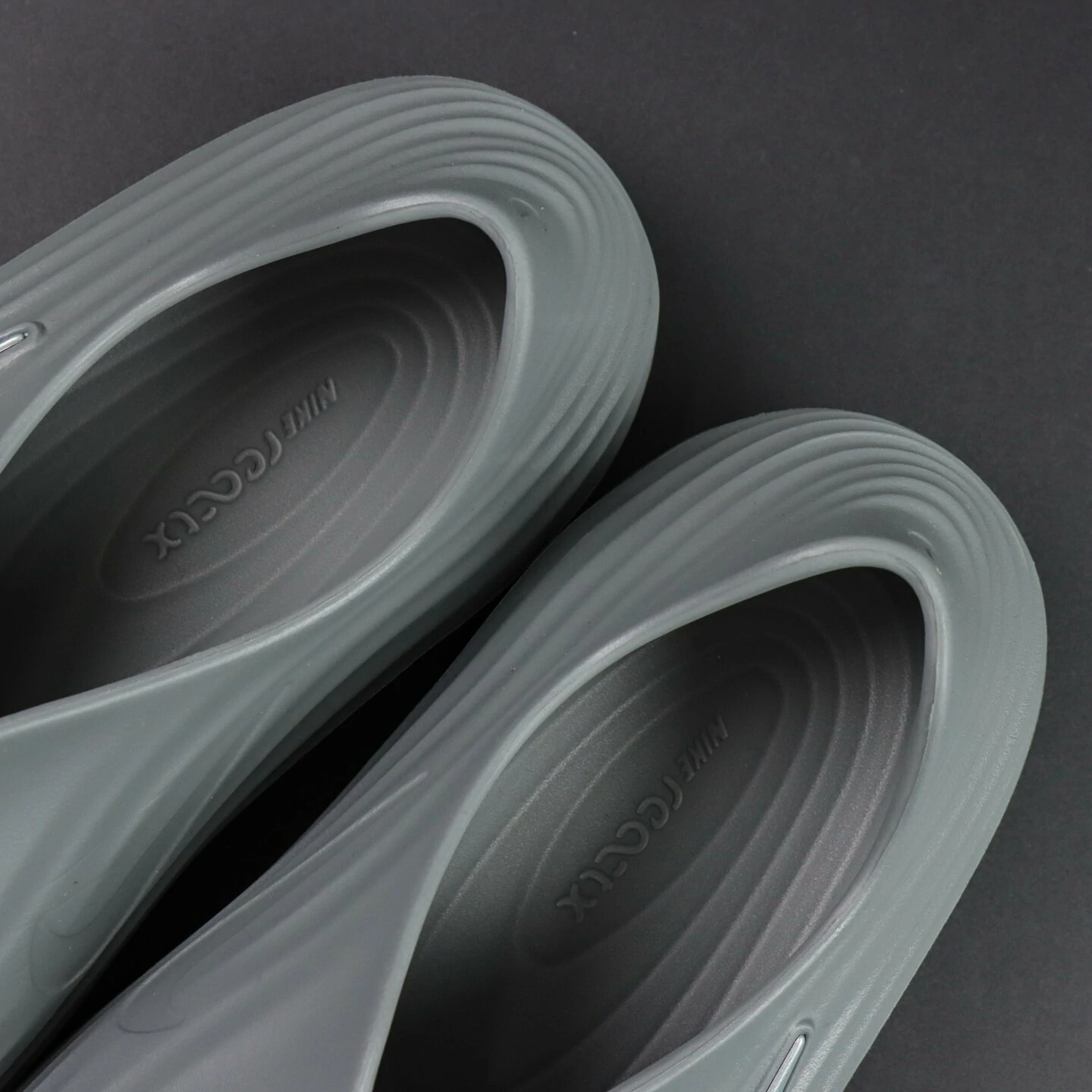
The Nike Air Max 95 OG All Black is a triple-black build of the 1995 runner: black layered upper, black midsole, black outsole. Most shoppers searching it want a colorway that sells without a styling conversation. For a shop, that usually means steady core-size turnover instead of a launch-week spike.
What follows is a buyer's view of the shoe. It covers what OG actually means in a listing, how the fit runs, which wear points drive returns, and how to plan Depth and vet a supplier before you wire money.
What OG Signals in a Triple-Black Listing
In most product listings, OG refers to original-style tooling and the layered upper, not a claim about the 1995 debut lineup. Triple black is a staple general-release colorway rather than one of the launch makeups. That distinction matters the moment a customer asks whether a pair is "the OG."
The silhouette itself is consistent: wavy side panels, visible Air units in heel and forefoot, and a thick sole unit. An all-black finish flattens the panel breakup that makes the model recognizable in brighter colorways. Some customers read that as cleaner. Others read it as flat on the shelf.
Naming matters for your own listings too. Shoppers search triple black and all black and expect the same shoe, so use one consistent product title and keep the colorway description short. Put size and fit details in structured fields rather than cramming them into the title string.
Fit and Sizing Notes for the Sales Floor
Most shoppers take their usual Nike size here. Wide-footed customers often prefer a half size up, and the midfoot is snug enough that heavy socks change the feel. Keeping a half-size run in core sizes converts more walk-in traffic than stocking only full sizes.
Fit questions are the most common reason a sale stalls. Have a short answer ready and a printed size chart near the register, pulled from the official Nike size guide rather than from memory. Customers asking about the Nike Air Max 95 OG All Black almost always ask about break-in time as well, so mention that the layered upper loosens slightly after a week of wear.
Women buying men's sizing typically go about 1.5 sizes down, which is the standard Nike conversion. Put that line on the product page so it surfaces for women's searches too.
Build Quality and Wear Points That Drive Returns
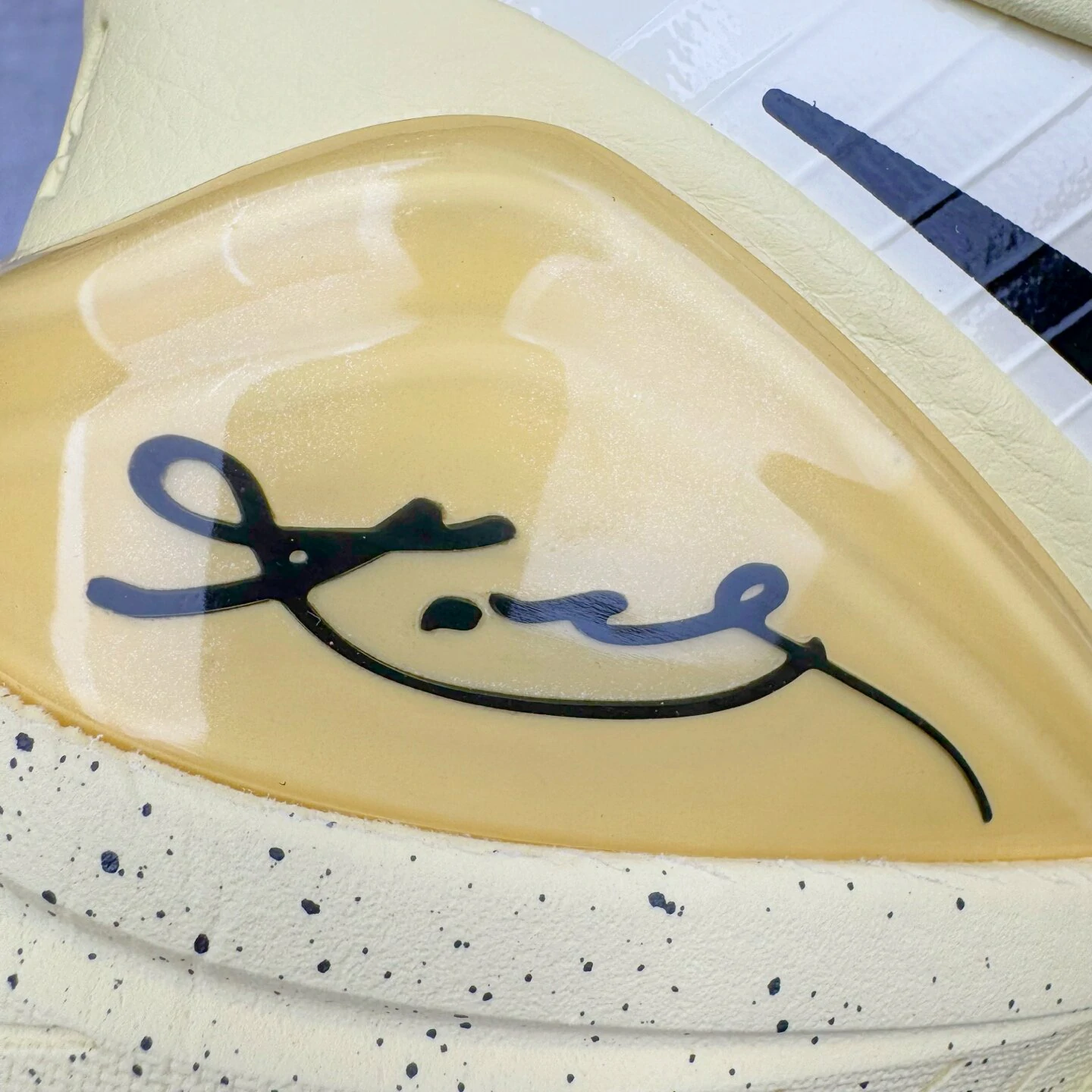
Expect layered synthetic nubuck or leather overlays over mesh, a polyurethane midsole, and a rubber outsole with a visible Air window. On the Nike Air Max 95 OG All Black, scuffs show along the toe bumper and heel counter because the finish is uniform, so any abrasion reveals a lighter layer underneath. Say that up front and fewer pairs come back.
Midsole paint cracking at the flex point is the other common complaint. It is cosmetic and normal on a PU midsole, but it looks like a defect to a first-time buyer. A short care note, soft brush, no machine washing, no soaking, prevents most of the angry messages.
Storage matters for any shop holding older stock. Polyurethane midsoles degrade over years in heat and humidity, and pairs kept in a hot back room can start to crumble at the flex point. Rotate older inventory first and keep the stockroom dry.
Stock Depth, Size Curve, and Margin Logic
Treat the Nike Air Max 95 OG All Black as a core replenishment item, not a drop. General-release Air Max colorways sell on turnover and repeat purchase, so the goal is staying in stock in the sizes that actually move rather than chasing a markup. Depth in a narrow size band beats one pair in every size.
| US men's size | Typical share of demand | Fit feedback | Suggested opening depth |
|---|---|---|---|
| 8-9 | Moderate | True to size; some go up a half | 2 to 3 pairs per size |
| 9.5-10.5 | Highest | True to size for most | 3 to 4 pairs per size |
| 11-12 | Solid | Snug midfoot, half size up is common | 2 to 3 pairs per size |
| 13-15 | Low but steady | Wide feet often need a full size up | 1 to 2 pairs per size |
Use those numbers as a planning baseline only, not a forecast. Demand skews by region, by nearby schools and workplaces, and by whether you sell online. Pull your own sold units from the last 90 days and adjust the curve.
All-black pairs are hard to photograph. Flat lighting turns the layered upper into a dark blob, and customers cannot see the panel structure they are paying for. Side lighting against a light gray backdrop lifts the texture and reduces returns from buyers who expected more definition.
On margin, ask for the current MSRP sheet and the landed cost per pair with freight and duties included. General-release Air Max pairs usually leave a thinner spread than limited colorways, so volume and sell-through speed matter more than the headline discount. Duty rates and clearance treatment vary by origin and shipment terms, so confirm the numbers with a customs broker before you price the order.
Vetting Suppliers and Catching Bad Pairs
Wholesale listings for this model are everywhere, and the quality of what ships varies widely. The cheapest quote is usually the one with no written authenticity terms. Spend your diligence on the supplier before you spend it on the discount.
- Ask for a written authenticity guarantee and a return path for pairs that fail authentication.
- Request dated in-hand photos of the actual lot: size tag, box label, heel Air unit, outsole, and tongue label.
- Confirm in-stock versus pre-order status, and get the lead time in writing.
- Ask for a size breakdown, not just a total unit count.
- Get shipping terms in writing and confirm who pays duties and brokerage.
- Run a small test order before committing to a pallet or a full production run.
When pairs arrive, check stitch density along the side panels, glue smell, the clarity of the Air window, and print quality on the tongue and insole. Compare the size tag font against a pair you know is legitimate. If the price sits far under every other quote, assume there is a reason and send a sample to a professional authentication service.
Payment terms tell you a lot. A supplier who wants full payment up front on a first order and refuses a sample purchase is a risk, no matter how good the photos look. Practice varies by source, but a deposit with the balance due on delivery or against documents is common enough to ask about.
Questions Buyers Ask Before Ordering
Does the Air Max 95 run true to size?
Most buyers take their normal Nike size. Narrow feet stay true; wide feet often go up a half size. The upper has some give after break-in, so do not size down for a snugger feel. Check the official size chart before publishing a recommendation on your storefront.
Is triple black a safe colorway for a small shop?
It is one of the easier Air Max 95 makeups to sell through because it matches everything and does not depend on a trend cycle. The tradeoff is availability: competitors can stock it just as easily, so you compete on size coverage, service, and shipping speed rather than exclusivity.
How do I verify a bulk lot before paying?
Start with in-hand photos of the specific lot, then buy one or two pairs as a sample. Send that sample to a professional authentication service if the supplier is new to you. Scale only after the sample passes and the supplier puts return terms for failed pairs in writing.
Why does old stock sometimes crumble?
Polyurethane midsoles break down over time, especially in heat and humidity. A pair stored in a warm warehouse for years can crack or crumble at the flex point shortly after it is first worn. Ask for production dates and avoid lots with long storage histories.
Where should a first order start?
Small. One size run in your two best-selling size bands tells you more than a pallet of mixed sizes. Wholesale availability for the Nike Air Max 95 OG All Black shifts with production cycles, so confirm what is in stock now versus what ships later, and keep the first order small enough to absorb a mistake.
Planning a restock? Send your size curve and target landed cost, and we will reply with current availability, our written authenticity terms, and shipping details in plain language.