The Jordan retro 4 fear price is not one fixed number, and any supplier who quotes it as if it were deserves a second look. For a US shop, the useful question is what a specific size run will cost landed, what it will sell for in your market, and how much risk sits between those two figures. This article covers the cost drivers, channel tradeoffs, and verification steps that matter when you buy for resale.
Start with the shoe, not the quote. The Fear colorway is a dark, neutral Jordan 4 that appeals to buyers who want an easy-to-wear pair. That broad appeal helps sell-through, but it also attracts fakes and stale inventory. Your job is to separate a clean, sellable pair from a cheap pair with a hidden problem.
What This Colorway Means for Buyers
Neutral colorways usually move across more outfits and more customer types than loud exclusives. A black and grey Jordan 4 can sit in a store’s rotation without needing a story. For a buyer, that means demand is often steadier, but the margin may be thinner because more sellers compete for the same customer.
Size distribution matters more than a single headline cost. US 9 to 11 often carries the most demand, while very small and very large sizes can sit. If a supplier offers a blended run, ask for the exact breakdown. A low average cost is not helpful if half the run is hard to sell.
Cost Drivers That Move Quotes
When you review the jordan retro 4 fear price, separate the shoe's Wholesale cost from your landed cost. The first number is what the seller wants for the goods. The second includes freight, insurance, payment fees, and any duties or brokerage that apply. A quote that looks cheap at the unit level can lose its edge after these items are added.
Condition and completeness also move the number. Deadstock pairs with original box, tissue, and accessories are easier to sell at a full price. Reboxed pairs, tried-on pairs, or pairs with box damage need a discount and a clear description. Ask for dated photos of the exact pair, not a stock image.
Payment terms change the real cost too. A supplier who wants full payment upfront shifts risk to you. A deposit with balance after inspection is safer, but not every seller offers it. Factor in the cost of tying up cash, returns, and unsold sizes before you decide a quote is workable.
Channel Comparison for Independent Shops
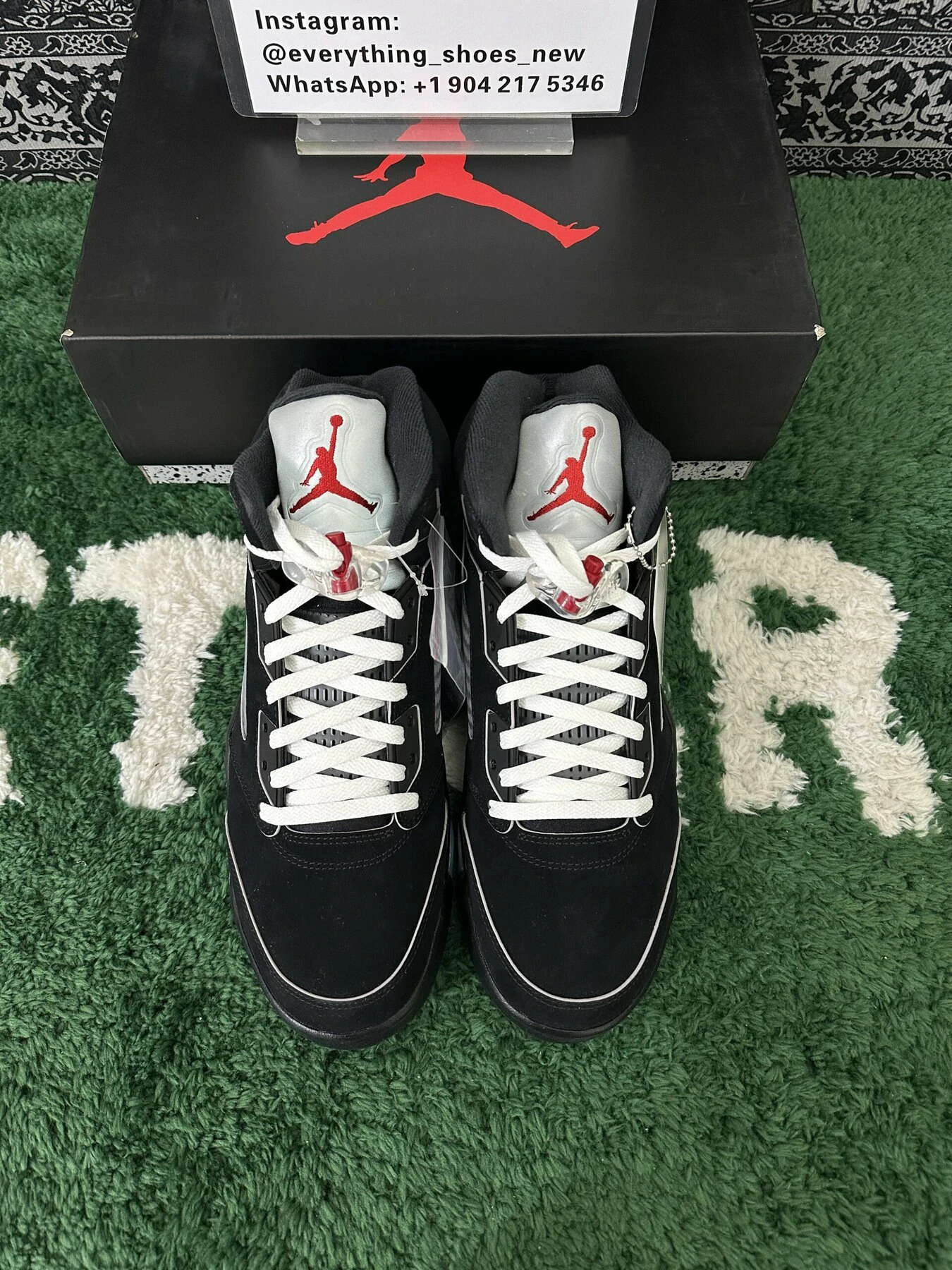
A useful jordan retro 4 fear price comparison starts with the source, not the sticker. Each channel solves a different problem: access, speed, breadth, or price. Most independent shops use more than one channel because no single source covers every size run.
| Source | What You Get | Price Position | Main Risk |
|---|---|---|---|
| Brand-authorized wholesale | Allocation, terms, and documented product | Lowest | Account limits and slow access |
| Distributor or wholesaler | Mixed brands, size runs, and faster fulfillment | Mid | Inconsistent authenticity and terms |
| Sneaker aftermarket | Specific pairs and sizes on demand | Market-driven | Condition checks and fake risk |
| Liquidation or pallet | Volume with little size control | Variable | Broken sizes and unknown history |
Use the table as a filter, not a promise. A low price position does not mean a better buy if the source cannot document provenance. A higher price can be correct when it comes with clean pairs, reliable sizing, and return support. The right channel depends on whether you need volume, margin, or a specific size.
A Practical Buying Checklist
Run every offer through the same checklist before you send money. This keeps a fast quote from turning into slow inventory. Adjust the thresholds to your store, but do not skip the steps.
- Confirm the exact model, colorway, and size run in writing. “Jordan 4 Fear” is not enough if the supplier may ship a different retro or a replica.
- Request dated photos of the actual pairs, including tags, box label, stitching, and sole. Stock photos do not prove the goods exist.
- Ask for the source history: retail, distributor, or liquidation. Vague answers are a warning sign.
- Get a landed cost quote that lists freight, insurance, and payment fees separately. Confirm who handles duties and brokerage.
- Check sold comps in your selling channel, not just asking prices. Active listings can make any price look normal.
- Start with a small test order or a single size run. Increase only after you inspect sell-through and condition.
Record the results. A simple sheet with supplier, date, cost, sizes, condition, and sell-through will tell you more after three orders than any sales pitch. It also gives you leverage when a supplier’s next quote drifts.
Red Flags and Verification
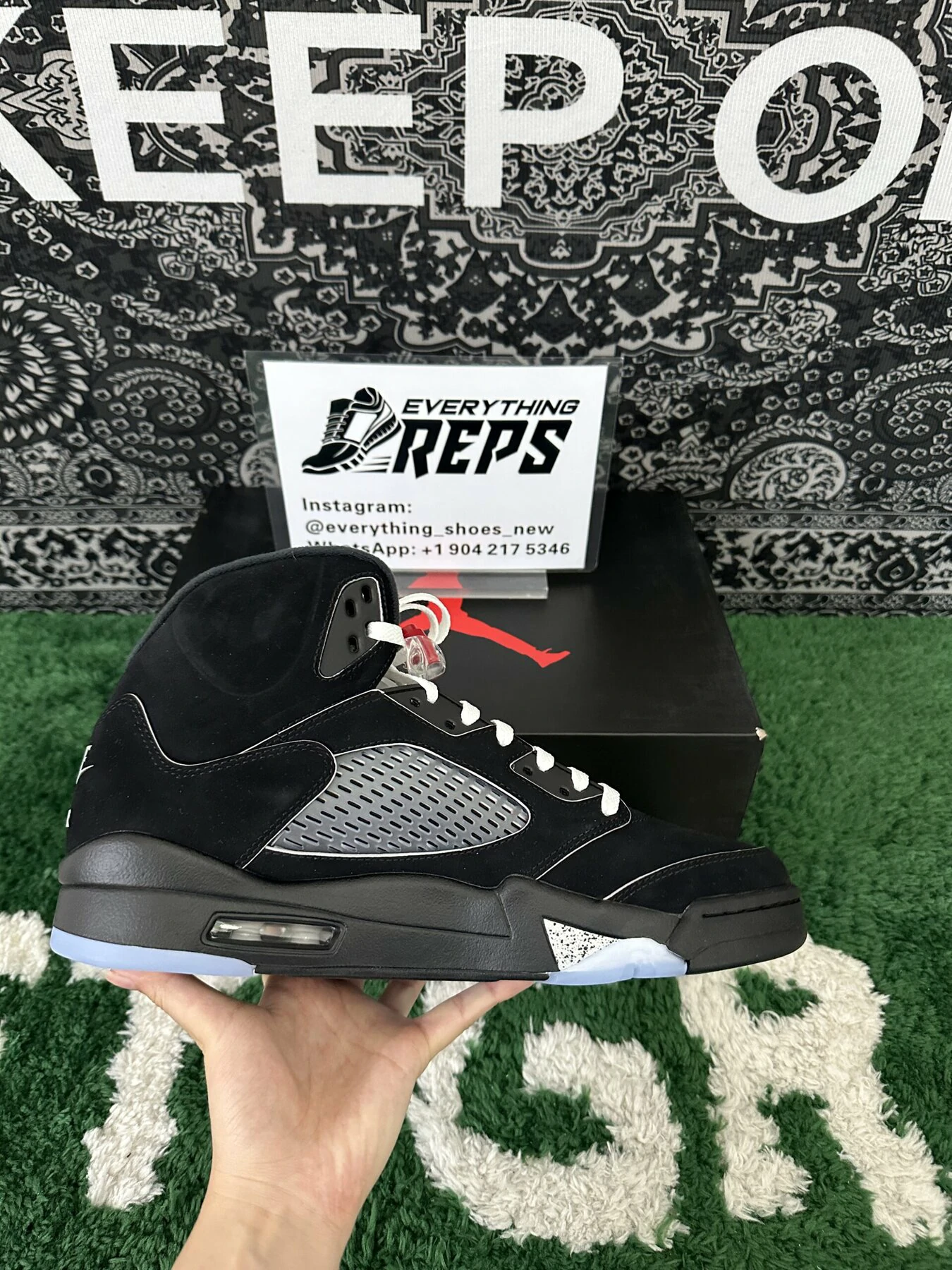
Fake Fear 4s and misdescribed pairs are common enough that verification should be routine. Check the overall shape, toe box, midsole paint, netting, tongue label, and box label. Compare against a known-authentic pair or a professional authentication service. No single detail proves authenticity, so use several checks together.
Be equally careful with paperwork. Invoices should name the model, size, quantity, unit cost, and terms. A supplier who will not put basic terms in writing is a credit risk. For imports, ask a licensed customs broker about classification, duties, and required documents; do not rely on a chat message as legal advice.
Also watch for pressure tactics: “today only,” “last run,” or a price that drops sharply when you hesitate. Scarcity can be real, but it is also a sales tool. Slow down when the deal depends on speed rather than evidence.
FAQ
Does the Fear 4 fit true to size?
Many buyers treat Jordan 4 retros as true to size, but fit can vary by release and personal preference. If you sell online, publish a clear size chart and note that customers should compare against a pair they already own. For wide feet, some buyers size up half a size. Check the official size guide before you promise a fit.
What should I inspect on a Fear 4 before a bulk purchase?
Inspect the toe box shape, netting, tongue label, midsole paint, stitching, insole, and box label. Ask for dated photos of each size or a live video call for larger orders. Compare several details against a known-authentic pair. If the seller cannot provide clear images, treat the offer as unverified and price the risk accordingly.
How do I estimate resale price without misleading comps?
Use sold listings from the platform where you plan to sell, then filter by size, condition, and completeness. Ignore active listings that may never sell. Look at the number of sales over the past 30 to 90 days, not one outlier. Keep a conservative margin for fees, shipping, returns, and slow sizes. Confirm current numbers yourself.
Should I buy a full size run or test specific sizes?
Test first unless you already know demand in your market. A small order across US 8 to 11 can show which sizes move and which sit. Full runs only make sense when you have steady customers for the edges. Ask for a size breakdown before you agree to a blended lot, and confirm whether substitutions are allowed.
Send your size run, target margin, and the jordan retro 4 fear price range you need to hit, and ask for a landed cost quote with photos, terms, and available sizes. A clear request gets a useful answer faster than a one-line “best price” message.