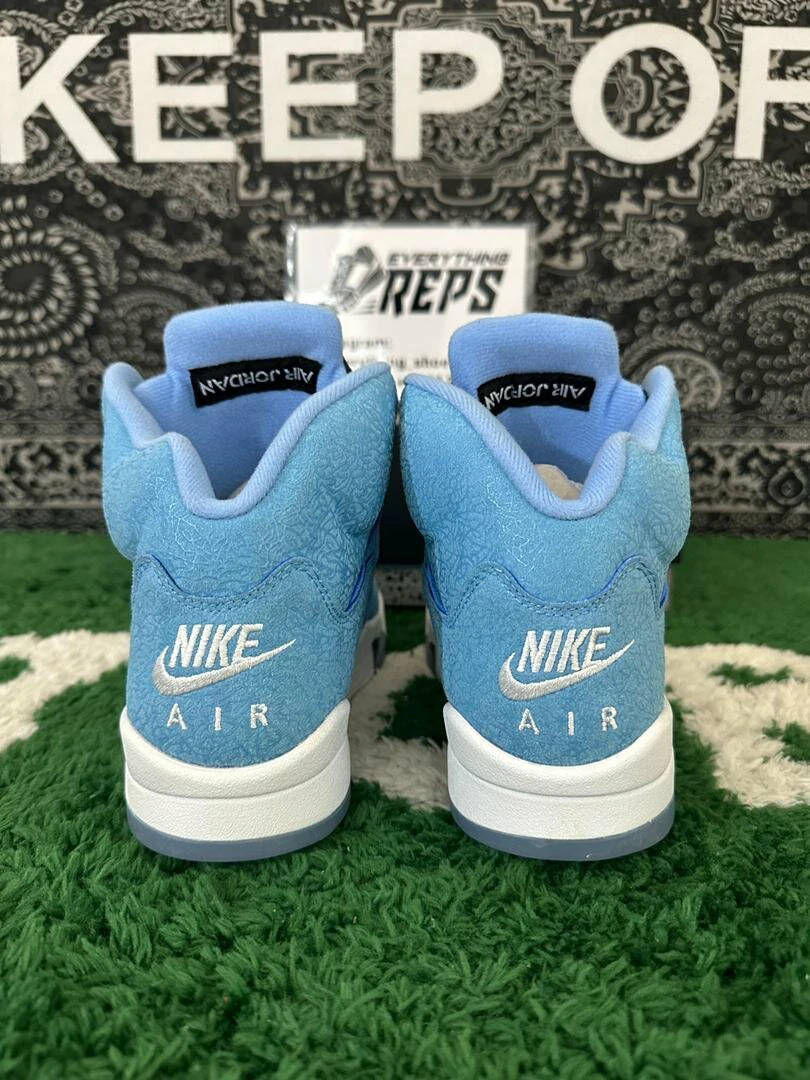
Boys Air Jordan retro 4 pairs move because the shape is instantly readable and the size run reaches kids who outgrow shoes every few months. That is the simple reason. The practical reason is that this model has quirks in sizing, materials, and colorway timing that decide whether it turns on your shelf or sits in back stock.
What follows is a buyer's checklist for independent shops and online sellers: how the kids' build differs from the men's version, which sizes to commit to, how to read a colorway calendar, and where authenticity problems usually show up.
Where the Kids Build Differs From the Men's Pair
The Air Jordan 4 landed in 1989 with visible Air in the heel, plastic support wings, and a mesh quarter panel. The boys Air Jordan Retro 4 keeps that recipe but scales it down, and the scaling is not just a matter of smaller lasts. Grade school pairs usually carry less internal padding, a thinner insole, and slightly simplified tooling around the midsole.
Sizing tiers matter more than most new buyers expect. Nike's kids' convention runs roughly 2C to 10C for toddler, 10.5C to 3Y for preschool, and 3.5Y to 7Y for grade school, with the men's run starting at 7. Confirm all of it against the current official size chart, because ranges shift between seasons and between Colorways.
For resale, that means three separate SKUs of the same shoe that are not interchangeable. A parent who needs a 2Y cannot use a 3.5Y, and a store that only stocks grade school will lose the preschool sale to whoever has it that week.
Fit Notes That Cut Down on Returns
Fit on the Retro 4 runs close to true to size for most kids, with a midfoot that feels a little snug because of the plastic wings and the lace structure. Wide feet notice it first. If a parent is between sizes, a half size up is the safer call for a kid who is still growing.
The bigger return driver is tier confusion, not length. Shoppers search a number, land on a listing, and buy without checking whether the label says C, Y, or the men's run. Put the tier in the title, the description, and the size field so there is nothing to misread.
Break-in is short. Nubuck and suede soften within a week or two of daily wear, and the mesh panels ventilate well for a shoe with this much structure. What does not soften is the midsole paint on light colorways, which chips at the flex point. Set that expectation Before the sale.
A Size Run You Can Actually Sell
Kids' footwear sells in a different pattern than men's. The middle of the run moves first, the extremes sit, and the half sizes just above the middle point are usually gone before back-to-school.
| Size tier | Typical US range (confirm with the official chart) | Primary buyer | Stocking note |
|---|---|---|---|
| Toddler (TD) | 2C to 10C | Parents of one to three year olds | Shallow depth, one or two colorways only |
| Preschool (PS) | 10.5C to 3Y | Daycare and preschool age kids | Strong gift item in November and December |
| Grade school (GS) | 3.5Y to 7Y | Ages eight to twelve | Core of the boys Air Jordan Retro 4 business, buy deepest here |
| Men's crossover | 7 and up | Teens and adults in small sizes | The 7Y hinge overlaps both runs, split it with care |
Two Things stand out in that table. The 7Y is the hinge size, and whichever run you stock it in, someone will ask for the other. Second, the preschool tier is where gift buyers shop, so depth there is seasonal rather than year round.
Stocking Checklist Before You Commit
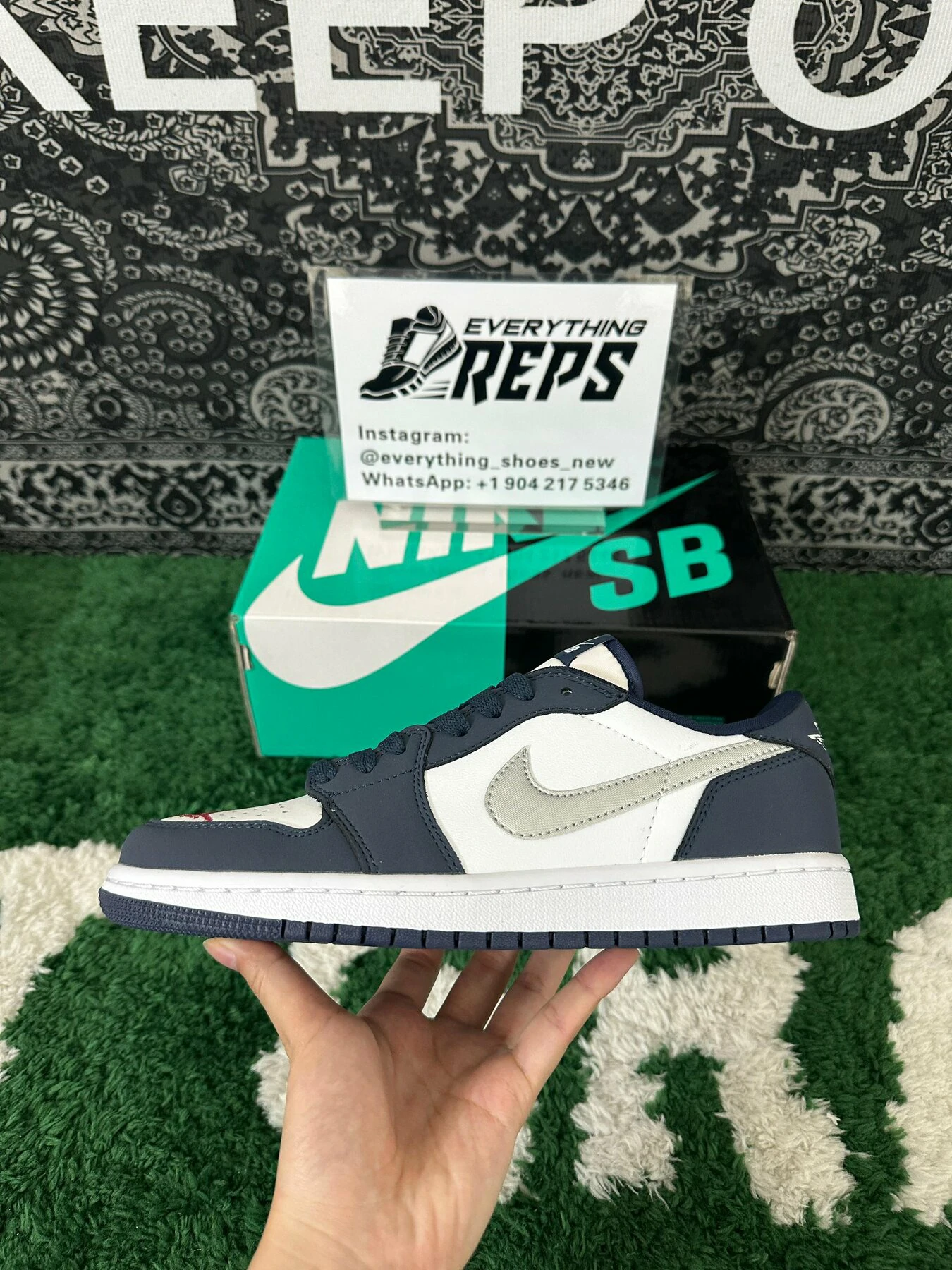
Run this list against any supplier quote or closeout offer. It takes ten minutes and saves an argument later.
- Confirm the size tier on every pair, not just the listing title; C, Y, and men's runs are separate products.
- Ask for a full size-run breakdown, not a total pair count.
- Check whether the quote covers one colorway or a mixed prepack.
- Request box label photos and match them to the size tag inside the shoe.
- Verify the production window; old stock in kids' sizes means dried adhesive and yellowed midsoles.
- Ask which colorways are current season and which are closeouts.
- Get the return policy in writing, especially for sizing errors.
- Sample one pair before committing to a full run.
Most disputes in kids' footwear come from the first two items. A quote for 60 pairs sounds fine until you learn it is eight pairs across seven sizes with two oddballs at the top. Boys Air Jordan Retro 4 buyers who ask for the breakdown up front tend to get better allocation on the sizes that matter.
Colorways, Timing, and Where the Money Sits
boys Air Jordan Retro 4 colorways arrive in waves, and kids' sizes are allocated in thinner depth than men's. The hot colorway is gone in GS before it dries up in men's, while the markdown colorway lingers longer in kids because parents buy what the kid points at, not what is on sale.
For an independent shop, two or three core colorways carried deep beats eight colorways carried shallow. Add one seasonal pair for the holiday window. Back-to-school in August and September is the demand spike to plan around, with a second bump from mid-November through December.
Sourcing, Margins, and Authenticity
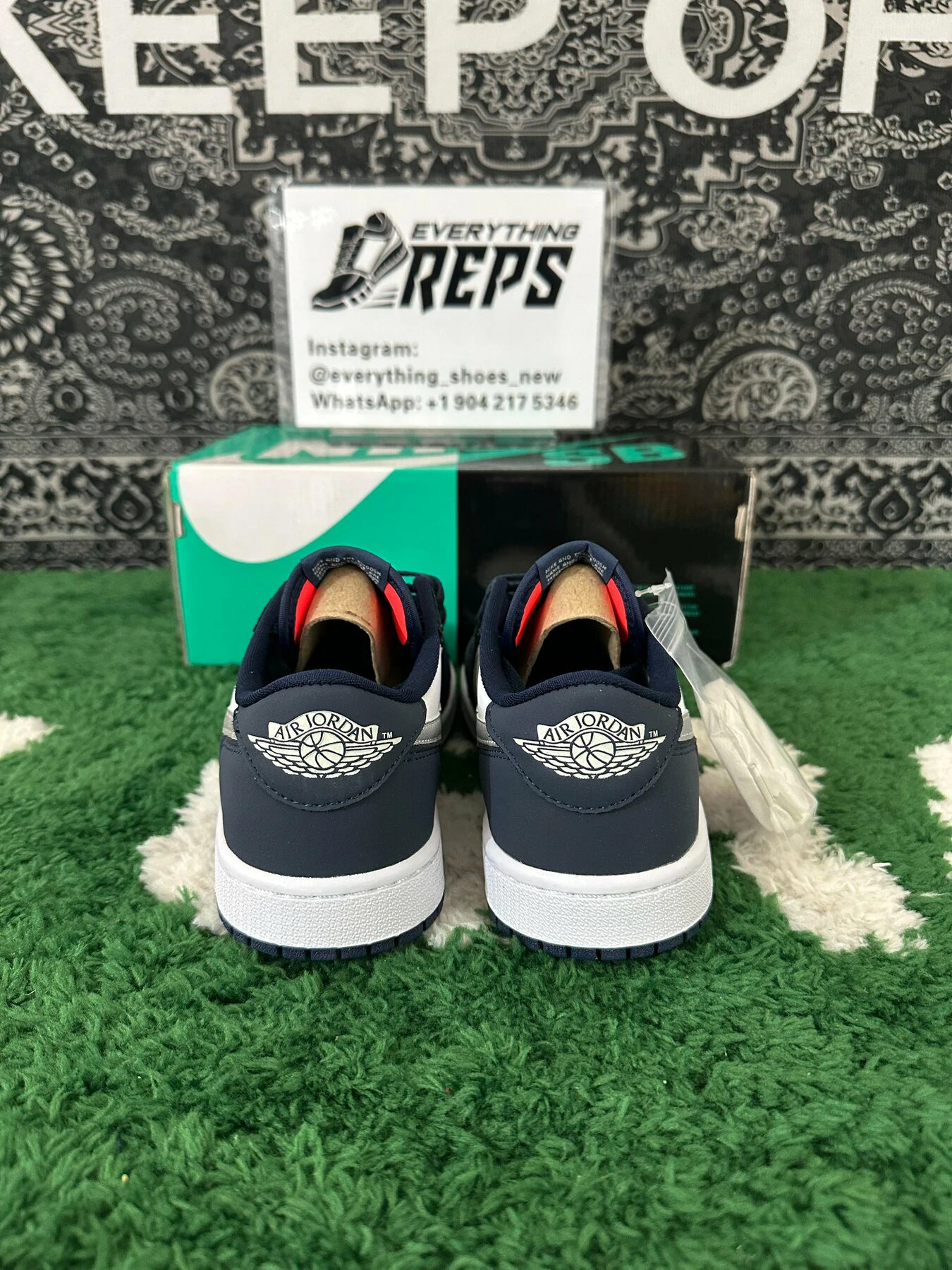
Authorized wholesale for Nike and Jordan product requires an account, and approval is not guaranteed for a small shop. Plenty of independents buy through licensed distributors, closeout lots, or the secondary market instead. Each channel carries a different cost structure, and kids' margins typically run thinner than men's because the retail price is lower while handling costs stay the same.
Price, minimums, and freight vary widely by channel and season. Treat any figure as a starting point and confirm it in writing with the supplier before you commit. Common wholesale structures quote per style with a minimum order in pairs, or in prepacked size runs; ask which one you are being quoted.
Authenticity is the other half of the job. On kids' pairs, check the size tag font and placement, stitching density on the wings, tongue label alignment, box label against the shoe, and overall weight. Grade school replicas often get the proportions right and the materials wrong. When a deal lands far below market, send a pair to a professional authentication service before you list it.
Frequently Asked Questions
Is the boys Air Jordan Retro 4 the same shoe as the men's version?
Same silhouette, different build. Grade school pairs follow the men's design but carry less padding, a thinner insole, and sometimes simpler tooling. Materials can vary by colorway as well. If a customer is comparing the two, send them to the official size chart and note that a 7Y and a men's 7 are not the same fit.
Which sizes should I stock deepest?
Grade school sizes from 4Y to 6Y usually turn fastest, with 5Y and 5.5Y the most requested. Keep the preschool tier lighter and treat toddler sizes as a gift-season buy. Ask your supplier for a size-run breakdown so you can see exactly what you are getting, then adjust after one full season of sell-through data.
Can I open a wholesale account for Jordan kids' shoes?
Nike runs an application process for authorized accounts, and approval depends on business history, storefront or e-commerce setup, and credit. Many independents buy from licensed distributors or closeout sellers instead. Confirm authentication terms, return policy, and stock age before the first order, and never assume a quote guarantees ongoing allocation.
How do I spot fake kids' Retro 4s?
Start with the size tag and box label. Fonts, spacing, and model code should match, and the label should line up with the shoe inside. Then check stitching density on the wings, tongue label alignment, midsole paint lines, and weight. Kids' replicas often look correct in photos, so use a professional authentication service on anything expensive.
Do kids' Retro 4s hold value?
Less than men's pairs, and the gap widens as sizes get smaller. Demand is real but the buyer pool is narrow, and kids outgrow shoes quickly, so used pairs resell poorly. Treat these as sell-through inventory rather than a hold-and-flip asset, and price them to clear within the season.
If you are building a kids' wall for the next drop, send your target colorways, size-run requirements, and tier mix to your supplier before the season window opens. Ask for the breakdown, label photos, and return terms in the same message. A buyer who asks specific questions gets a straighter answer than one who only asks for a price.