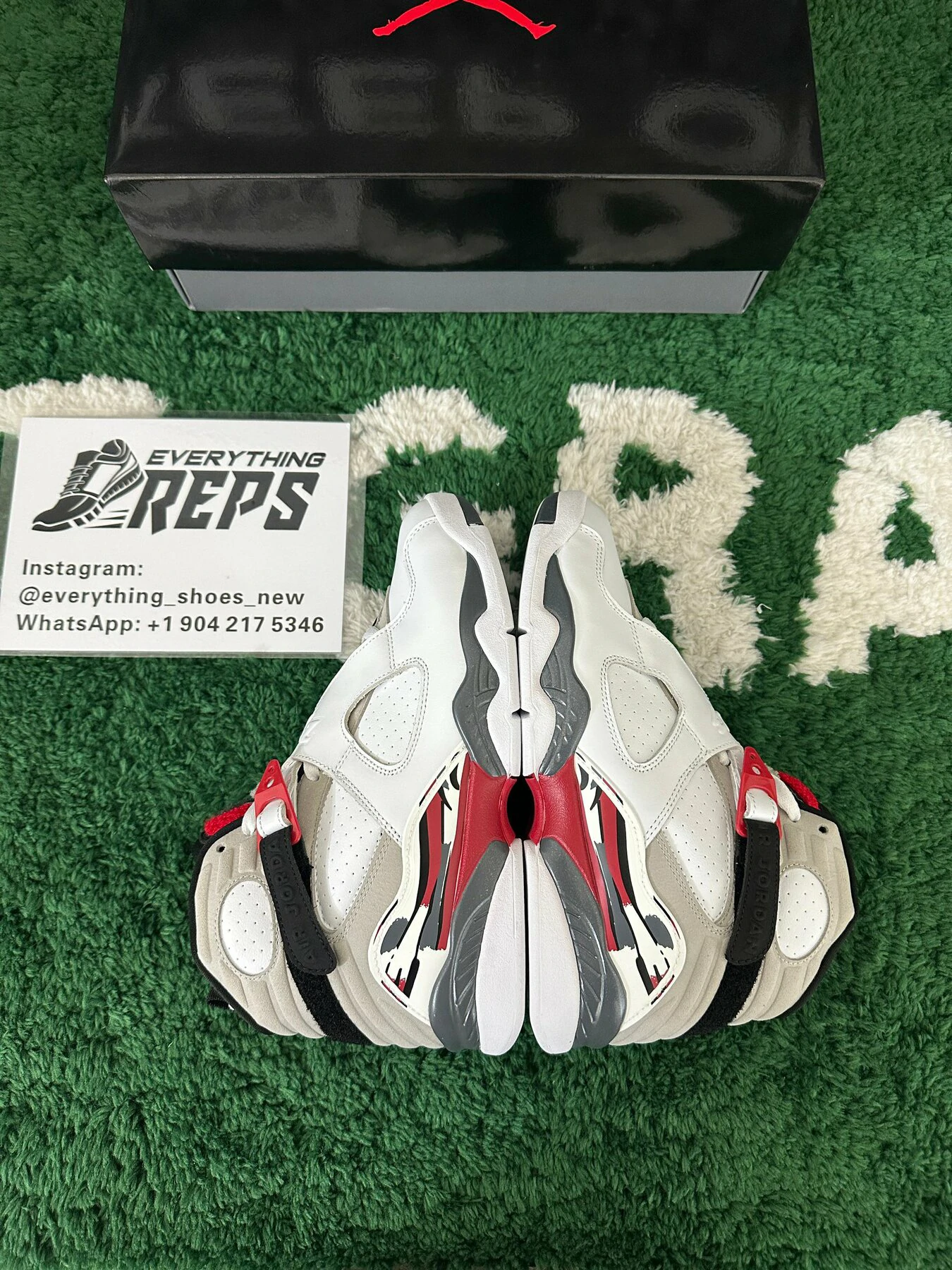
The Jordan Low Top 1 is the safest low-top silhouette most independent sneaker shops can put on the wall. It sells to students who want a clean school shoe, to adults who want something that works with jeans, and to collectors who chase specific colorways. That spread of buyers is why ordering it well matters more than ordering it cheap. What follows covers the trim tiers, the fit problems that turn into returns, the colorways that actually move, and the checks that keep reprints off your shelf.
None of this requires a large budget. It requires knowing which version of the shoe you are buying and what your customers will do with it.
What This Shoe Is and Who Buys It
Strip away the marketing and you have a low-cut leather basketball shoe with a flat rubber cupsole, a perforated toe box, and a heel that sits close to the ground. Low-cut versions of the Air Jordan 1 have appeared in the line since the mid-1980s, and the Retro pairs are what most shops stock today. Two families matter for buying: general release pairs built for volume, and Low OG pairs cut closer to the original shape with Nike Air branding on the tongue.
Buyer profiles are broader than most new owners expect. Students treat it as an everyday shoe, office workers wear it on casual days, and collectors chase specific OG colorways. That spread explains why one colorway clears out in a size 9 while the same pair sits in a size 13 for a year.
Compared with the high-top, the low cut is lighter on the foot and easier to wear with shorts, which stretches the selling season. It also carries less cultural weight, so it rarely commands the resale premium that original high colorways do. Sell it as an everyday shoe and you will set the right expectation at the counter.
Fit and Sizing: Where Returns Come From
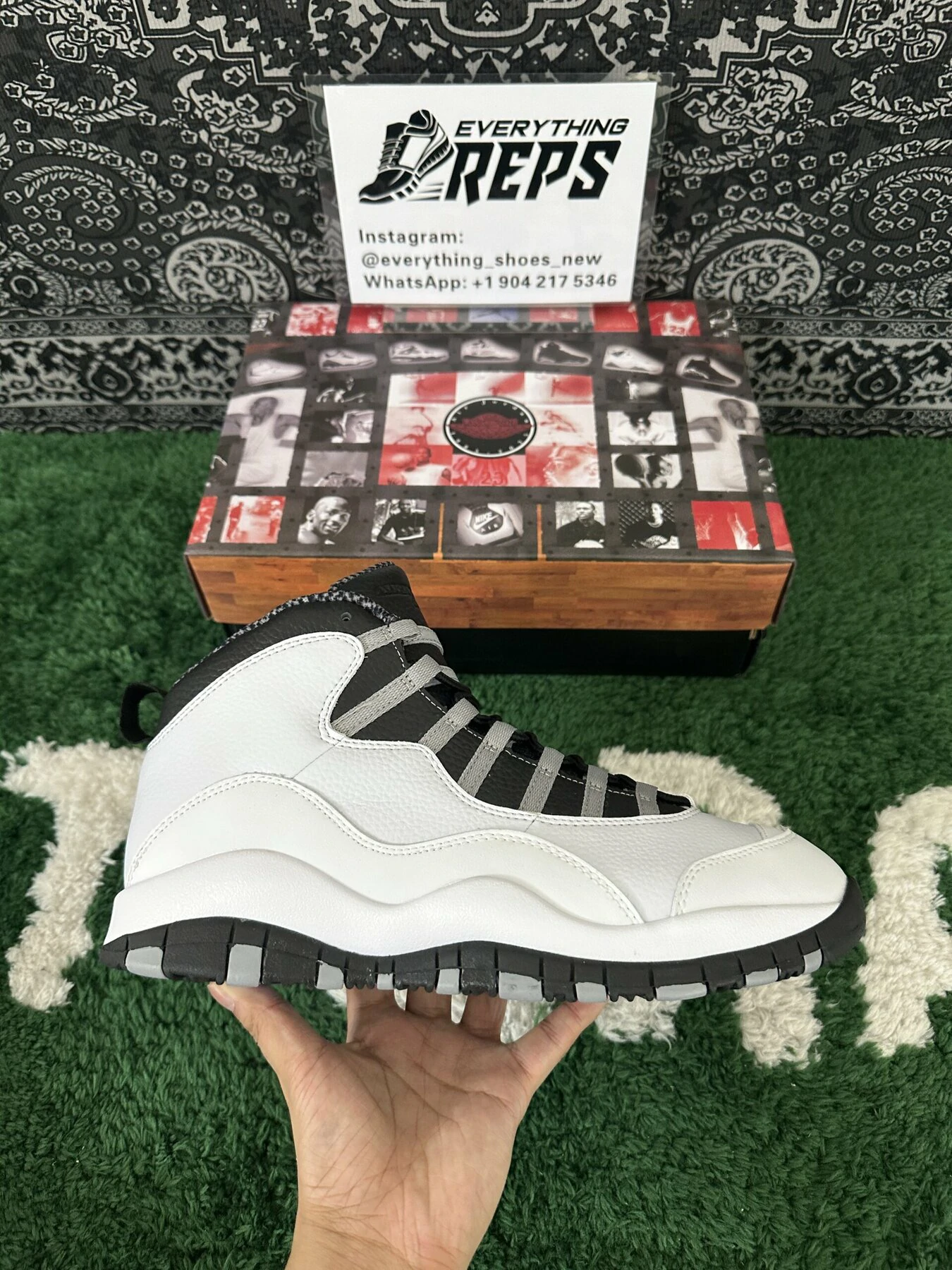
Most Jordan Low Top 1 pairs run true to size in US sizing, though the toe box is narrower than a typical running shoe. Customers with wide feet or a high instep usually need a half size up. Saying that out loud at the register is cheaper than processing the return two weeks later.
Three issues cause most sizing complaints. The first is the men's-to-women's conversion, which runs roughly 1.5 sizes and gets fumbled constantly. The second is grade-school sizing, where the same model stops before adult sizes and parents assume the fit carries over. The third is upper material, since suede and nubuck start snug and relax while patent leather stays stiff for weeks.
Put a conversion chart at the register and on every product page, and tell staff to measure rather than guess. Fit advice should be framed as a starting point; for exact measurements, send customers to the brand's official size chart.
Materials, Trim Tiers, and What You Pay For
The Jordan Low Top 1 ships in four rough tiers, and each behaves differently on the shelf. Material quality is the clearest signal of which one you are holding: general release pairs use synthetic or split leather that creases sharply and scuffs early, while OG and premium pairs use softer leather with the branded details collectors check before they buy.
Price bands follow the same logic. General releases sit at the bottom of the range, OG and SE pairs land higher, and collaboration pairs sit well above both. Treat any dollar figure you see as a placeholder for reference only and confirm current retail and landed cost with your supplier before you set a margin target.
| Trim | Upper material | Fit behavior | Best buyer | Watch for |
|---|---|---|---|---|
| General release low | Synthetic or split leather | True to size, narrow toe box | Everyday wear, volume | Sharp creasing, yellowed midsoles |
| Retro Low OG | Softer leather, Nike Air tongue tag | Snug at first, breaks in | Collectors, repeat buyers | Branding and box label accuracy |
| SE and premium | Suede, nubuck, patent, canvas | Often snug, sometimes a half size up | Fashion-driven buyers | Care questions, water damage |
| Collaboration pairs | Mixed premium materials | Varies pair to pair | Hype and resale buyers | Paperwork, authentication |
Two practical notes before you build an order. Trims are not interchangeable on the shelf, so label them clearly in your inventory system; a customer who expects OG branding will notice the difference immediately. Budget for midsole yellowing on white pairs as well, since aged stock moves slower and usually needs a discount to clear.
Colorway and Assortment: Depth Beats Breadth
Neutral colorways carry the category. White and black bases, university red, royal, and shadow-style blocking all sell through at a steady rate and restock without a marketing push. Bright seasonal pairs can spike for two weeks and then sit, tying up cash you could put into another size run.
Size depth matters more than color count for most shops. Order deep in men's 8 through 11.5, keep one or two pairs at the extremes, and remember that women's sizes drive a meaningful share of low-top sales. A shop with twelve colorways and one pair each in a size 10 loses sales that a shop with six colorways and four pairs each keeps.
Treat the Jordan Low Top 1 as a three-season shoe rather than a summer item. School calendars and holiday gifting create two clear peaks; between them, neutrals hold the wall and keep the category visible.
Plan markdowns before you plan profits. Slow colorways in odd sizes are the first thing to discount, and clearing them early keeps cash free for the next drop.
Authentication and Supplier Vetting
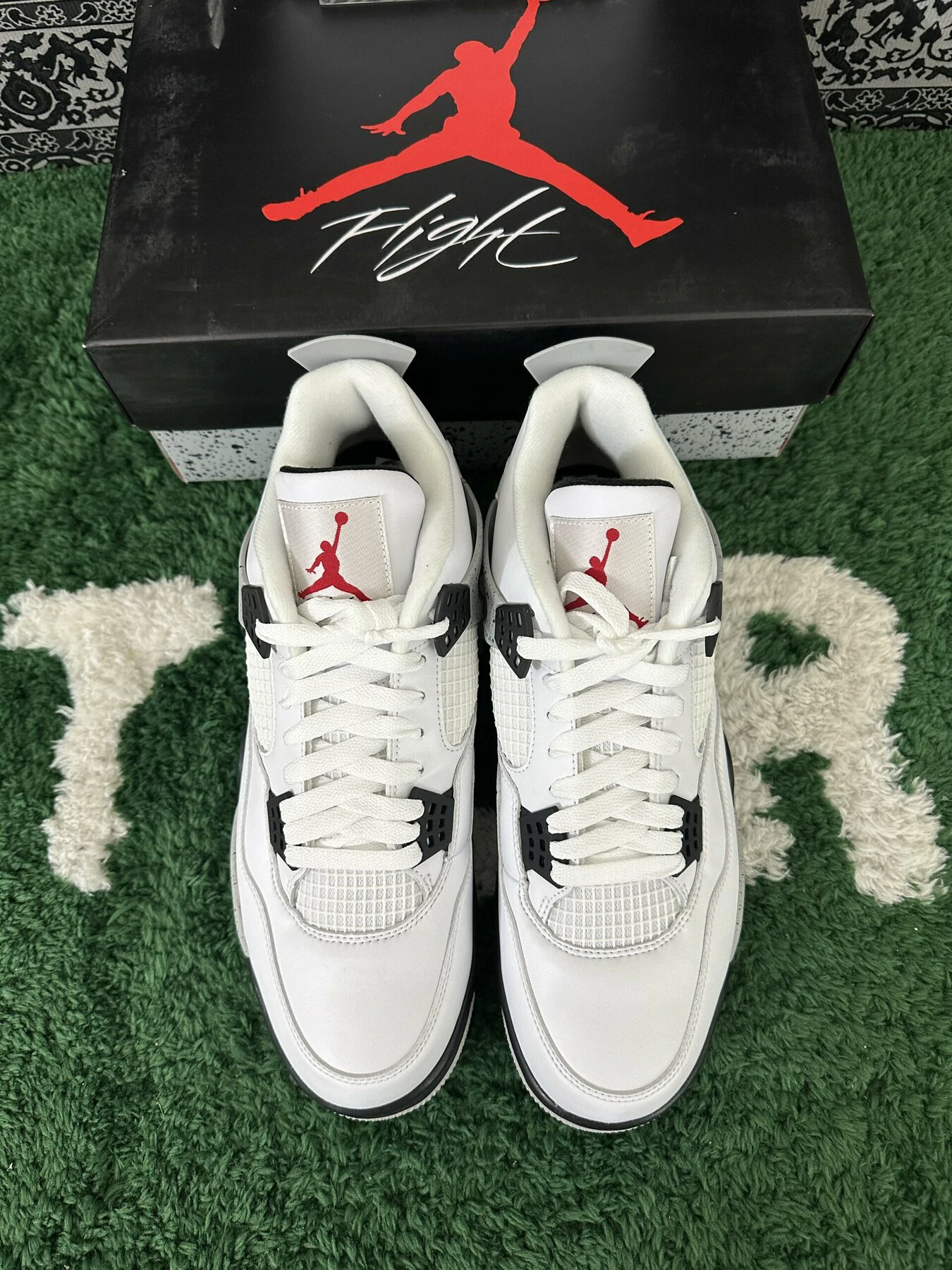
Reprints of the Jordan Low Top 1 are common enough that every order deserves a check, not just the first one from a new source. Ask suppliers for live photos with a dated tag, recent invoices from a traceable distributor, and a written return policy covering pairs that fail inspection. A seller who cannot answer basic questions about the supply chain is a risk you do not need.
Run these checks on a sample pair before you accept a bulk shipment, and write down what you find.
- Compare wing logo placement and stitch density against a pair from a source you already trust.
- Read the tongue tag font, spacing, and size run against the brand's current labeling.
- Inspect insole stitching and midsole glue lines; sloppy adhesive is one of the most common tells.
- Weigh the pair. Reprints often use cheaper midsoles and feel light or unnaturally stiff.
- Match the box label to the shoe's size, color code, and production window.
- Look at the toe box from a low angle; copies often sit too bulbous or too flat.
- Send one pair to a professional authentication service when the order value justifies the fee.
Photos and checklists catch most problems, but they are no substitute for professional authentication on high-value pairs. Build the cost of authenticating a sample into your margin math, and keep inspection records in case a dispute comes up later.
Questions Buyers Ask Before Ordering
Do Jordan low tops run true to size?
For most people, yes. The shoe is built on a standard men's last with a slightly narrow toe box, so wide-footed customers often go up a half size. Women converting from women's sizing should drop about 1.5 sizes. Confirm against the brand's official size chart before publishing fit guidance.
Is the low cut as popular as the high?
In most US shops the low outsells the high in unit volume, mainly because it works with more outfits and costs less at retail. The high still wins with collectors and with buyers chasing original colorways. Stock both, and let the low carry everyday volume while the high acts as a statement piece.
How do I spot fakes quickly?
Start with the tongue tag, the wing logo stitching, and the glue lines at the midsole. Then match the box label to the shoe and weigh the pair against a known authentic one. These checks catch most reprints, though high-value pairs deserve professional authentication before you list them.
What size run should a new shop order first?
Build around men's 8 to 11.5 and add one pair each at 7, 12, and 13. If your customer base skews female, extend the small end rather than the large end. Confirm pack sizes and minimums with the supplier, since some distributors only ship full runs.
Are low tops harder to store than high tops?
They take less shelf height, which is one reason they suit small footprints. The tradeoff is that white midsoles age faster in sunlight, so keep stock away from windows and rotate older pairs forward. Store boxes flat and dry to protect suede and patent finishes.
Ready to price a low-top order? Send your size curve, target colorways, and trim preference, and we will come back with availability, pack sizes, and lead times. Ask for the current spec sheet on any pair you are considering so you can compare materials and construction before you commit.