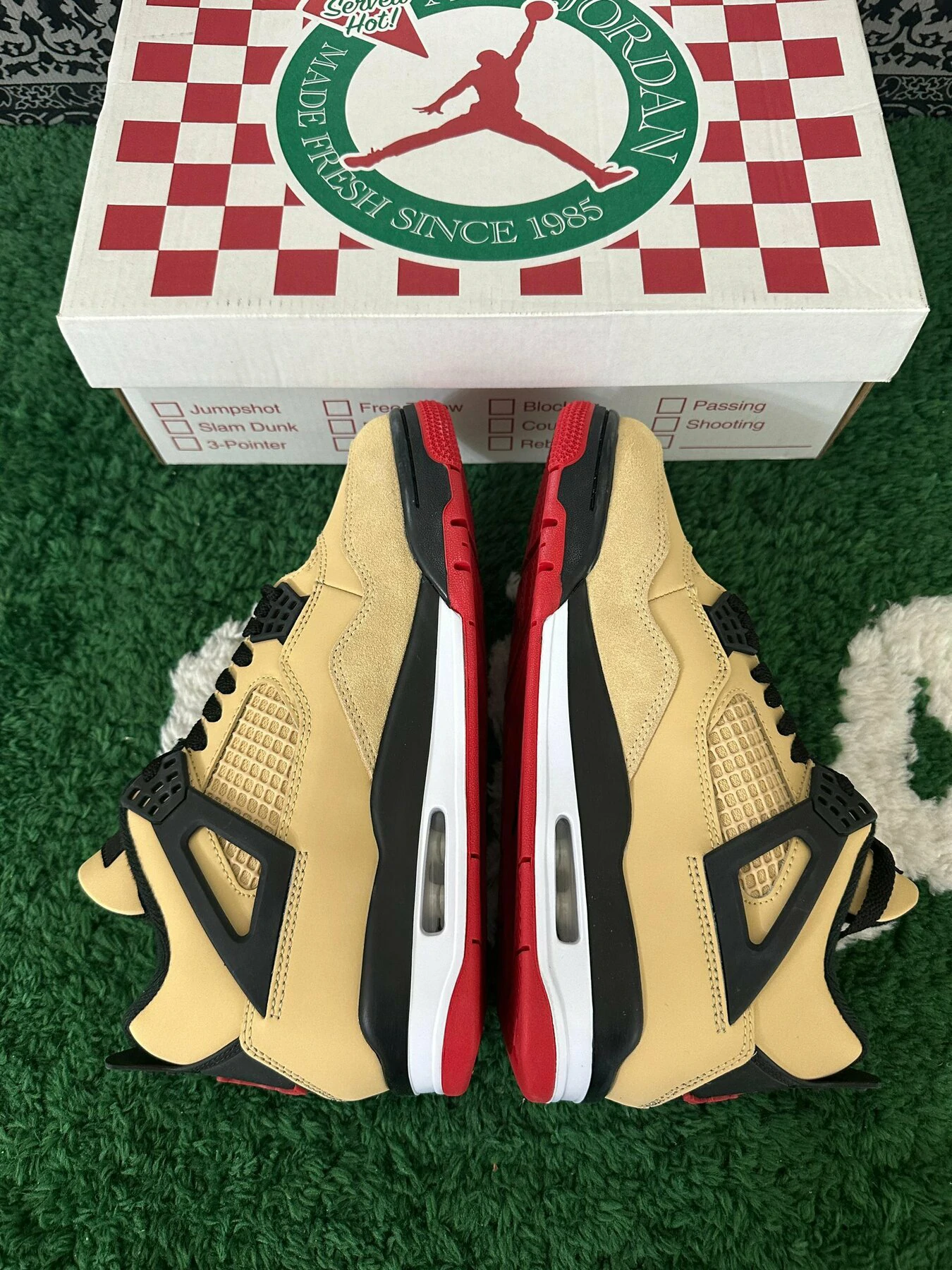
For most independent stores, the Jordan 1 low quai 54 2025 is a limited seasonal Jordan 1 Low tied to the Paris Quai 54 streetball event, not a core repeat model. Treat it as a capsule item for the customer who already follows Quai 54 releases, not for the shopper who just needs a basic black low-top. This guide covers what the shoe is, how it fits, what to verify before you commit to a size run, and how to protect margin without overbidding.
A capsule buy needs a clear customer in mind. If your store sells mostly team shoes and basic lifestyle pairs, this is likely a special-order or small test buy. If you already sell limited AJ1 Lows to sneaker collectors, the release can earn shelf space because the story is easy to explain at the counter.
What This Quai 54 Release Is
Quai 54 is Jordan Brand's summer streetball platform in Paris. The annual collection usually mixes tournament branding with a basketball silhouette, and the Jordan 1 Low is one of the familiar canvases. A 2025 Quai 54 Jordan 1 Low should be judged first as a themed AJ1 Low, then as a collectible.
Design details matter more than the base silhouette. Look for event-specific branding on the heel, tongue, insole, or packaging, plus a style code that matches the release. Do not assume every low-top with Quai 54 language is the same shoe, because collections can include multiple models and colorways.
For a store, the question is not whether the shoe looks good in a photo. It is whether your local sneaker customer will recognize the story without a sales pitch. If the answer is no, buy fewer pairs and put the budget into a model your staff can sell confidently.
Fit and Size-Run Planning
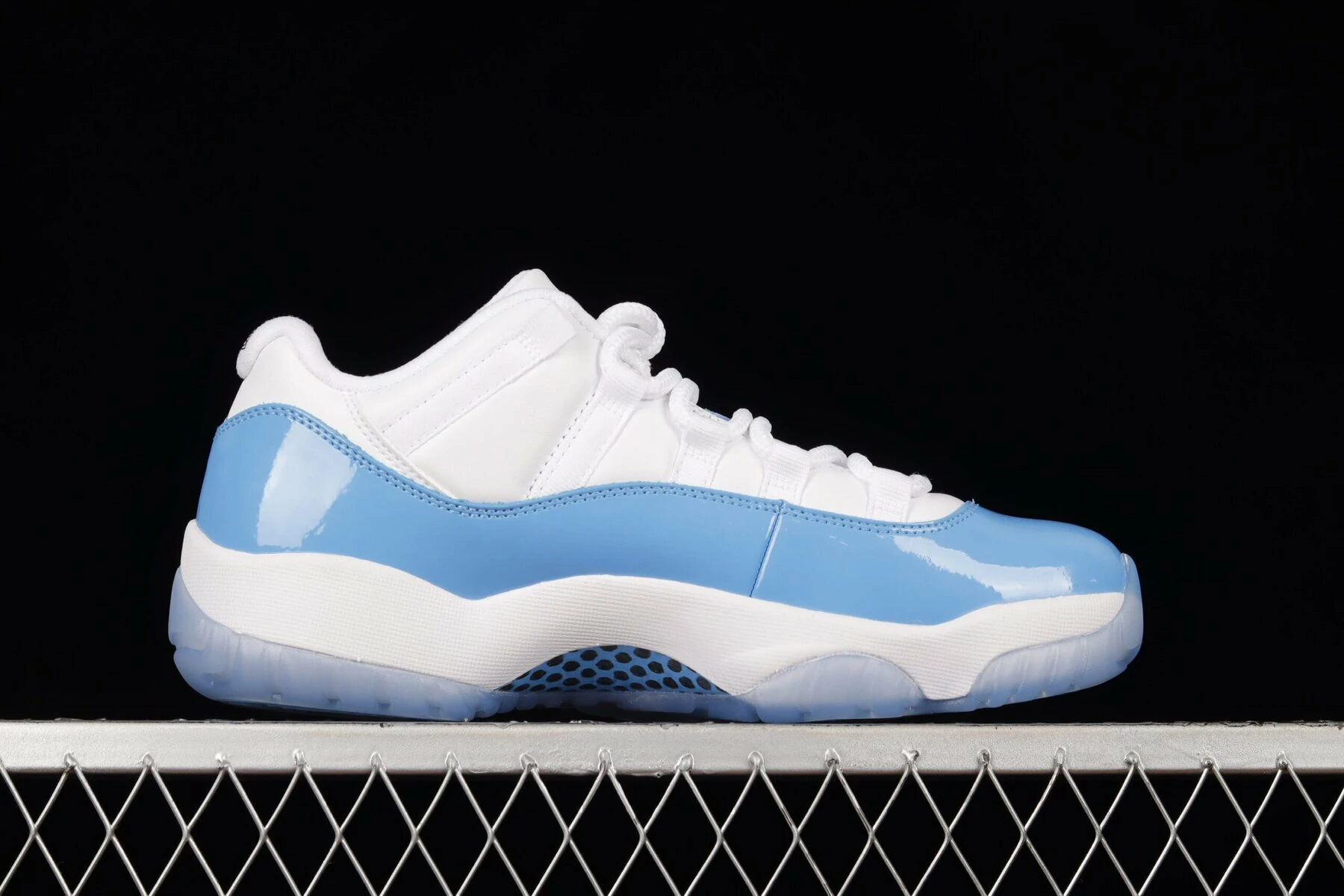
The jordan 1 low quai 54 2025 uses the standard Jordan 1 Low last, so most buyers should start with their usual Nike or Jordan size. Runners who size up in performance models often do not need to size up here, especially with thin socks. Wide-foot customers may still prefer a half size up, but that is a fit preference, not a rule.
Ask customers how they wear their current AJ1 Lows before you promise a size. Leather and padded collars can change the feel slightly, so a pair that fits one customer may pinch another. Use the official size chart as your reference and add your own store note only after you have tried the pair on foot.
For a US store, a narrow size run creates missed sales and leftover pairs. Build around men's US 8 to 12 first, then add smaller and larger sizes only when you have proven demand. Women buyers often cross over into men's sizing, so train staff on conversion instead of treating the shoe as men's only.
Do not copy a competitor's size run without checking your own sell-through history. A size that works in a campus store may sit in a suburban shop with older customers. Keep the first buy shallow, record which sizes sell first, and use that data for the next limited Jordan release.
Materials, Build, and Photo Standards
Materials on Quai 54 releases can shift from smooth leather to suede or nubuck panels, so do not write a product page from memory. The jordan 1 low quai 54 2025 needs close-up photos of the toe box, heel branding, tongue tag, insole, and outsole. If a supplier cannot provide those angles, assume you will be the one explaining the defect later.
Ask for weight per pair and box dimensions before you approve a shipment. These numbers help you compare landed cost and storage space, and they expose listings that use recycled photos.
A real pair should have consistent stitching, clean edge paint, and a tongue label that sits straight. Small differences exist across factories, so use a professional authenticator for high-value buys. Your product page should show the actual pair you are selling, not a catalog image with different branding.
Authentication Checks Before Payment
Use this checklist on every pair, not just the first one in a bulk lot. A single swapped box or size tag can turn a clean order into a customer service problem.
With the jordan 1 low quai 54 2025, the risk is not only a fake shoe. It is a real shoe with the wrong box, wrong insoles, or a swapped size tag. Match the physical pair to the packaging and to the release information before you pay.
- Match the style code on the size tag to the release and the box label.
- Check heel and tongue branding for alignment, spacing, and font.
- Compare the insole print and stitching with known retail photos.
- Inspect the outsole pattern and the midsole paint line.
- Confirm the box label's size, color, and style code match the pair.
- Ask for a timestamped video if buying remotely.
Check the packaging as closely as the shoe. Quai 54 collections often carry special tissue, labels, or insoles, and missing extras weaken resale value. If the seller cannot explain a missing item, price the pair as incomplete or pass on it.
Assortment and Pricing Discipline
The jordan 1 low quai 54 2025 is not a volume shoe for most US independents. Buy shallow and go deep only in the sizes your Jordan 1 customers already ask for. A tight size run protects cash flow and gives you room to restock if the release performs better than expected.
Price it against other limited AJ1 Lows, not against a basic white low-top. Retail and resale ranges move with release hype, so confirm current comps and keep a margin buffer for markdowns. Do not quote a fixed wholesale price until you have a current invoice and landed-cost estimate.
| Comparison point | Quai 54 2025 release | Core Jordan 1 Low | Retail impact |
|---|---|---|---|
| Release story | Tournament tie-in and seasonal theme | General in-line colorway | Sells to collectors first |
| Branding | Event-specific details | Standard branding | Needs clear close-up photos |
| Supply | Limited seasonal allocation | Repeatable core stock | Fewer reorder options |
| Size demand | Concentrated in core US sizes | Broad and predictable | Avoid a deep full run |
A sensible test buy is one size run, not a pallet. If the pair sells through in two to three weeks, reorder only if your supplier has documented stock. If sell-through stalls, bundle it with related Quai 54 apparel or move it through your sneaker-focused email list instead of discounting the whole wall.
Keep the buy plan simple: one story, one customer, one size run. That approach makes it easier to compare margin, sell-through, and return rate after the release settles. It also stops a limited pair from taking budget away from models that pay the rent.
FAQ
Does this Quai 54 AJ1 Low run true to size?
Most buyers should start with their usual Jordan 1 Low size. The shoe uses a familiar low-top last, so runners who size up for performance models usually do not need to here. Wide-foot buyers may prefer a half size up, but ask them to compare with a pair they already own before you confirm the sale.
What should I photograph for product pages?
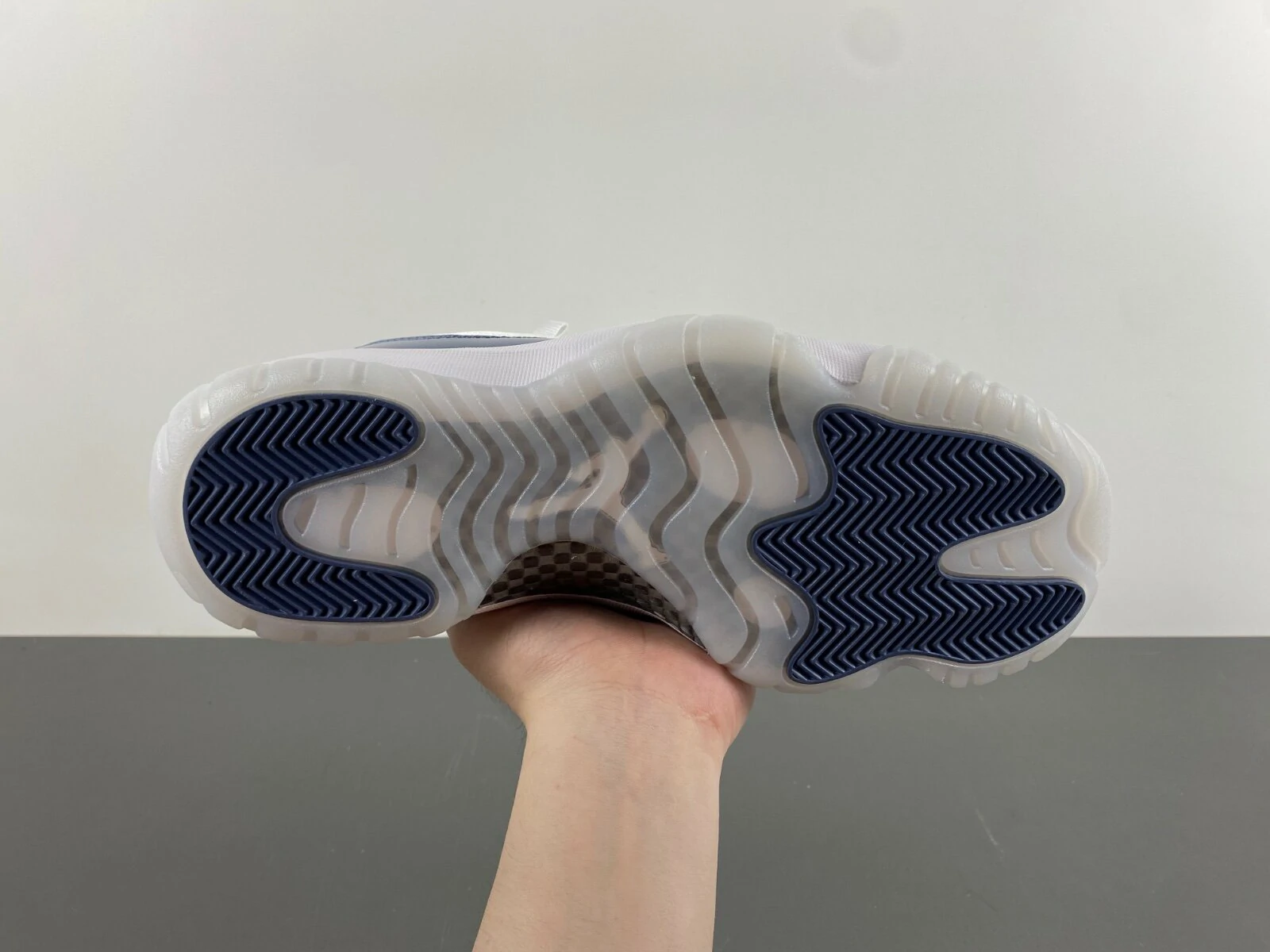
Show the toe box, heel branding, tongue tag, insole, outsole, and box label. Add a straight-on side view and a close-up of the stitching at the collar. Use daylight or soft studio light, and photograph the actual pair you will ship, not a supplier catalog image.
How many pairs should a small store buy?
Start with a shallow run in the sizes your Jordan customers already buy. A common approach is one pair per core size, then a second pair only in the fastest-selling sizes after you see demand. That range is not a rule, so confirm your own sell-through history and cash position first.
Is it safe to buy without the original box?
It can be safe for personal wear, but it is harder to resell and harder to authenticate. Ask for a discount, clear photos of the size tag, and a written return policy. If the pair is for a collector, incomplete packaging usually weakens the offer enough that you should pass or pay less.
If you are planning a US buy, request a current availability sheet, style-code photos, and a landed-cost quote from your supplier before you commit. Ask for a sample pair or a timestamped video on first orders, then set your own inspection standard for every reorder.