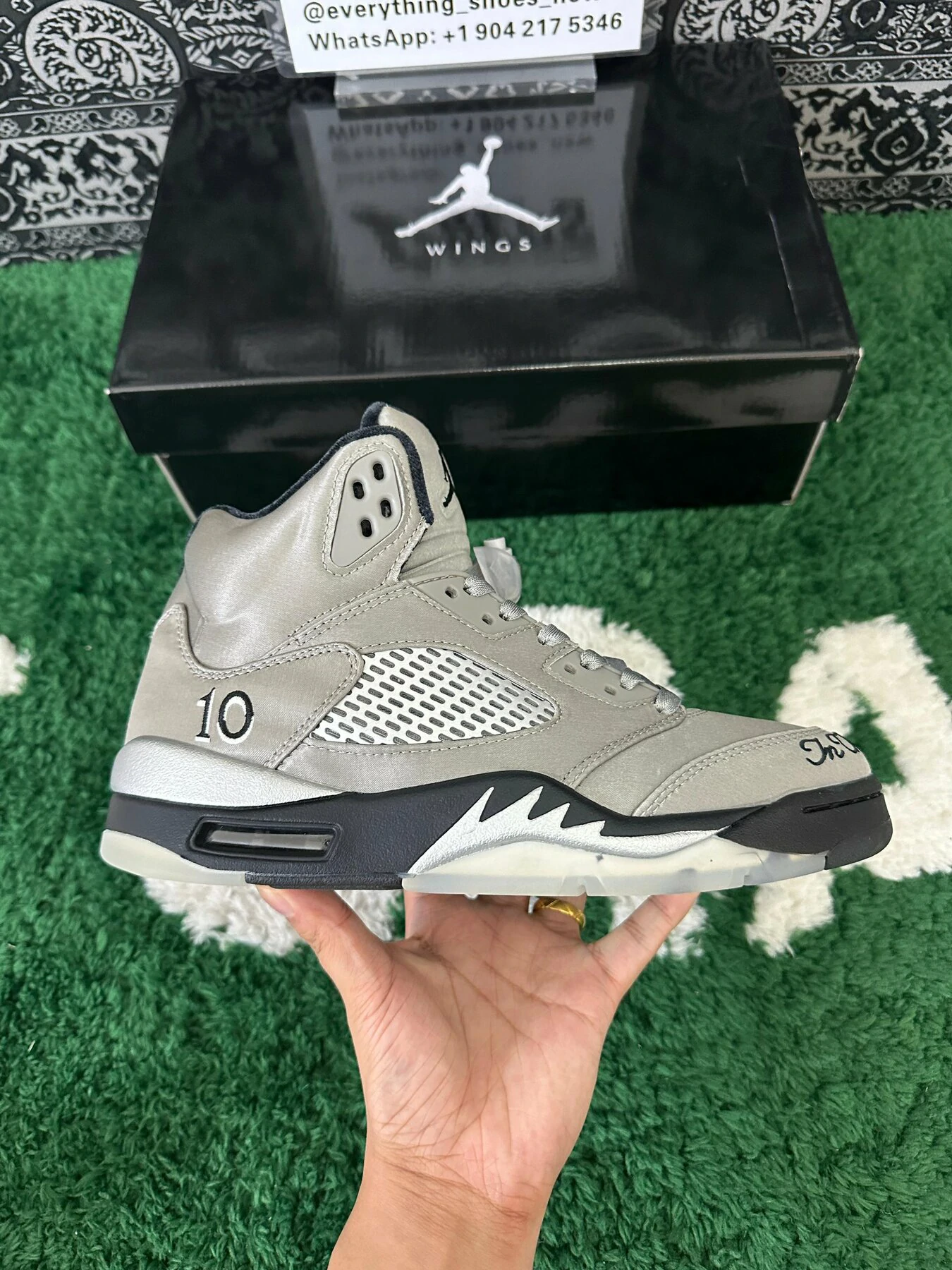
The Jordan 4 retro university blue foot locker Release is a retail signal, not a wholesale source. For an independent shop, it confirms that customers know the colorway and will ask for it. It does not tell you where to buy safe stock, what to pay, or how many sizes to carry. This article covers the buying decisions that matter: channel, authentication, sizing, margin, and the questions to ask before you wire money.
What the Shoe Is and Why Buyers Ask for It
The Jordan 4 Retro University Blue uses a light blue suede and mesh upper with the model's familiar plastic wing eyelets and visible Air unit. Customers recognize it as a clean, seasonal colorway that photographs well, which helps online sellers. The shoe sits in the lifestyle category more than the performance category, so most buyers want it for daily wear.
Demand usually comes from two groups. One is the customer who missed the original retail run and now wants a pair in their size. The other is the resale buyer who watches Foot Locker and other retail listings for restocks. Your job is to match a small, sellable size run to the local demand you can verify, not to guess hype.
That local view matters more than national chatter. A college town may want more size 9 to 11, while a suburban store with older customers may see stronger demand in 10.5 to 12. Pull your own sales history for similar blue or white lifestyle shoes before you commit. If you have no history, buy less.
Retail Hype Versus Wholesale Reality
A retailer who searches for the jordan 4 retro university blue foot locker drop usually finds sold-out sizes, store availability notes, and resale listings. That is useful market research, but it is not a supplier list. Foot Locker is a retail channel, and its stock does not imply a wholesale program for independent shops. Treat its listings as a demand check, not a purchase order.
Wholesale supply for a limited Jordan colorway is rarely simple. You may see authorized distribution, liquidation lots, consignment, and marketplace offers, and each channel carries a different risk profile. The table below is a starting point for comparing them without pretending that one channel is always best.
| Channel | What You Usually Get | Main Risk | Best Use |
|---|---|---|---|
| Authorized distributor | Brand-compliant stock, invoices, size runs | Limited allocation and account requirements | Long-term retail supply |
| Liquidation lot | Mixed sizes, mixed models, faster volume | Condition, provenance, and size gaps | Value shoppers and off-price racks |
| Consignment | Lower upfront cash, partner-held stock | Split margins and slower reconciliation | Testing demand without deep inventory |
| Marketplace offer | Single pairs or small lots, wide selection | Fakes, canceled orders, and weak recourse | Filling specific customer requests |
Use the table as a filter, not a ranking. A consignment pair may protect cash flow but leave too little margin after splits. A liquidation lot may look cheap per pair until you account for odd sizes and condition issues. Authorized supply is cleaner, but allocation is limited and account requirements are real.
Authentication and Sizing Checks Before You Pay
Fakes of the jordan 4 retro university blue foot locker release often fail on proportions before they fail on color. Check the wing eyelet placement, the height of the tongue, and the shape of the toe box against known retail pairs. Ask for dated photos with the size tag, insoles, box label, and stitching at the heel. If the seller cannot provide those, walk away.
Suede texture is another useful filter, but it is not a single test. University Blue pairs can vary slightly by production run, so do not reject a shoe only because the nap looks different. Compare multiple angles and use a professional authentication service for high-value lots. A cheap price is not proof of a good deal; it is often the first warning.
Fit affects returns as much as authenticity affects trust. Jordan 4s generally fit true to size for most customers, though people with wide feet often prefer a half size up. The model has a structured upper and a padded collar, so complaints tend to come from the sides rather than length. Keep a size conversion chart at the counter and point online buyers to the official brand size guide.
For a store, sizing is a cash-flow decision. A full run ties up money in slow sizes, while a narrow run can lose sales when a customer asks for 10.5 or 12. Start with the sizes your own sales data supports, then fill gaps through consignment or special order. Do not copy a national resale size curve and assume it fits your town.
Pricing, Margin, and the Foot Locker Effect
Do not let the jordan 4 retro university blue foot locker retail narrative set your buy price. Retail listings show what consumers see, not what your business can safely pay. Build your margin from landed cost, payment fees, authentication cost, shipping, and the discount you may need to move slow sizes. If the math only works at full resale price, the deal is too thin.
Wholesale prices, MOQs, and shipping terms vary by supplier, season, and lot condition. Any range you hear is for reference only; confirm it in writing before you commit. Ask for a price list with size breakdown, condition notes, and return policy. A supplier who avoids those details is not offering a shortcut, just a different kind of risk.
Set a target margin before you negotiate, then work backward. Include the cost of holding inventory for 60 to 90 days, because limited colorways can cool off. If you sell online, add marketplace fees and chargeback risk. A pair that looks profitable on paper can turn into a loss after one return and one authentication fee.
A Sourcing Checklist for US Shops
Use the same checklist for every lot, even when the seller seems established. The goal is not to slow down a good deal. It is to create a paper trail you can use if the shoes arrive wrong, late, or fake. Adjust the list to your state rules and your accountant's advice.
- Confirm the exact model, colorway, and size run in writing.
- Request dated photos of the size tag, box label, insoles, and heel stitching.
- Ask whether the stock is retail, liquidation, consignment, or mixed.
- Get the landed cost quote, including shipping and any import charges.
- Check the return policy for fakes, damage, and size errors.
- Run high-value lots through a professional authenticator.
- Start with a small test order before scaling to a pallet.
- Record the supplier's business name and payment terms.
The checklist should also include a demand test. Offer a preorder or hold a few pairs for regular customers before you buy deep. If the shoe sells through quickly at a healthy margin, reorder. If it sits, you have learned something useful without taking a large loss.
FAQ for Independent Buyers
Is this colorway still available at retail?
A search for the jordan 4 retro university blue foot locker listing may show sold-out sizes, so check current store stock rather than assuming a restock. A sold-out retail page does not create a wholesale opportunity. If customers ask for the shoe, source through a channel you can verify and price against your own landed cost.
How can I tell if a pair is authentic?
Check proportions, wing eyelet placement, tongue height, toe box shape, labels, and stitching. Compare against verified retail photos and use a professional authenticator for expensive lots. No single detail proves authenticity, so judge the whole package and keep the seller's photos on file.
Do Jordan 4s run true to size?
Most buyers take their usual Nike or Jordan size. Wide-footed customers often go up a half size, and people who wear thick socks may prefer extra room. Keep the official brand size chart on hand and mention fit guidance in your product listing to reduce returns.
Can I buy wholesale directly from Foot Locker?
Foot Locker is a retailer, not a general wholesale supplier for independent shops. Do not assume access to its stock or imply an official partnership. Use authorized distribution, verified liquidation, or consignment, and confirm account terms directly with each supplier.
What MOQ should I expect?
MOQs vary widely by supplier, channel, and lot size, so treat any fixed number with caution. Ask for the minimum in writing, including size breakdown and mixed-model rules. Start with a small test order when possible, then scale after you confirm sell-through and authentication.
Ready to price a run? Send your size curve, target landed cost, and authentication requirements to a verified supplier, and ask for a written quote before you commit. Keep the first order small enough to test demand, then reorder only after the numbers hold.