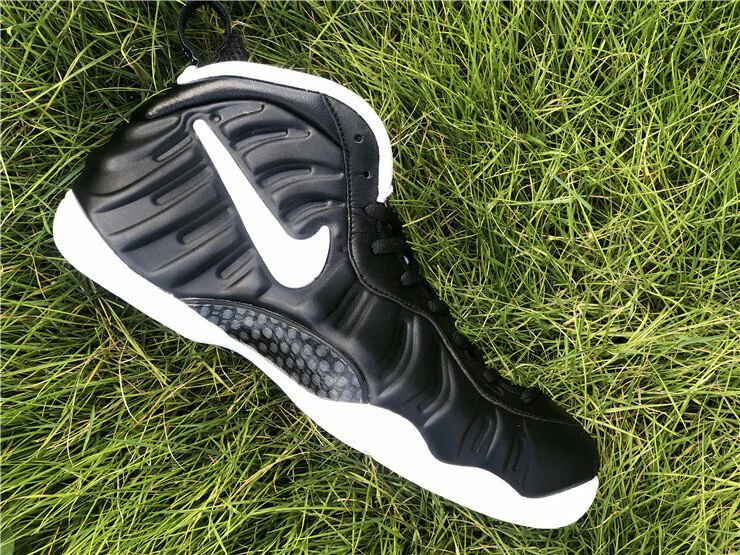
A named SB Dunk Low colorway, the nike sb dunk low wieger should be bought as a specific SKU, not as a generic Dunk Low. The name points to Nike SB rider Wieger Van Wageningen, which is why the pair gets attention beyond a standard Dunk release. This article covers what the shoe is, how it fits, what to inspect before ordering, and how a US shop can plan a size run without overstocking.
What the Colorway Is and Who It Suits
It is a low-top SB Dunk with the usual skate-focused build: padded tongue, reinforced upper, Zoom Air insole, and a cupsole. The Wieger tag makes it a named colorway, so buyers compare it with other SB collaborations and rider editions, not with core black-and-white Dunks. That distinction affects how you price it, display it, and talk about it on the sales floor.
This pair suits shops with an SB customer base, especially stores that already sell skate footwear and limited Dunk colorways. A general family shoe store can still sell it, but the buy should be shallow and size-focused. If your customers mostly want basic court sneakers, the Wieger name will not do the selling for you.
Fit and Sizing Notes for Retail Buyers
SB Dunk Lows generally fit true to size for most buyers, but the padded collar and tongue make them feel snug at first. Customers with wide feet often prefer a half size up, while skaters who want a tight ride may stay at their normal US size. Always check the current Nike size chart and the specific pair's insole marking before you build a run.
For a US skate shop, the nike sb dunk low wieger is a focused buy, not a volume shoe. Start with the sizes your regular SB customers ask for, then add one pair in the edges only if the supplier allows a mixed run. Track sell-through by size for the first two weeks, because Dunk buyers often cluster around the middle of the run.
What to Inspect Before You Order
Photos and box labels are not proof of authenticity, but they are useful screening tools. Ask for clear images of the toe box, swoosh, heel embroidery, insole, and size tag. A seller who cannot provide those images is a risk, even if the price looks attractive.
Use the table below as a buying record. It keeps your team from relying on memory when a shipment arrives with mixed sizes or unclear paperwork.
| Check | Why it matters | What to record | Common red flag |
|---|---|---|---|
| Box label | Connects the pair to the named colorway and size. | Style code, color code, size, and label style. | Label font or spacing looks off. |
| Size tag | Helps confirm the size run and production details. | US size, UK/EU conversion, and tag layout. | Tag does not match the box or the listing. |
| Materials and finish | Panel mix and stitching affect wear and resale. | Photos of toe box, swoosh, heel, and insole. | Glue stains, loose stitches, or mismatched panels. |
| Supplier terms | Protects your cash flow and return options. | Size breakdown, lead time, and return policy. | Vague answers or pressure to pay in full. |
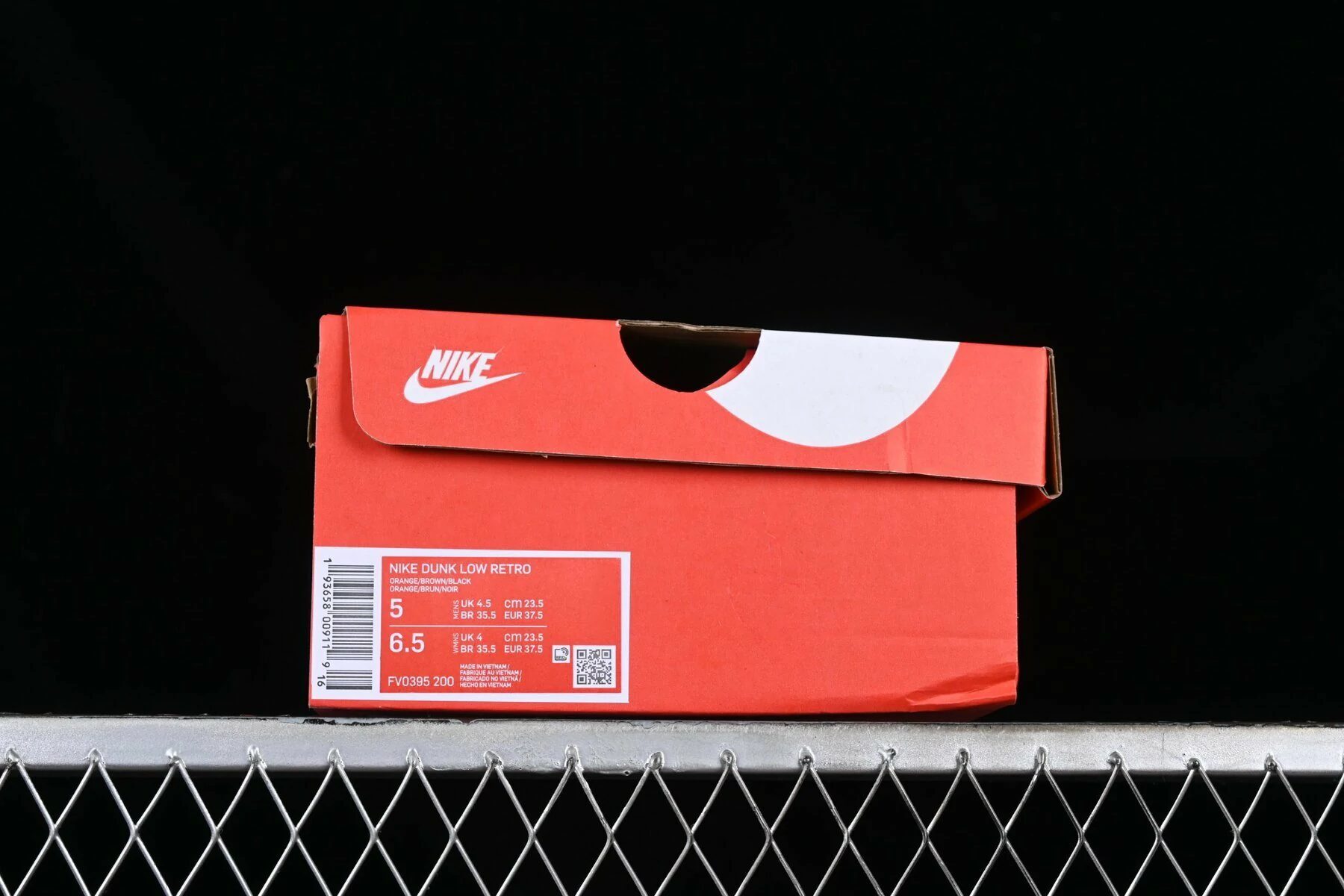
A nike sb dunk low wieger box label should match the size tag, the listing, and the invoice. If any of those three disagree, pause the order and ask for an explanation in writing. Small mismatches are common in bulk handling, but repeated mismatches are a sign to walk away.
Materials, Comfort, and Wear Points
The SB Dunk Low uses a cupsole, a padded tongue, and a Zoom Air insole, so it feels heavier and more supportive than a standard Dunk Low. Most buyers notice the break-in period around the collar and the toe box. For shop staff, that means sizing advice should mention thick socks and a short break-in, not just "true to size."
Material mixes change by colorway, so do not promise a specific suede or leather feel from a single photo. Check the actual sample or supplier images under neutral light. Look at the toe box shape, the swoosh edge, and the heel panel, because those are the areas customers inspect first on a named SB pair.
Authentication and Supplier Checks
Authentication is a process, not a single detail. On a named SB colorway, fake pairs often fail on proportion, stitch density, label fonts, or insole print. Use a professional authenticator for high-value pairs and keep your own photo record for every shipment.
- Compare the style code and color code on the box label with the size tag and invoice.
- Photograph the toe box from above to check shape and panel symmetry.
- Check swoosh placement, stitch spacing, and heel embroidery at close range.
- Inspect the insole print and Zoom Air unit for consistency with known retail pairs.
- Ask the supplier for the size breakdown, lead time, and return policy in writing.
- Set aside one pair per shipment for a second review before listing it as available.
Supplier checks matter as much as shoe checks. Ask for references from other US buyers, request current photos with a date stamp, and confirm who handles duties and returns. For import rules, use a customs broker rather than guessing, because tariff treatment and clearance requirements can change.
Stocking Plan and Profit Discipline
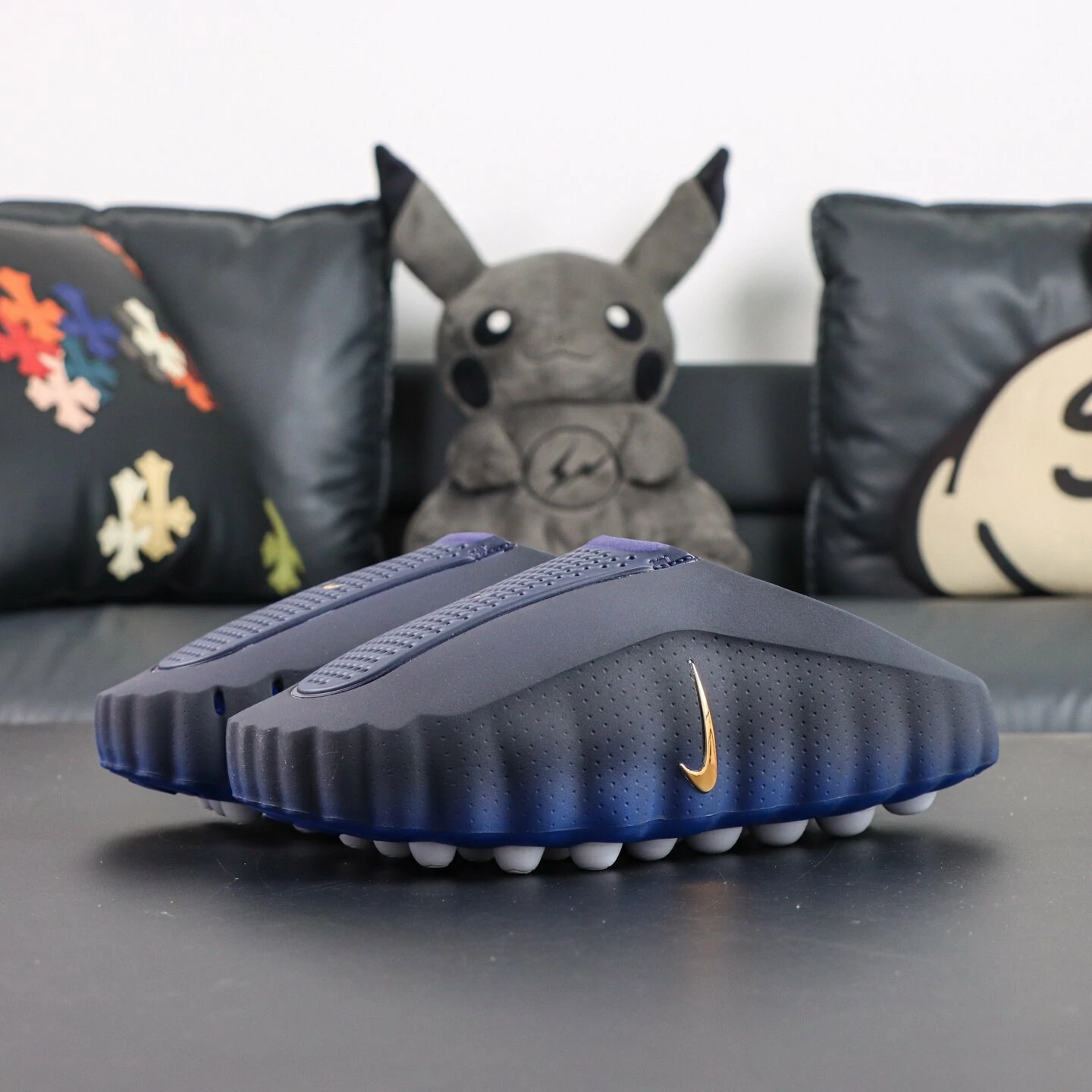
Named SB colorways like the nike sb dunk low wieger can sell fast in the first week and then slow down sharply. That pattern rewards a narrow buy with a clear size curve, not a deep buy based on hype. Set your target margin after landed cost, payment fees, shipping, and a markdown reserve. If the numbers only work at full price, the buy is too thin.
Ask the supplier for a mixed-size run, even if the unit cost is slightly higher. A broken run sells better than a pile of size 13s, and it gives your regular customers a reason to check back. Keep the Wieger pair near your SB display, not in a general sale bin, because context affects perceived value.
Review sell-through after the first month. If one or two sizes stall, bundle them with socks or a shop tee rather than cutting the price on the whole run. Protect the price on the core sizes and use the slow sizes as a traffic tool. This is basic retail math, but it is easy to forget when a Dunk release feels urgent.
FAQ
Is this SB Dunk true to size?
Most buyers take their normal US size in the nike sb dunk low wieger, but the padded collar can feel tight at first. Wide-footed customers often go up a half size. For shop advice, tell customers to try their usual size first and check the official size chart before ordering online.
Does the Wieger name change the fit?
The fit should follow the standard SB Dunk Low build, not the name on the box. Materials can change how stiff the upper feels, but the last and padding are the main factors. Ask your supplier for the exact style code before you compare it with other Dunk Lows.
How can a shop spot a questionable pair?
Start with the box label, size tag, and invoice, then check stitching, swoosh placement, and insole print. No single photo proves authenticity. For expensive pairs, use a professional authentication service and keep your own images. If the supplier avoids close-up photos, do not place the order.
Is this pair worth stocking for a small shop?
Only if you already sell SB footwear and have customers who ask for named Dunk colorways. A small shop should test a narrow size run first and reorder only after sell-through proves demand. If your base is casual sneaker buyers, put the cash into core styles instead.
If you are sourcing pairs for a US shop, send your target size run to a supplier you can verify and ask for current availability, lead time, and landed cost before you commit. A clear quote and a written return policy are worth more than a vague promise of a hot colorway.