Golf accounts and sneaker accounts ask about this model for different reasons, and both deserve a straight answer. Air Jordan 1 Low G Shoes are Nike's golf-specific build of the AJ1 Low, made for players who want a Jordan silhouette on the course instead of a traditional spiked shoe. Whether that translates into sell-through at your store depends on your customer mix, your size run, and how honestly you can move a slow colorway. This guide covers the build differences, the buyer profiles, fit and returns exposure, authentication red flags, and Order planning.
What the G Suffix Actually Changes
The G stands for golf, and the differences are structural rather than cosmetic. The outsole replaces the street tread with a molded, spikeless traction pattern, so the shoe grips turf without replaceable spikes. Nothing about that makes it a spiked shoe, and pretending otherwise creates returns.
Upper construction leans toward waterproof or water-repellent leather across most colorways, which matters for morning dew and light rain. Some releases add Nike React foam in the midsole, while others stay closer to a standard foam setup. Read the spec sheet per colorway instead of assuming every pair under the same name rides the same.
Weight sits close to the lifestyle version, and that is the whole pitch. Most Air Jordan 1 Low G Shoes feel like a sneaker underfoot from the first hole. On soft, wet fairways a spiked model still wins on grip, so know which conditions your regulars actually play in before you build a range around it.
Who Buys This Model, and Who Walks Past It
Two buyer profiles drive the sale. The first is the sneaker customer who plays a few rounds a month and wants one pair that works from the parking lot to the clubhouse without a shoe change. He compares it to his everyday AJ1, not to a FootJoy.
The second is the younger golfer who treats the course as a place to be seen. He buys color first and function second, and he tends to replace pairs before the outsole is worn. Both customers care about silhouette, which is why the model holds its price better than a generic spikeless shoe.
Your colorway mix should follow the split. Whites, blacks, and grey-based options move steadily to club members and to gift buyers who want something safe. Louder colorways clear fast in urban and college markets and can stall for a full season at a conservative country club account.
Fit, Sizing, and Returns Exposure
Fit runs close to the standard AJ1 Low last. Most golfers take their normal US size, though wider feet often go up a half size, especially with thicker golf socks. If a customer is between sizes and plays in a soft spike, suggest the larger one.
Women buying Air Jordan 1 Low G Shoes typically size down about 1.5 from their women's size to reach the men's equivalent, but confirm that against Nike's official size chart rather than a forum thread. Post the conversion table on your product page and you cut a predictable batch of exchanges.
Returns are the quiet cost on this shoe. Because it looks like a lifestyle sneaker, some buyers expect lifestyle cushioning and then complain about a firmer, turf-oriented ride. Describe the ride honestly in the listing and at the counter. A short, specific description beats a page of enthusiasm.
How It Stacks Up Against Adjacent Options
Buyers usually weigh this model against the lifestyle AJ1 Low and against a traditional spiked golf shoe. The trade-offs are clean enough to put in front of a customer.
| Feature | Air Jordan 1 Low G | AJ1 Low (lifestyle) | Traditional spiked golf shoe |
|---|---|---|---|
| Outsole | Molded spikeless traction | Rubber street tread | Replaceable spikes |
| Upper | Mostly waterproof leather | Leather and synthetic panels | Synthetic with waterproof membrane |
| Ride | React foam on some versions, firmer forefoot | Soft lifestyle foam | Firm, stable platform |
| Best customer | Style-first golfer, casual to regular play | Everyday off-course wear | Low-handicap and wet-weather players |
| Retail note | Higher colorway risk, stronger full-price sell-through | Highest volume, lowest risk | Small but loyal repeat base |
For a golf shop adding one crossover model, this is the safer bet than a second spiked shoe. For a sneaker store testing the green-grass channel, order narrow and lean on the neutral colorways first.
Authentication and Spec Checks Before You Pay
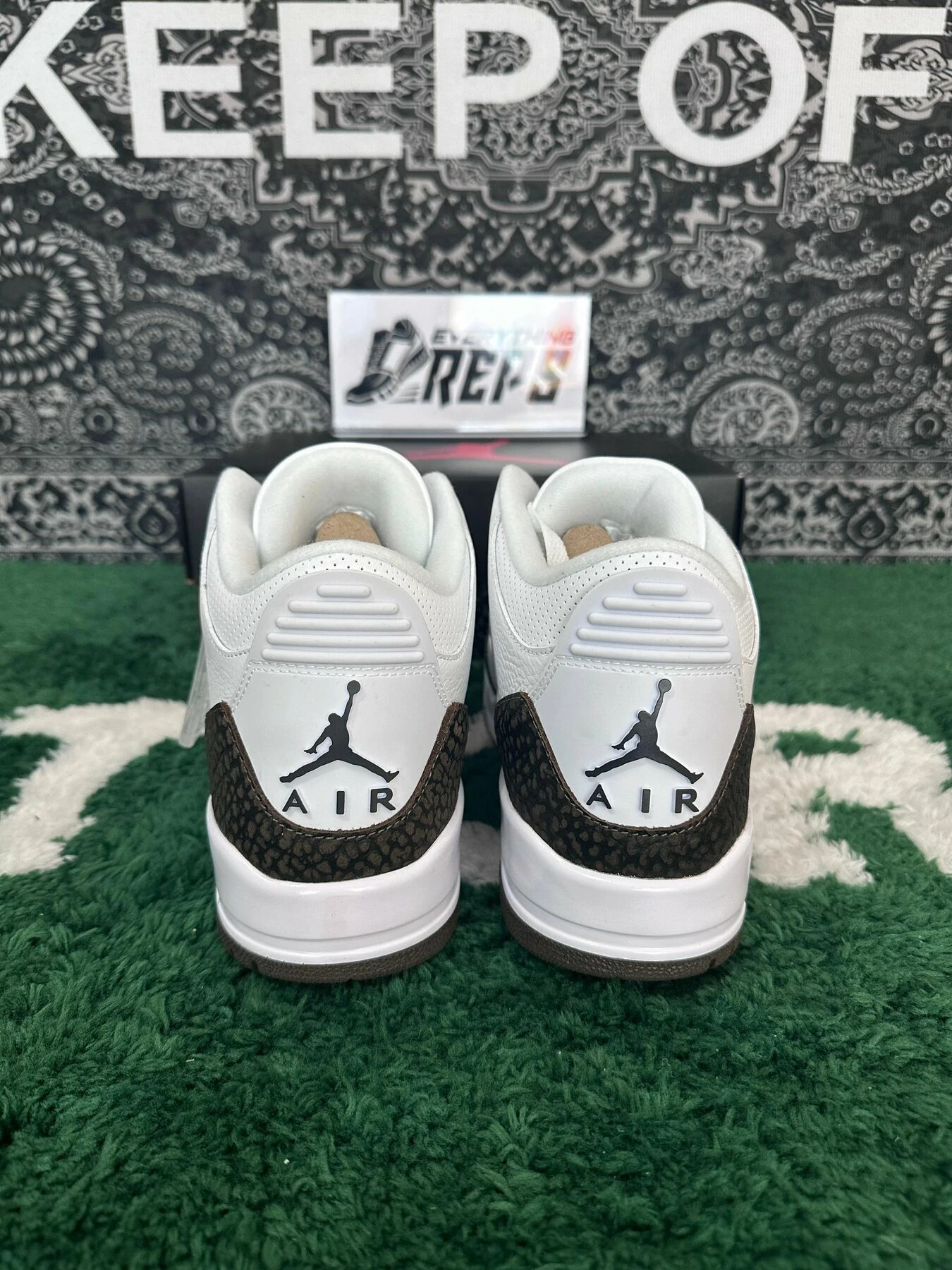
Counterfeit AJ1 variants are common, and the G model gets swept up with them. The check is not one detail, it is the combination. Work through the list below on every new supplier and keep photos of the first good pair as your reference set.
- Match the size tag font, spacing, and production dates against a known authentic pair.
- Inspect the tongue label stitching; crooked rows and loose thread are a warning sign.
- Compare the outsole traction pattern depth and edge sharpness to the reference pair.
- Check insole print alignment and adhesive neatness at the heel.
- Confirm the box label style code and size match the tag inside the shoe.
- Weigh both shoes; a noticeable left-right or pair-to-pair gap suggests a problem.
- Ask for the supplier's invoice trail and a return policy in writing before any deposit.
A single flaw proves nothing, but three soft details on one pair usually do. When the stakes are high, route the pair through a professional authentication service rather than deciding from photos on your phone.
Order Planning, Minimums, and Landed Cost
Wholesale terms on this model vary widely by channel. Some suppliers quote per pair with no minimum, others want a full size run or a multi-dozen commitment per colorway. Ask for a price list broken out by colorway and size, not a single blended number. Ranges you hear are for reference only, so confirm everything with the supplier before you build a margin model.
Landed cost is where new buyers get hurt. Add freight, insurance, duties, and broker fees to the unit price before you set retail. Footwear duty treatment depends on materials and construction, and rules change, so have a licensed customs broker classify your shipment instead of guessing from a blog post.
Start with a shallow, wide buy: more colorways, fewer units each. Depth belongs in the two or three options that sell through in your market. Payment terms, restock windows, and whether the supplier can hold continuity stock matter more than a few points of unit price when you are chasing a seasonal window.
Frequently Asked Questions
Are the G versions true to size?
For most players, yes. The last runs close to the standard AJ1 Low, so regular customers should take their normal US size. Wide-footed buyers and anyone wearing thick golf socks often prefer a half size up. Always point customers to the official size chart before ordering online.
Will this shoe hold up in wet weather?
Most colorways use waterproof or water-repellent leather, which handles dew-heavy mornings and light rain. Prolonged rain and soft fairways are a different story, and traction is the limiting factor rather than the upper. Keep a spiked option available for the players who go out in any condition.
Can I sell it to customers who don't play golf?
You can, and some stores do. The silhouette reads as a normal AJ1 Low to most shoppers, so it moves to sneaker buyers who never set foot on a course. Just be clear about the firmer ride and spikeless outsole so the sale does not come back as a return.
Which colorway should I order first?
Start with a white-based or black-based option, then add one louder colorway if your customer base skews younger. Two safe options plus one statement pair is a reasonable test order for a new account. Ask for sell-through data on comparable stores if the supplier has it.
How do I verify a supplier before paying a deposit?
Request the business license, a recent invoice sample, and a written return policy. Ask for references from US buyers and place a small trial order before committing to volume. Never wire funds to a personal account, and treat prices far below the market range as a reason to slow down.
Next Step
If you are building a crossover golf range for the coming season, send over your colorway shortlist and target size run. We will come back with availability by size, current pricing tiers, and lead times so you can compare landed cost against your shelf plan. Ask for the price list and start with a trial order.