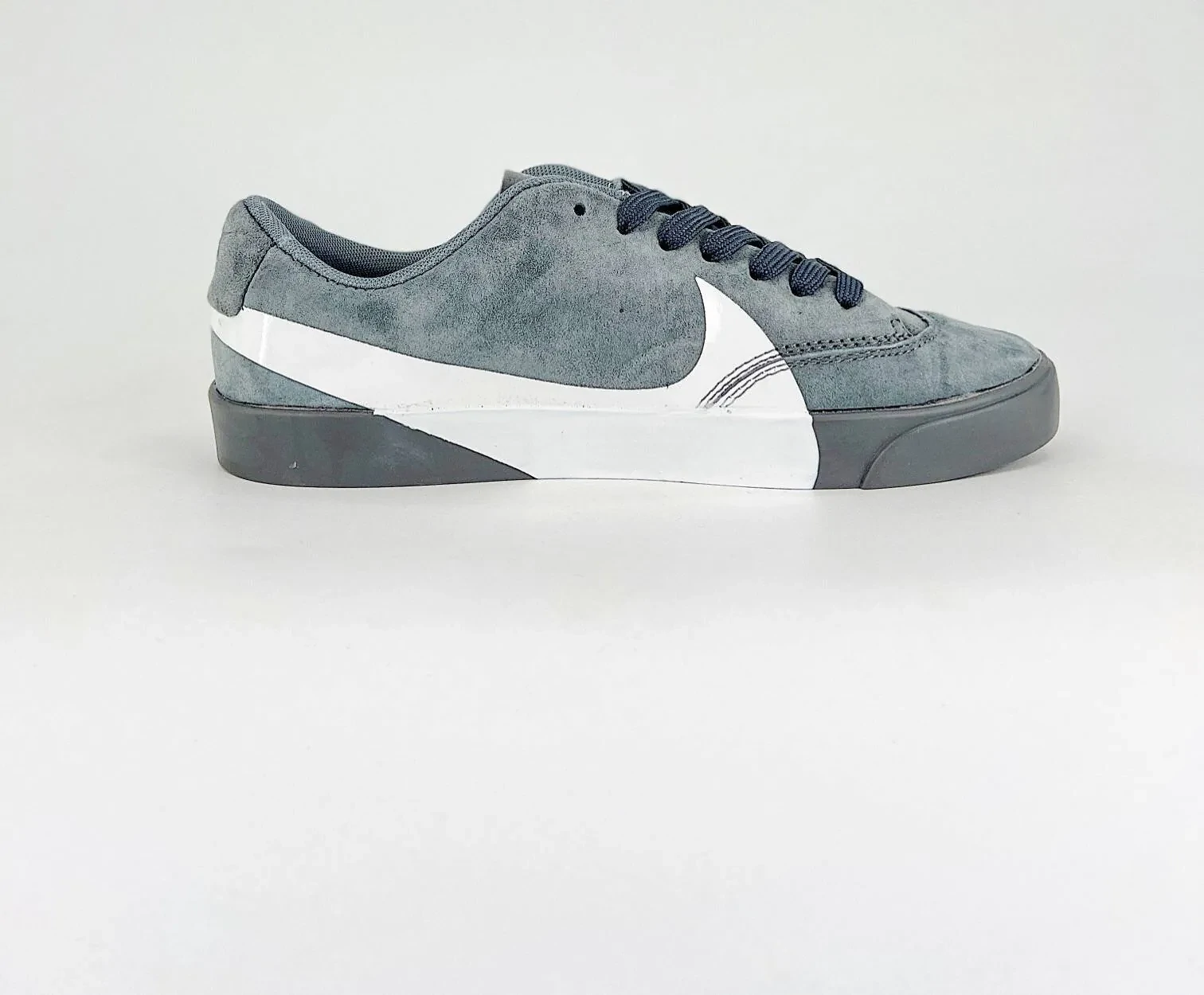
Most people asking how long to make Nike ID Shoes land on the same range: roughly three to four weeks from order to delivery, with faster builds on simple designs and longer waits on premium materials or during the holiday rush. Nike shows an estimated delivery date at checkout, and that date is the one worth planning around. What follows breaks the timeline into its parts, shows where it slips, and explains how a shop should pad it before promising a customer anything.
The Realistic Window, Order to Doorstep
Nike By You, the program that used to be sold as Nike ID, builds pairs individually rather than in batches. A standard design in a core colorway usually clears the build stage in about two to three weeks, then spends another three to seven business days in transit inside the US. Complicated designs add days, not months.
Personalization is the usual culprit. Engraved text and custom heel tabs run through a separate station, so they sit outside the normal production line. Premium panels such as suede, patent leather, or a limited graphic can also stall a build when that component is out of stock at the facility handling your region.
Where the Extra Days Come From
Nothing about how long to make Nike ID shoes is fixed, because four separate stages each carry their own queue. Watching them individually makes a late order easier to diagnose and much easier to explain to a customer.
- Order confirmation. Payment authorization and design review can take a day or two, longer if a payment needs manual verification.
- Production slot. Your pair joins a queue at a regional facility. Peak season stretches this stage more than any other.
- Quality check and packing. Usually a couple of days, but a failed inspection sends the pair back to the front of the line.
- Shipping and customs. Domestic legs move quickly. Cross-border orders add clearance time that no one at the brand controls.
Lead-Time Ranges by Order Type
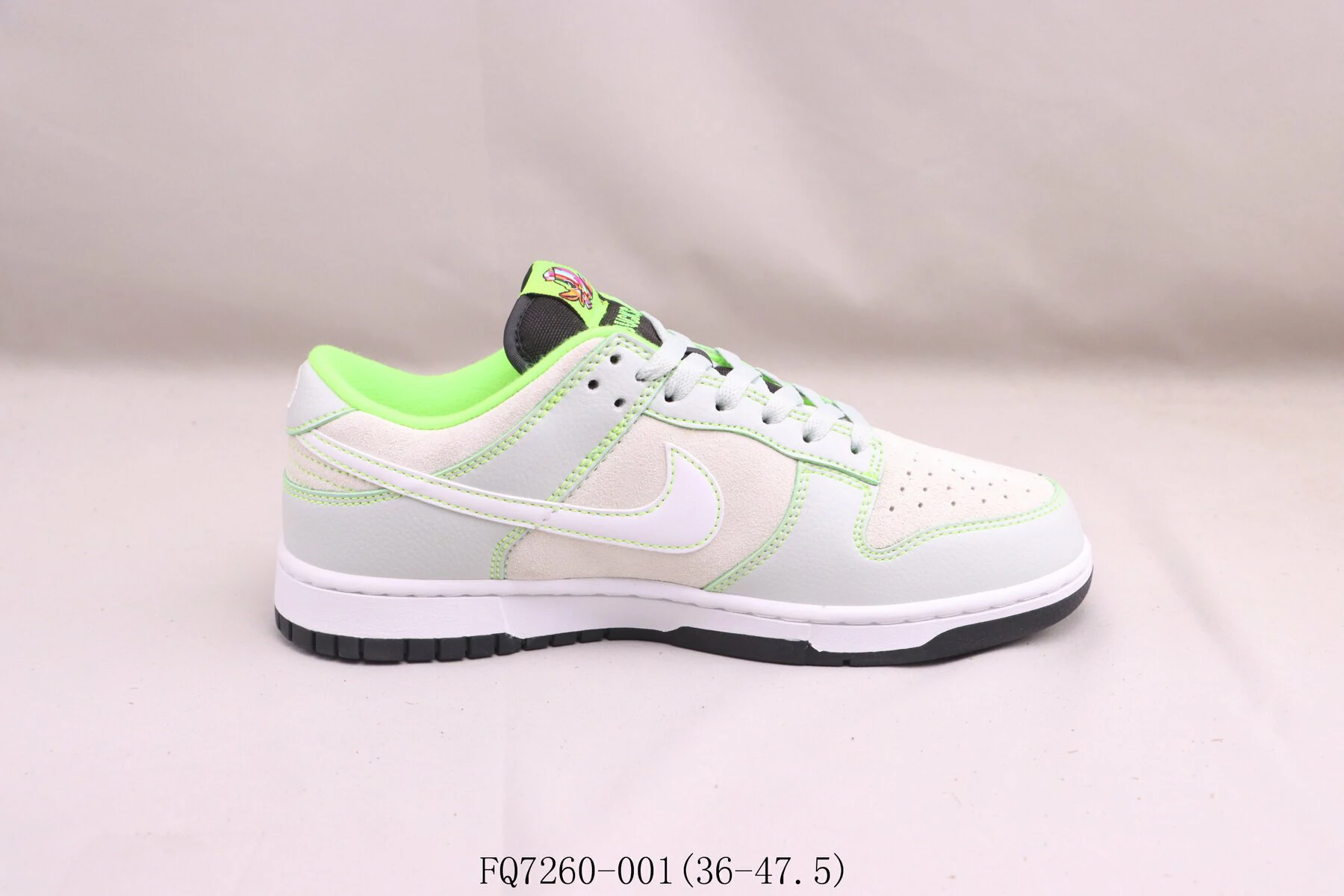
Answers to how long to make Nike ID shoes shift with the design, so treat the grid below as a planning tool rather than a promise. Ranges reflect typical US experience and should be checked against the current estimate at checkout or with your supplier.
| Order type | Typical build time | Shipping | Buffer to add |
|---|---|---|---|
| Core colorway, standard materials | 2 to 3 weeks | 3 to 7 business days | 1 week |
| Premium or limited materials | 3 to 5 weeks | 3 to 7 business days | 2 weeks |
| Personalized text or engraving | 3 to 4 weeks | 3 to 7 business days | 1 to 2 weeks |
| Holiday peak, late November to mid December | 4 to 6 weeks | 5 to 10 business days | 3 weeks |
| Cross-border shipment | 3 to 4 weeks | 7 to 14 business days plus clearance | 3 to 4 weeks |
Blanket statements like "custom takes a month" are useless for scheduling. The gap between a core colorway and a peak-season premium build is often two full weeks.
Why the Timeline Hits Shops Harder Than Single Buyers
A single buyer can shrug off a five-day slip. A shop that quoted a date to a customer cannot. When you are selling a custom pair, the question of how long to make Nike ID shoes turns into a customer-service issue rather than a curiosity.
Retailers usually handle this one of two ways: promise an honest window with a buffer baked in, or keep a small stock of the closest standard colorway and offer it as a swap. The second option protects the sale when production runs long.
Wholesale restocking is a different animal. Bulk orders from a distributor move on a schedule you negotiate up front, often quoted in weeks from purchase order to dock, and that lead time is contractual rather than estimated. Get those windows in writing, since freight and customs add their own variance.
A Pre-Order Checklist for Store Owners
Buffer is the part you control. Most shops settle on about a week for standard builds and two to three weeks for peak season or personalized pairs, then quote the padded date instead of the raw estimate.
- Get the estimated date in writing, then add your buffer before you repeat it to a customer.
- Ask whether the design includes personalized elements, and quote the longer window if it does.
- Note the ship-from region. Cross-border builds need extra room for clearance.
- Keep one or two standard colorways in stock as a fallback for impatient buyers.
- Record the order number and check the tracker weekly instead of chasing updates by email.
- Set expectations at the point of sale, not after the first delay.
Written notes beat memory here. A simple spreadsheet with order date, promised date, and padded date keeps a small team consistent when three people are answering the same customer.
Common Questions From Buyers
Do all custom orders take the same time?
No, and there is no single answer to how long to make Nike ID shoes. Build time depends on the model, the materials, and whether personalization is included. Core colorways on popular silhouettes move fastest, while premium materials and engraved details add roughly one to two weeks in most cases. Check the estimate attached to your specific order.
Can you pay extra to speed up production?
Expedited shipping has been offered in some markets, but that shortens transit, not the build. A single pair cannot skip the production queue. If speed matters more than customization, buy a standard colorway that is already in stock.
Does the estimate include shipping?
Usually the checkout date covers delivery, not just dispatch. Read the fine print anyway. Weather, carrier delays, and customs can push a package past that date, and those events sit outside anyone's control at the point of sale.
What should a shop do when a custom pair arrives late?
Reach the customer before they reach you, offer the in-stock alternative, and log the delay so your next quote carries a bigger buffer. Repeated late promises cost more in reviews than the order is worth.
Is Nike ID available for bulk orders?
Not in the wholesale sense. The program is built for single pairs and small personal orders. Stores that need volume at a set price should work with a wholesale supplier and confirm minimums, lead times, and authentication checks directly before planning around them.
If you need custom-style colorways on a schedule you control, contact us with your size run and color targets. We will confirm what is available now, what needs to be ordered, and the lead time we can commit to in writing.