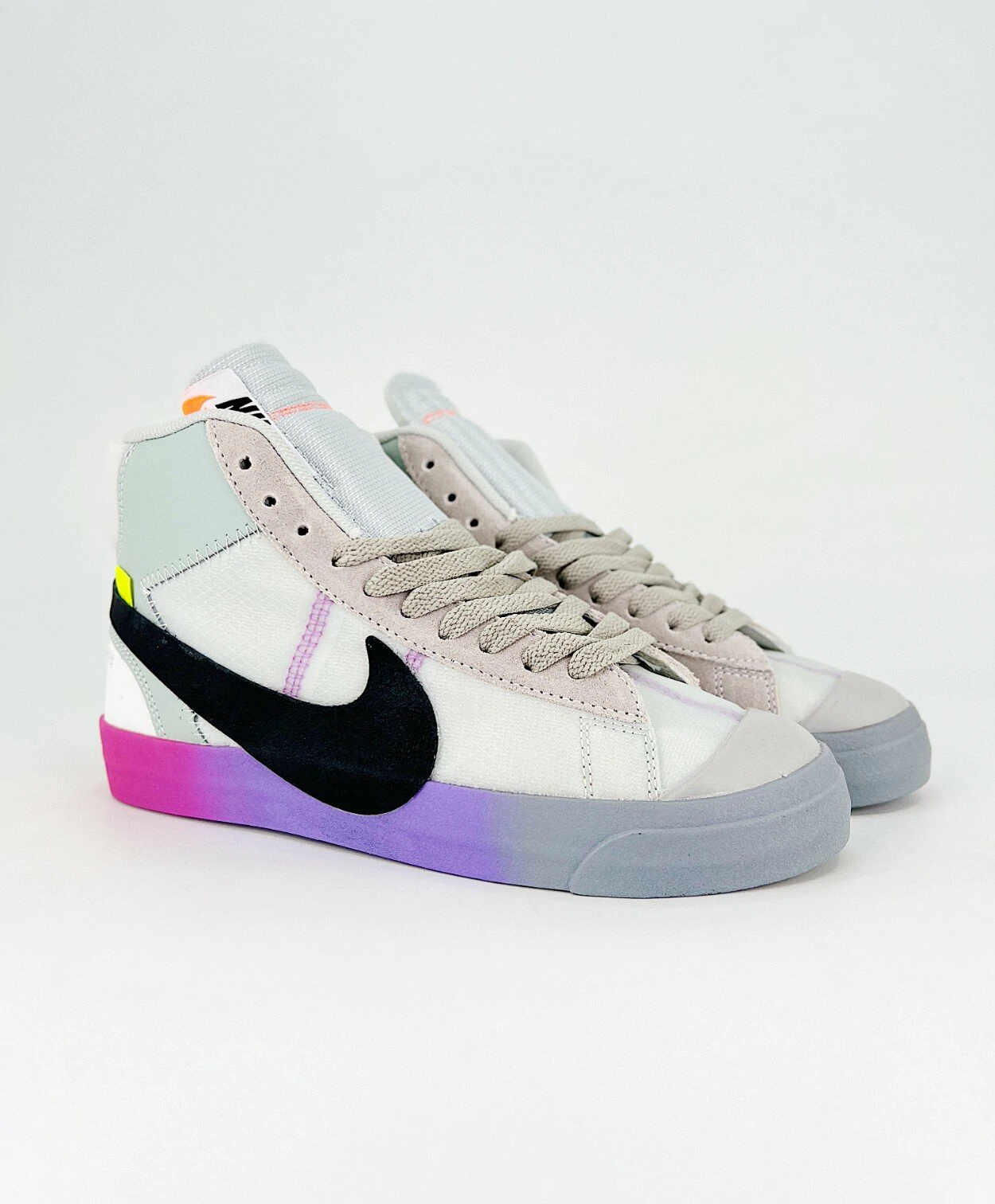
Sourcing nike overstock Wholesale works best when you treat it as a supply-chain problem, not a bargain hunt. The lots are real, but profit comes from verifying provenance, controlling size runs, and pricing Landed cost before you commit. This guide covers the channels US shop owners can use, the numbers to check, and the red flags that separate a workable closeout program from a pallet of problems.
What Overstock Really Means in the Nike Supply Chain
Overstock is excess inventory that did not sell through at full price. In footwear it usually appears as prior-season colorways, canceled retail orders, closeout case packs, or mixed pallets from a store closure. The shoes are generally authentic retail product, but packaging and condition can vary.
Do not confuse overstock with factory seconds, sample pairs, or replica stock. A legitimate lot should come with a paper trail: original invoices, UPC labels that match the SKU, box labels, and a size breakdown. If a seller cannot explain why the inventory exists, walk away.
Lot language matters. A case pack usually means a cleaner size run in one style, while a pallet may mix models, sizes, and box conditions. Mixed lots can be useful for a test order, but they demand more sorting time and a clear plan for odd sizes.
Where US Retailers Actually Find Legitimate Lots
Most buyers searching for nike overstock wholesale are really looking for a repeatable supply of core sizes, not a one-time pallet. Independent shops commonly buy through authorized closeout distributors, liquidation marketplaces, retail bankruptcy auctions, and off-price wholesalers. Each channel has a different risk profile, and the cheapest price per pair is rarely the safest entry point.
Ask every source for the same three items before negotiating: a current price list, a size curve for the exact lot, and a sample invoice or provenance document. Suppliers who only communicate through messaging apps and refuse a video call are not worth a deposit.
| Channel | What you usually get | Size-run control | Best for | Main risk |
|---|---|---|---|---|
| Authorized closeout distributor | Prior-season case packs, cleaner boxes | Medium to high | Shops that need repeatable sizes | Higher minimums and less color choice |
| Liquidation pallet | Mixed brands, models, and conditions | Low | Buyers with sorting space | Missing sizes and damaged boxes |
| Retail bankruptcy auction | Store inventory sold in bulk | Low to medium | Experienced bulk buyers | As-is terms and tight pickup deadlines |
| Off-price wholesaler | Closeout lots, sometimes mixed | Medium | Test orders and fast fills | Inconsistent provenance |
Treat auction listings and pallet photos as marketing until you see the actual size curve. A photo of 40 pairs tells you nothing about how many are size 9 or 10, which is where most US shops make their money. Request a spreadsheet by style, size, and condition before you bid.
Price Logic and Margin Math
Price per pair is only the first number. Add inbound freight, pallet handling, payment fees, authentication labor, and the cost of pairs that will not sell at full price. A lot that looks 40% cheaper can lose its advantage after you write off odd sizes and damaged boxes.
Wholesale discounts on prior-season Nike footwear commonly fall in a broad range, often 30% to 55% off original retail, depending on model, size run, and season. Treat that as a reference point only and confirm actual pricing with each supplier. Your margin also depends on local demand and whether you sell in store, online, or both.
A disciplined approach to nike overstock wholesale starts with a landed-cost sheet, not a price per pair. Enter cost per pair, freight per pair, expected sell-through by size, and a markdown reserve. If the model only works when every pair sells at full price, the lot is too risky.
Payment terms deserve the same scrutiny. Ask whether deposits are refundable, who pays return freight, and what happens if the size curve is short. If you import, ask a customs broker about duties and clearance, and treat any duty estimate from a seller as a starting point only.
A Supplier Vetting Checklist Before You Pay
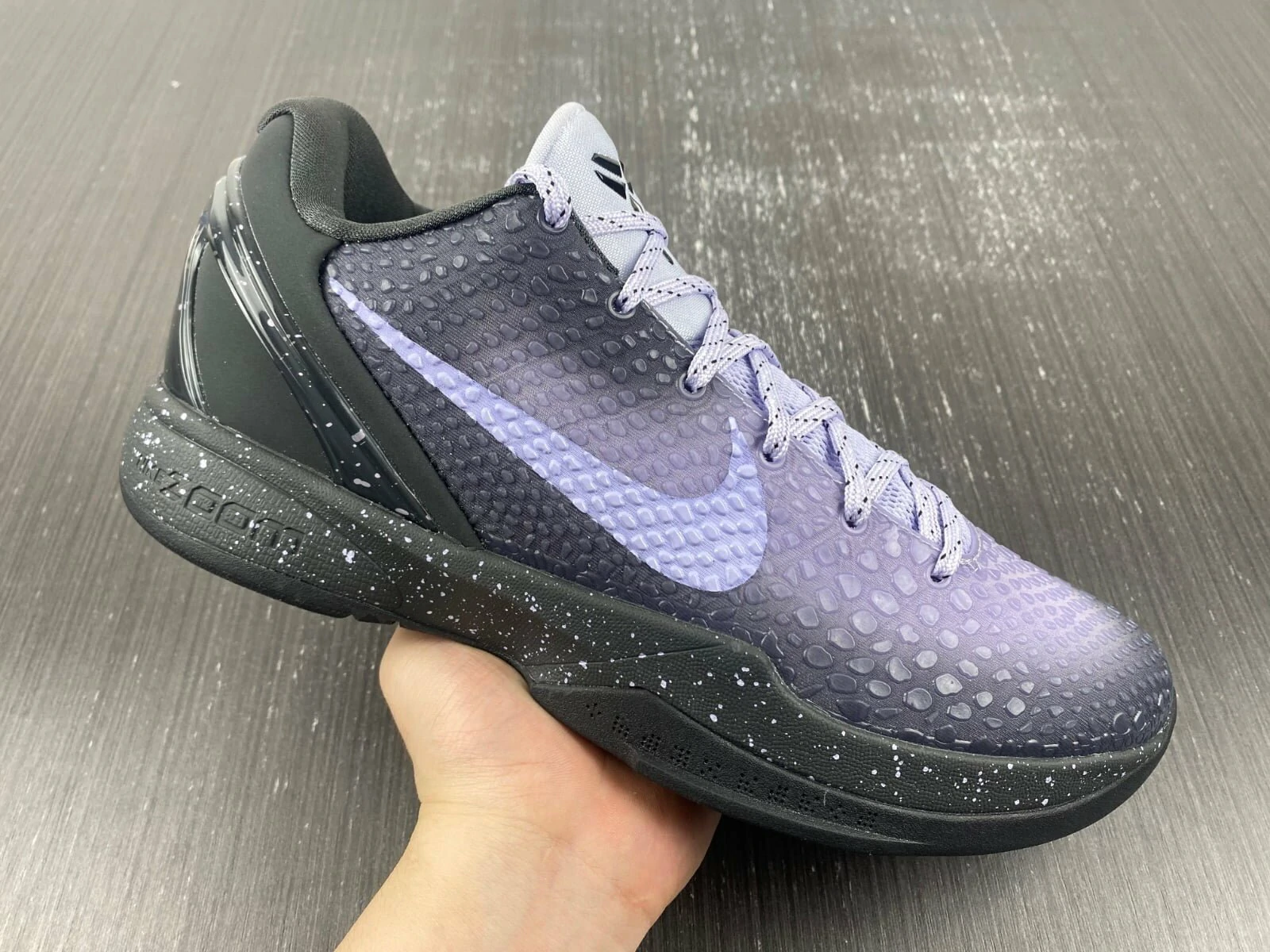
Run the same checks on every new source, even one introduced by a trusted contact. The goal is to make the supplier prove the inventory before money moves.
- Confirm the legal business name, address, and resale certificate requirements for your state.
- Request the exact size breakdown by SKU, not a generic assorted-sizes promise.
- Ask for box condition photos and a short video of the actual lot.
- Verify UPC and style codes against the box labels and the shoes.
- Get the return policy in writing, including who pays return freight.
- Start with a small test order or a single case pack.
- Pay by a traceable method and avoid irreversible transfers to unfamiliar accounts.
- Keep invoices and provenance records for resale and tax purposes.
Red flags repeat across the market: pressure to pay today, no physical address, prices far below normal closeout levels, and refusal to show a size curve. A real supplier can survive a second call and a request for documents. The best nike overstock wholesale partners expect you to ask and will answer without hesitation.
A supplier who cannot provide a sample invoice may still be legitimate, but you need another way to verify the source. Ask for a video walkthrough of the warehouse, a reference from another US buyer, and a clear explanation of how the lot was acquired. No single check proves integrity, so stack several before you wire money.
Authentication, Sizing, and Receiving Quality
Authenticity checks start with consistency. Match the style code on the box, the size tag, and the shoe. Compare stitching, midsole shape, and label fonts against a known authentic pair. For high-value lots, pay a professional authenticator rather than relying on a social media checklist.
Sizing matters as much as authenticity in overstock. US size runs often skip half sizes or concentrate in extremes. Measure the insole on a sample pair and compare it with the brand's official size chart, because box labels can be wrong after repacking. A lot with too many size 14s is not a bargain for a store that sells 8 to 11.
Set a receiving routine: count cartons, scan UPCs, photograph damaged boxes, and separate pairs that need cleaning or repackaging. Do this before you list the inventory so your online quantities stay accurate. Keep a small hold area for pairs that need a second look.
Track sell-through by size after every lot. The data will tell you which supplier curves fit your customers and which models keep sitting. Over time, that record is more valuable than any single discount.
FAQ
Is Nike overstock legal to resell?
Generally yes, if the product is authentic and you follow local resale, tax, and consumer protection rules. Keep invoices and provenance records. Avoid any lot that includes replica goods or removed serial labels, and ask a business attorney or accountant about your state's requirements.
What minimum order should I expect?
Minimums vary widely by source and lot type. Some sellers start at a few case packs, while pallet and auction sellers may require a full pallet or truckload. Ask for the minimum in writing and compare it with your sell-through rate before committing. A low minimum with a weak size run is not always the better deal.
How do I check a supplier is not selling replicas?
Ask for the original invoice, style codes, and clear photos of the actual lot. Compare labels and stitching with a known authentic pair. Start with a small order and use a professional authenticator for expensive models. No supplier should object to reasonable verification.
Are pallets or case packs better for a small shop?
Case packs usually suit small shops because the size runs are cleaner and the sorting work is lower. Pallets can work if you have storage, a plan for odd sizes, and time to inspect every carton. For a first order, a case pack or small mixed lot is the safer test.
Treat nike overstock wholesale as a repeatable sourcing channel, not a one-off lottery ticket. Send your target models, US size curve, and monthly sell-through to a supplier and ask for a landed-cost quote with provenance documents. A clear brief gets you a faster, more accurate answer than a one-line message asking for the best price.