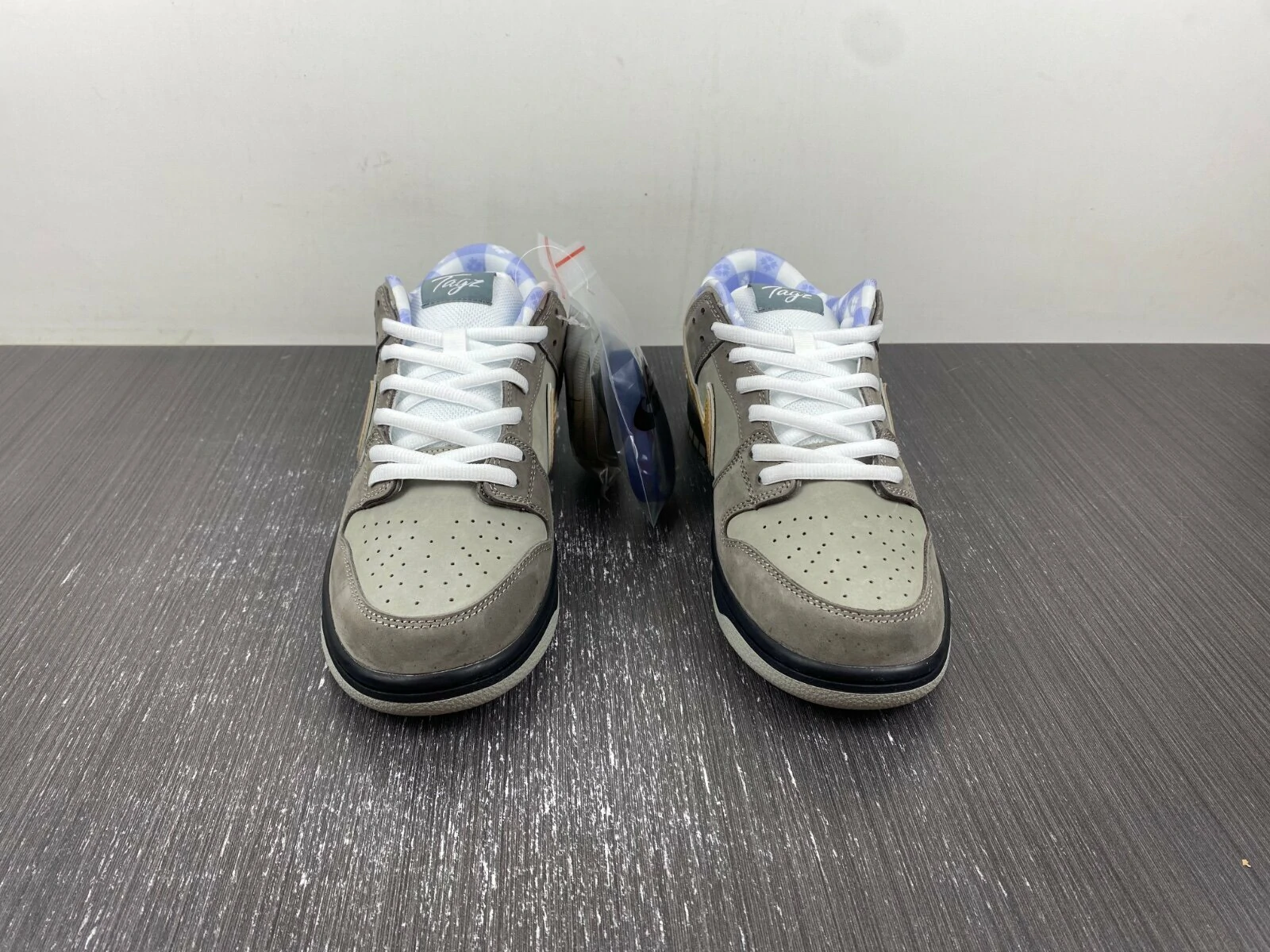
Yes, most Nike Free Runs can be washed, but the method matters more than the permission. The foam midsole and the adhesive bonding it to the upper are the fragile parts, and heat does the most damage. Cold water, a soft brush, and mild soap handle nearly every pair that comes through an intake bench.
So can you wash nike free runs that smell like a gym bag or carry road-salt stains? Usually yes, and the steps below are the ones shop owners and online sellers keep coming back to. This guide covers what the shoe is built from, when hand washing beats a machine, how to dry a pair without cooking the glue, and which mistakes quietly cost you resale value.
What Free Run Construction Means for Washing
The line has changed a lot since the early 2010s, but the build has stayed consistent: a soft foam midsole with deep flex grooves, a mesh or knit upper, and thin glued overlays. A Free Run 2 from 2012 and a Free RN Flyknit from 2019 share the same care rules. None of those materials fear water, and a wet walk home does not shorten a shoe's life.
Heat and agitation are the real risks. Warm water softens adhesive at the midsole edge, and a hot dryer can shrink a knit upper and leave foam compressed and creased. Tumbling also bends the shoe in directions the glue line was never designed to flex. That is why every sensible routine starts cold and ends with air.
Hand Washing in Six Steps
The question comes up at intake constantly: can you wash nike free runs at home, or does the pair need a professional? The answer depends on the upper. Knit and mesh tolerate a full hand wash, while leather trims and printed overlays do better with spot cleaning only.
- Pull the laces and insoles out. Wash them separately in warm water with a drop of detergent, then let them air dry flat.
- Knock loose dirt out of the tread, then brush the dry shoe with a stiff brush. Dry brushing lifts more grit than wet brushing.
- Mix a few drops of mild dish soap or a dedicated shoe cleaner into a bowl of cool water.
- Dip a soft brush, shake off the excess, and work the upper in small circles. Keep the shoe damp rather than soaked.
- Wipe off the soap with a microfiber cloth rinsed in clean water. Repeat on stubborn spots instead of scrubbing harder.
- Stuff the shoe with paper towels and air dry at room temperature for 12 to 24 hours.
A final pass with a damp cloth on the midsole removes most scuffs. For rubber outsole edges, a melamine sponge works well, but keep it off painted or printed surfaces. Skipping the rinse is the most common reason a washed pair dries with faint white streaks along the seams.
Machine Washing Versus Hand Washing
The machine version of the question, can you wash nike free runs in a drum, gets a shorter answer: sometimes, and only cold. A front-loader on a gentle cycle, with the shoe sealed in a mesh laundry bag and a towel or two to cushion the drum, is the least risky version. A top-loader with a center agitator is a different story, since the paddle can catch a knit upper and stretch it.
| Method | Best for | Risk to the shoe | Drying time |
|---|---|---|---|
| Spot cleaning | Light scuffs, printed overlays, leather trims | Low | 1 to 3 hours |
| Full hand wash | Knit and mesh uppers, heavy odor, salt stains | Low to moderate | 12 to 24 hours |
| Machine wash, cold, bagged | Mesh models with no visible separation | Moderate | 12 to 24 hours |
| Professional cleaning | High-value pairs, mixed-material builds | Lowest | 1 to 3 days |
Those time frames are typical ranges for planning only, so confirm turnaround with whoever handles your cleaning. For inventory work, treat the hand wash as your default and let the machine stay an exception for sturdy, low-value pairs.
After the Wash: Drying and Odor Fixes
The hours after the wash decide whether the pair looks fresh or tired. None of that changes the basic answer to the question can you wash nike free runs, but it does change what the pair brings on the shelf.
Drying without heat
Stuff the toe box with paper towels and swap them out after a few hours. Stand the shoes upright in a room with moving air, and keep them out of direct sun, off radiators, and away from space heaters. A box fan speeds the process without adding risk.
Neutralizing odor
Washing removes surface bacteria but not always the smell trapped in the lining. A light dusting of baking soda left overnight, then vacuumed out, handles most cases. Replace the insole if the odor survives two rounds, since foam holds smell longer than fabric does.
Yellowed midsoles
Yellowing comes from oxidation, not dirt, so soap will not fix it. A mild midsole brightener applied evenly and rinsed well can lighten it, but results vary with foam age. Disclose whatever yellowing remains in the listing instead of promising a like-new look.
Mistakes That Cost You Resale Value
The real question is not can you wash nike free runs but how much agitation the upper can take. Sellers who treat washing as a yes-or-no decision usually learn the difference the hard way, on a pair that comes out of the drum with a lifted toe bumper.
- Using hot water. It softens adhesive and speeds up delamination along the midsole edge.
- Skipping the rinse. Detergent residue dries into streaks and attracts new dirt within days.
- Drying in sun or on a heater. Both shrink knit and warp foam out of shape.
- Bleach and harsh all-purpose cleaners. They strip color from overlays and weaken mesh fibers.
- Washing a pair with visible separation. Water works into the gap and lifts the sole further.
- Photographing damp shoes. Wet uppers shoot darker and hide scuffs you will hear about later.
For inbound inventory, a two-minute inspection before washing saves more money than any cleaning product. Flex the shoe by hand, check the glue line at the toe and heel, and look for cracks in the flex grooves. Pairs that fail that check go to spot cleaning, not the wash bowl.
Frequently Asked Questions
Can Free Runs go in the dryer?
No. Dryer heat is the fastest way to shrink a knit upper, compress foam, and loosen adhesive. Air drying with paper stuffing takes longer, but it keeps both the shape and the midsole intact.
Does washing ruin the glue?
Cool water alone rarely causes problems, but hot water, long soaking, and machine agitation can stress the bond. Keep wash time short, avoid soaking the midsole seam, and dry the pair fully before it goes back on a shelf.
Can Flyknit Free Runs go in the washing machine?
Hand washing is safer. Knit uppers snag on drum edges and agitators, and once a thread pulls, it will not sit flat again. If you machine wash anyway, use a mesh bag on a cold gentle cycle with a towel for cushioning.
How often should used pairs be washed before listing?
Wash when a pair shows visible dirt, odor, or salt rings, not on a fixed schedule. Over-washing shortens the life of the upper and fades overlays. A spot clean is enough for pairs that only need a light refresh before photos.
Will washing remove yellow stains from the midsole?
Usually not. Yellowing is oxidation of the foam rather than surface dirt, so soap has little effect. A dedicated midsole brightener can lighten it, but expect partial results and describe the condition honestly.
If you buy Free Runs by the case rather than the pair, cleaning is only half the decision. Ask for condition grades, sole photos, and a size breakdown before you commit, and put cleaning expectations in writing. Contact our team for current availability, mixed-size lots, and volume terms on used and new-condition footwear.