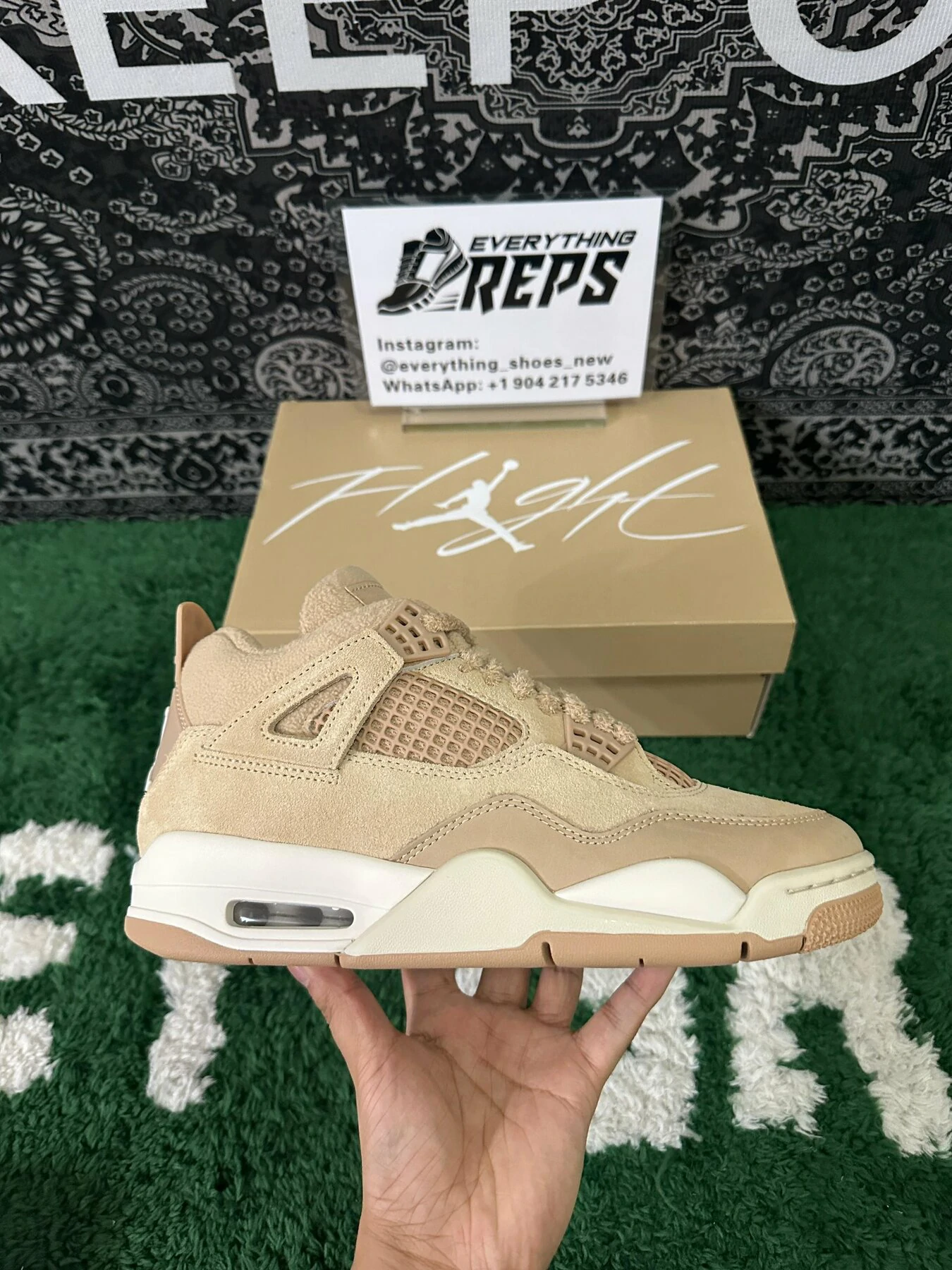
For most US Shops, the air Jordan 1 low x travis scott reverse mocha raffle is a retail release mechanism, not a wholesale buying channel. Winning one pair at retail does not create a repeatable supply line, and it should not be planned into open-to-buy as if it were. This guide covers how the raffle affects Sourcing, authentication, pricing, and the questions to ask before you take on stock.
A raffle pair is a single unit, often tied to a retail account, a pickup window, and a customer name. That makes it useful for studying demand, but poor for building bulk inventory. Independent stores need a source that can repeat sizes, colors, and quantities without relying on one drop.
The air jordan 1 low x travis scott reverse mocha raffle can still affect your business indirectly. Customers who miss out may ask you to source a pair, and that request tells you which sizes are moving in your market. Treat it as a signal, then buy from a channel you can verify.
Wholesale lots, consignment, and customer buys each carry different risk. A raffle is transparent about retail price but opaque about supply; a wholesale lot is the opposite. Your job is to match the channel to the risk you can manage.
What the Release Says About Local Demand
Demand for this colorway has kept more attention than a typical general-release Jordan 1 Low. That does not mean every US store should stock it. A raffle entry list reflects national attention, while your sell-through depends on local customers, size curve, and price sensitivity.
Use the air jordan 1 low x travis scott reverse mocha raffle as a demand signal, not a purchase order. Check how many customers ask for the model by size, whether they want deadstock pairs or wearable pairs, and what they are willing to pay after fees. If you cannot answer those questions, wait.
A smart test is to take one or two pairs on consignment before committing cash. That gives you real sell-through data without tying up working capital. If the pairs sit, you have learned something cheaper than a bulk buy.
| Channel | What you get | Main risk | Best use |
|---|---|---|---|
| Brand raffle or retail release | Single pairs at retail, limited sizes | No repeatable supply | Demand research and customer service |
| Aftermarket or consignment | Specific sizes, faster access | Authentication and price swings | Filling confirmed customer requests |
| Wholesale lot | Volume and size runs | Provenance, condition, and margin | Stores with a proven local buyer base |
| Customer buyback | Used or deadstock pairs | Condition and legitimacy | Local trade-ins with clear inspection |
Authentication Checks That Matter
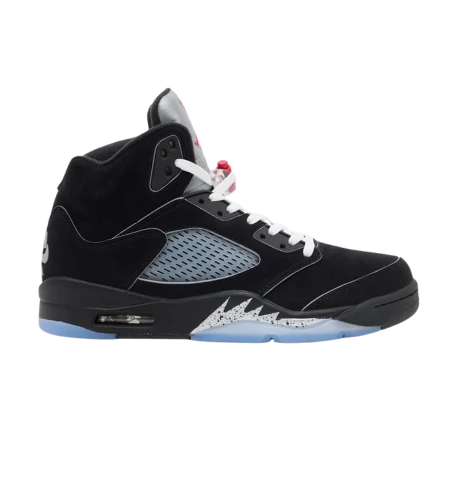
No single detail proves a pair is authentic. Build a file for every pair: box label, size tag, tongue tag, stitching, swoosh shape, midsole paint, and receipt if available. Compare against known-retail pairs, not only social media photos.
When a customer brings in a pair from the air jordan 1 low x travis scott reverse mocha raffle, ask for the original receipt and the raffle confirmation if they have it. Those documents are not proof on their own, but they add context. If the story changes, slow down.
Pay for a professional legit check on any pair above your normal risk threshold. The fee is small compared with the cost of a bad review or a chargeback. Keep the report with the inventory record.
Pricing and Margin Guardrails
Price from sold comps in your size and condition, not from asking prices. Filter out outliers, note the date of each sale, and subtract marketplace fees, shipping, authentication, and returns. A pair that looks profitable at the asking price can lose money after costs.
Do not price a pair from the air jordan 1 low x travis scott reverse mocha raffle off one sold listing. Use a range, then set a floor below which you will not buy. Many shops target a 30% to 50% gross margin on trend shoes, but the right number depends on your rent, tax, and sell-through speed; confirm it with your accountant.
Hold time is a real cost. If a pair is likely to sit for months, either pass or price it as a slow-moving item. Cash tied up in one hyped shoe cannot buy the basics that pay the rent.
A Buying Checklist for Store Owners
Before you commit cash to this model, run the same checks you would use for any trend item. The list below is deliberately short; it is meant to be used, not filed away.
- Confirm the exact colorway, size, and condition in writing.
- Ask for the source story, receipt, and raffle confirmation when available.
- Check sold comps for the same size and condition, not just any size.
- Calculate landed cost with fees, shipping, authentication, and returns.
- Set a maximum buy price and a walk-away point before you negotiate.
- Inspect the pair in person or use a trusted legit checker before payment.
- Record the supplier, date, cost, and authentication result in your inventory file.
A supplier who cannot answer basic provenance questions is not a bargain. Good wholesale relationships are built on repeatable specs, clear terms, and returns policies you can live with. If the deal only works because the price is low, the risk is probably sitting in the pair.
FAQ
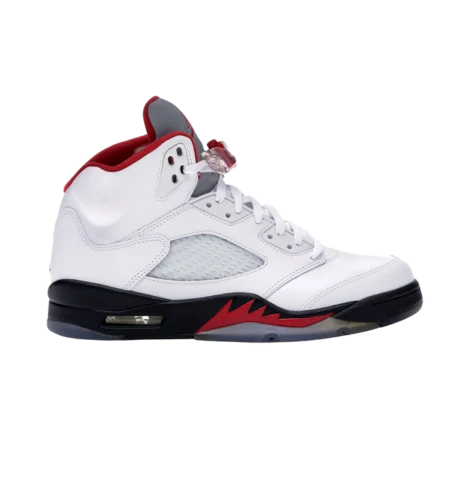
Can I buy this model at wholesale from Nike?
This release is a retail raffle, not a wholesale program. Independent stores without a direct account should not assume access to allocation. If you need stock, work with verified resale or consignment partners and confirm provenance, condition, and return terms in writing.
How many pairs should a small shop buy?
Start with one or two pairs only if you have a confirmed buyer or a strong local request history. Test sell-through before buying a size run. A small test protects cash and gives you real data on price sensitivity, size demand, and hold time.
What is the biggest authentication risk?
The biggest risk is a pair with a convincing box and receipt but inconsistent stitching, labels, or swoosh shape. Receipts can be faked or reused. Use a professional legit check and compare multiple details, not one feature, before you accept the pair.
Should I buy wholesale lots without seeing the pairs?
Avoid blind bulk buys unless the supplier has a clear inspection process and a returns policy you trust. Ask for size breakdown, condition notes, and close-up photos of labels and stitching. For high-risk models, pay for an inspection or buy a small sample first.
Before your next drop, put your sourcing plan in writing: target sizes, maximum buy price, authentication steps, and a sell-through deadline. If you are comparing suppliers for Travis Scott-era Jordan 1 Lows, request a size breakdown, provenance details, and current terms. Contact your supplier with those questions before you commit cash.