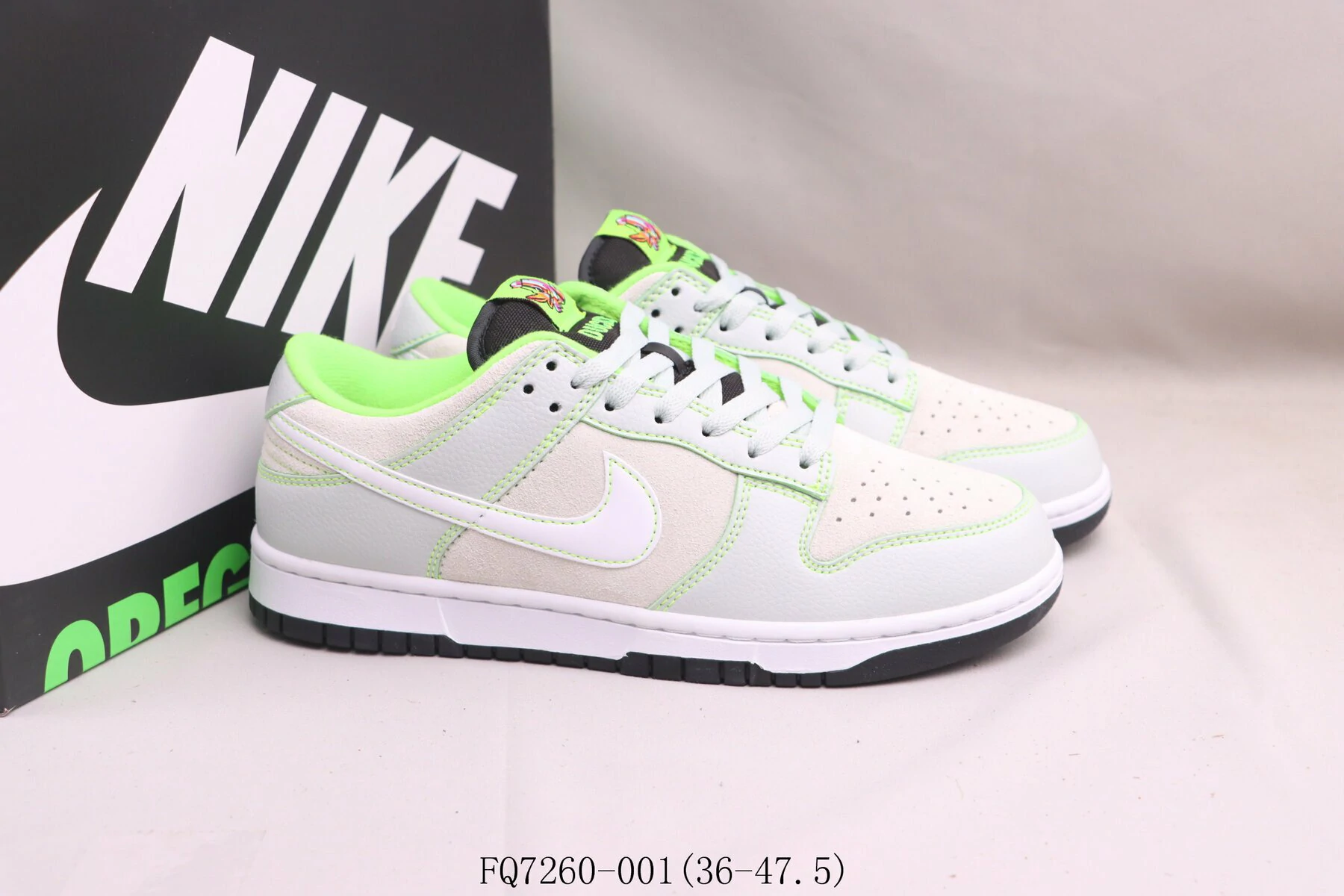
Nike does Restock Jordan 1s, but the schedule is not public and the volume is rarely enough to plan a full season around. When a buyer asks, "does nike restock jordan 1s," the practical answer is to treat restocks as opportunistic inventory, not as a standing wholesale program.
This guide is for Independent US shoe store owners, online sellers, and buyers who need to decide whether to chase a restock, wait for allocation, or Source elsewhere. It covers how restocks reach the market, what Signals are worth watching, and how to protect margin when supply is uncertain.
How Nike Restocks Jordan 1s in Practice
Nike controls release flow through its own channels and selected retail partners. A Jordan 1 restock can appear on SNKRS, in Nike stores, or through a retail account with the right allocation. The same colorway may return in a limited size run, while others never come back.
That is why the search "does nike restock jordan 1s" rarely has a simple yes-or-no answer. Restocks are often small, regional, and tied to launch calendars that change without much notice. For a small store, the key is to separate a real buying opportunity from social media noise.
Direct Channels and Retail Allocation
Direct-to-consumer releases and retail allocations are not the same supply line. A SNKRS restock may sell through in minutes and never reach a wholesale buyer. A retail partner allocation may be larger, but it usually comes with account requirements and seasonal planning.
Independent stores should confirm which channel is actually behind a restock before they budget for it. If the release is direct-only, your supply plan needs a different source. If it is a partner allocation, ask for the style code and size run early.
Why Restocks Are Not a Wholesale Program
Nike does not publish a standing restock calendar that small shops can buy against. Restocks are release decisions, not a recurring wholesale catalog. That distinction matters when you are setting open-to-buy and projecting cash flow.
Buyers who treat every restock as guaranteed supply often overcommit. A safer approach is to plan core basics separately and keep restock budget in a smaller, flexible bucket. That way a delayed or canceled release does not break your monthly plan.
Restock Signals That Matter to a Small Store
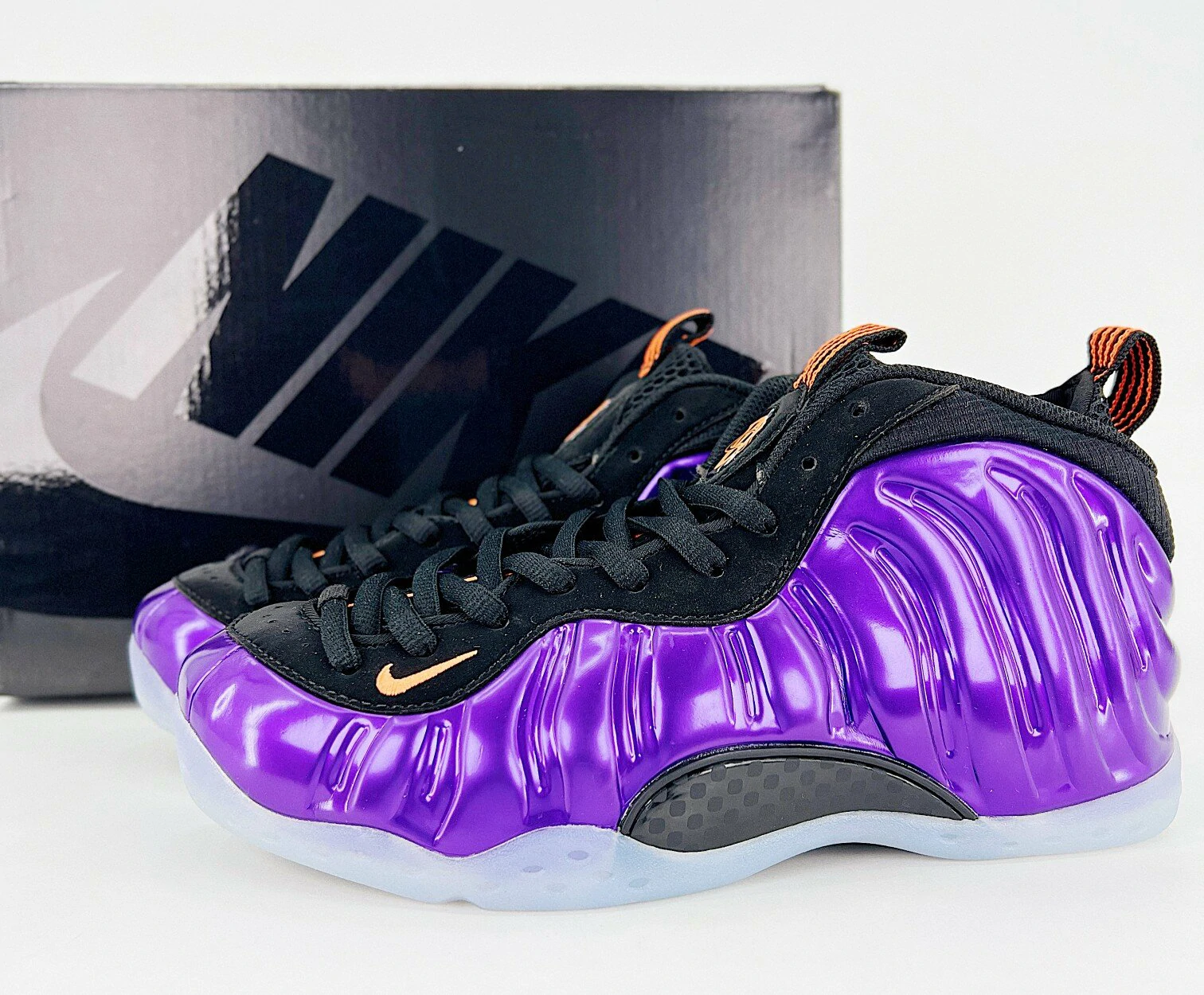
Launch calendars, app notifications, and retailer emails are the basic signals. A confirmed date on a major platform is stronger than a screenshot from a group chat. Look for size-run details, purchase limits, and whether the release is in-store, online, or both.
If you are planning cash around a drop, keep the question "does nike restock jordan 1s" in view before you commit to a large buy. A restock signal is useful only if you can convert it into sellable pairs at a margin that covers returns, fees, and markdowns.
Style codes and size runs are the details that separate a real buying opportunity from a headline. A restock of men's US 9 to 11 may sell well in one market and poorly in another. Compare the offer with your own sell-through history, not with a national average.
| Signal | What It Suggests | Buyer Action |
|---|---|---|
| Official launch calendar entry | Higher confidence than rumor | Confirm account eligibility and size run |
| App or email alert | Release is close, but allocation may be limited | Check purchase limits and shipping windows |
| Retail partner post | Regional supply may exist | Ask for style codes and authentication details |
| Resale volume spike | Sellers expect supply or demand to move | Do not chase without a sell-through plan |
Buying Checklist for Jordan 1 Restocks
Restocks reward buyers who prepare before the drop. Start with your open-to-buy budget, then decide which sizes and colorways your customers actually ask for. A restock that fills a gap in your size curve is more valuable than a hyped pair that sits on the shelf.
When the question is, "does nike restock jordan 1s," a simple rule is to buy only what you can sell at full price within 30 to 45 days. That window is a planning guide, not a guarantee, so adjust it to your local sell-through and return rate.
Supplier checks should happen before price negotiation. Ask for the business name, return policy, authentication process, and references from buyers in your category. A supplier who cannot explain those basics is not a safer source just because the restock story sounds urgent.
- Confirm the style code, colorway, and size run before you send payment.
- Ask whether the supplier offers a written return policy for authentication issues.
- Compare landed cost, not just unit price, including freight and payment fees.
- Check recent sold comps for your sizes, not only the headline colorway.
- Set a maximum buy quantity that matches your cash flow and storage space.
Common Mistakes When Chasing Restocks
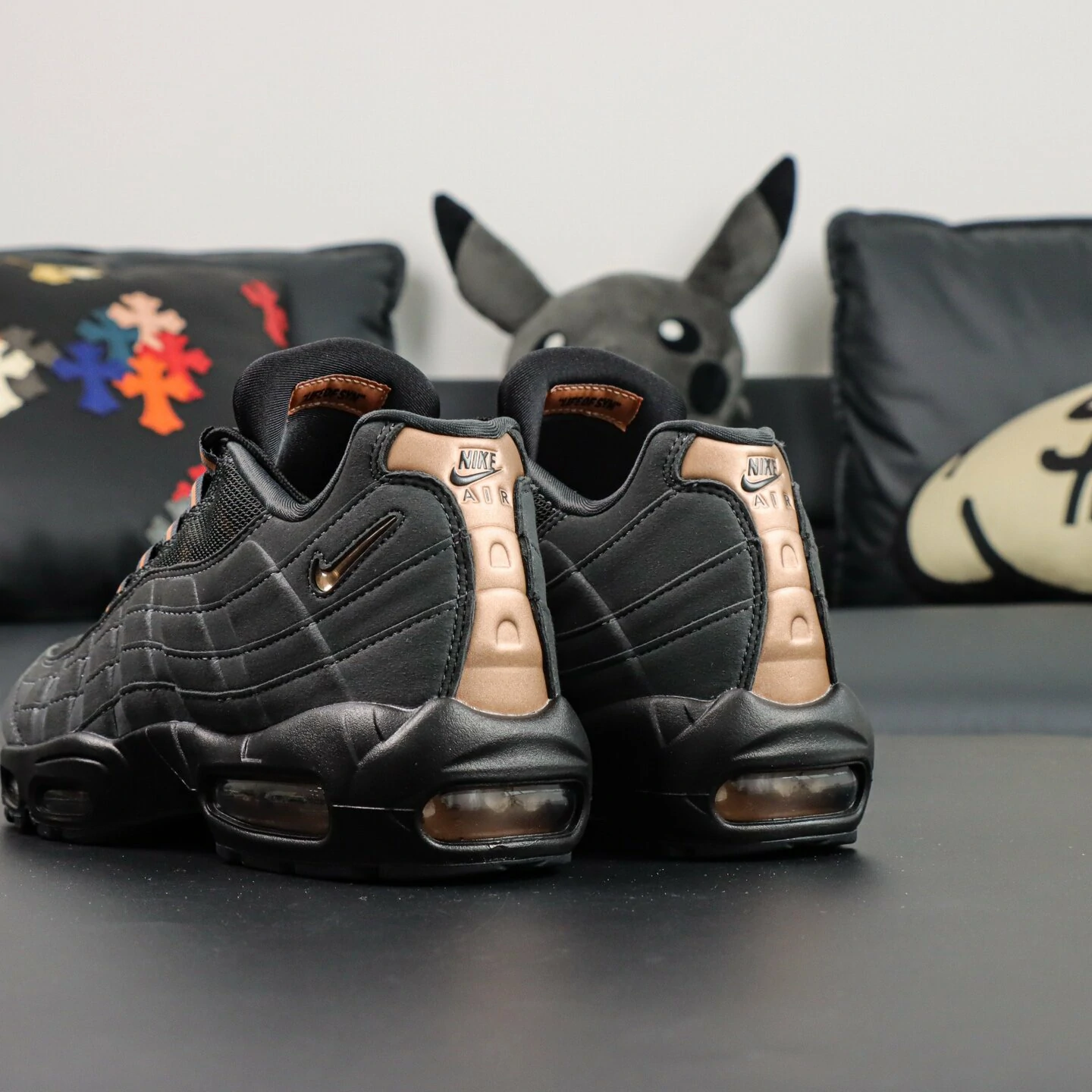
Many buyers search "does nike restock jordan 1s" after a drop has already sold out, then pay a premium for unverified stock. That is a margin trap. A restock rumor is not the same as confirmed supply, and a low unit price is not the same as a safe purchase.
Another mistake is ignoring size-level demand. A full size run may look attractive on paper, but your market might only support men's US 8 to 11. Carrying the edges of the run can turn a good buy into slow-moving inventory.
Authenticity checks matter more when stock comes from resale or closeout channels. Ask for original box photos, style codes, and a clear return window. If a deal skips those basics, treat it as a pass, even if the restock story sounds credible.
Chasing every rumor also burns staff time. Assign one person to verify launch details, supplier terms, and landed cost before anyone sends a deposit. A written buy sheet keeps the decision tied to margin instead of urgency.
FAQ: Restocks, Allocations, and Buying Decisions
Does Nike restock Jordan 1s every year?
Nike does bring back Jordan 1 colorways from time to time, but there is no public promise of an annual restock for every model. Some pairs return through SNKRS or retail partners, while others stay limited. Track official launch channels and confirm details with your supplier before you plan a buy.
How can a small store get Jordan 1 restock supply?
Start with your existing distribution relationships and ask for style codes, size runs, and account requirements. Without a Nike account, you may need authorized wholesale or verified resale channels. Check authentication terms, return policies, and landed cost before you commit. Do not rely on a single restock rumor.
Are Jordan 1 restocks good for wholesale margin?
They can be, but only when the buy price leaves room for returns, fees, and markdowns. Restocks often arrive with limited size runs, so sell-through by size matters more than the headline colorway. Set a maximum buy and test demand before you scale. Confirm all costs with the supplier.
Should I buy restock pairs from resale platforms?
Resale can fill gaps, but it carries authentication and return risk. Buy only from platforms with clear inspection policies and written buyer protection. Compare the final cost with your target retail margin. If documentation is weak, pass and wait for a cleaner source.
If you are mapping Jordan 1 restocks into your next open-to-buy plan, send your size run, target colorways, and delivery window to your supplier before the next launch. A clear brief gets you a faster answer on availability, authentication terms, and landed cost.