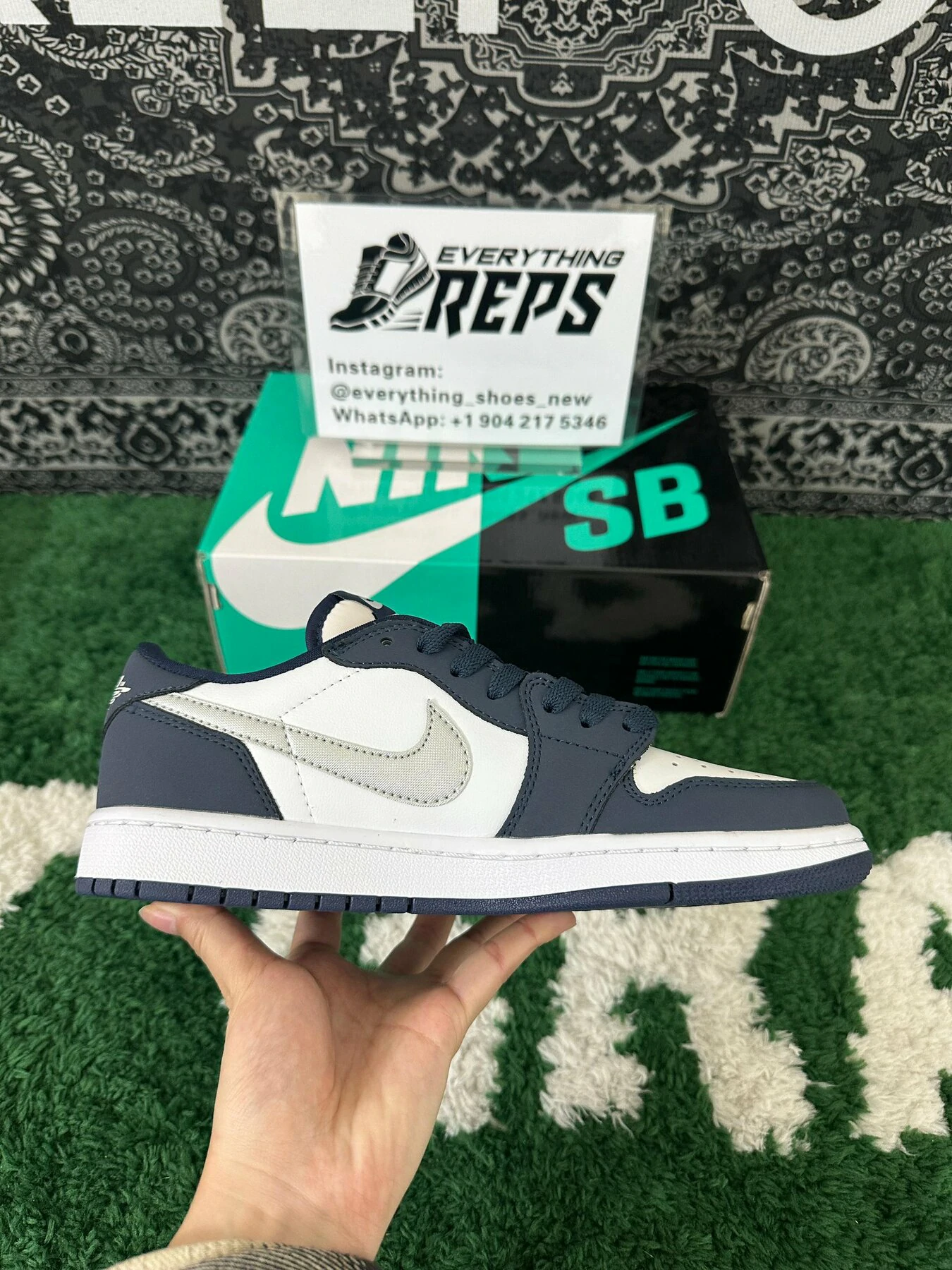
The Jordan 1 Low Mushroom is a tonal tan low-top that sells on versatility rather than hype. It pairs with denim, reads clean in photos, and does not scare off customers who avoid loud colorways. For a shop, that usually means steady replacement demand instead of a single launch-week spike.
What follows covers the materials you are likely to receive, how the shoe fits next to the other low-tops on your wall, the checks to run before you pay a supplier, and how to build an opening order that does not leave you holding size 11s in June.
What You Are Actually Selling
Mushroom sits in the warm grey-tan range, closer to taupe than to brown. It is a quiet color, and quiet colors live or die on material quality. Flat, shiny leather makes the whole shoe look cheap; a soft nubuck overlay against a matte base makes the same palette look expensive.
Jordan 1 Low builds are not uniform. Standard, SE, and OG versions use different material mixes, and the same colorway name has landed on more than one build over the years. Ask your supplier for the style code on the box label plus a close-up of the overlay, then compare both against a retail pair before you commit to volume.
Most pairs of the Jordan 1 Low Mushroom work as an everyday shelf shoe rather than a display piece. That changes how you merchandise it. Put it next to denim and earth-tone apparel, not in the glass case, because the customer buying this colorway is usually replacing a worn-out pair instead of chasing a drop.
Fit and Sizing Before You Commit to a Size Run
Length runs true on most Jordan 1 Low builds. The squeeze point is the midfoot and toe box, which feel snug on wider feet. Have customers try their normal size first, then go up a half size only if the pinky toe presses against the upper.
Break-in is short. Leather and nubuck soften within a week of daily wear, so a pair that feels slightly firm at try-on is normally fine. Do not let anyone jump two full sizes to solve a width problem, since that just creates heel slip and a return.
| Silhouette | Fit note | Who it suits | Stocking read |
|---|---|---|---|
| Jordan 1 Low Mushroom | True to length, snug through the midfoot | Everyday wear, denim, earth tones | Steady low-hype sell-through |
| Jordan 1 Low OG | Slightly roomier toe box | Repeat buyers and collectors | Faster on launch, thinner margin |
| Nike Dunk Low | Similar length, wider forefoot | Customers with wide feet | Broad demand, crowded shelf |
| Jordan 1 Mid | Higher collar, half size up is common | Fall and winter buyers | Slower through summer |
In most US shops, the demand curve on tan low-tops is lopsided. Small and mid sizes clear quickly while the largest sizes sit for months. That pattern holds for the Jordan 1 Low Mushroom as well, which is why the shape of the opening order matters more than the total unit count.
Quality and Authenticity Checks Worth Doing
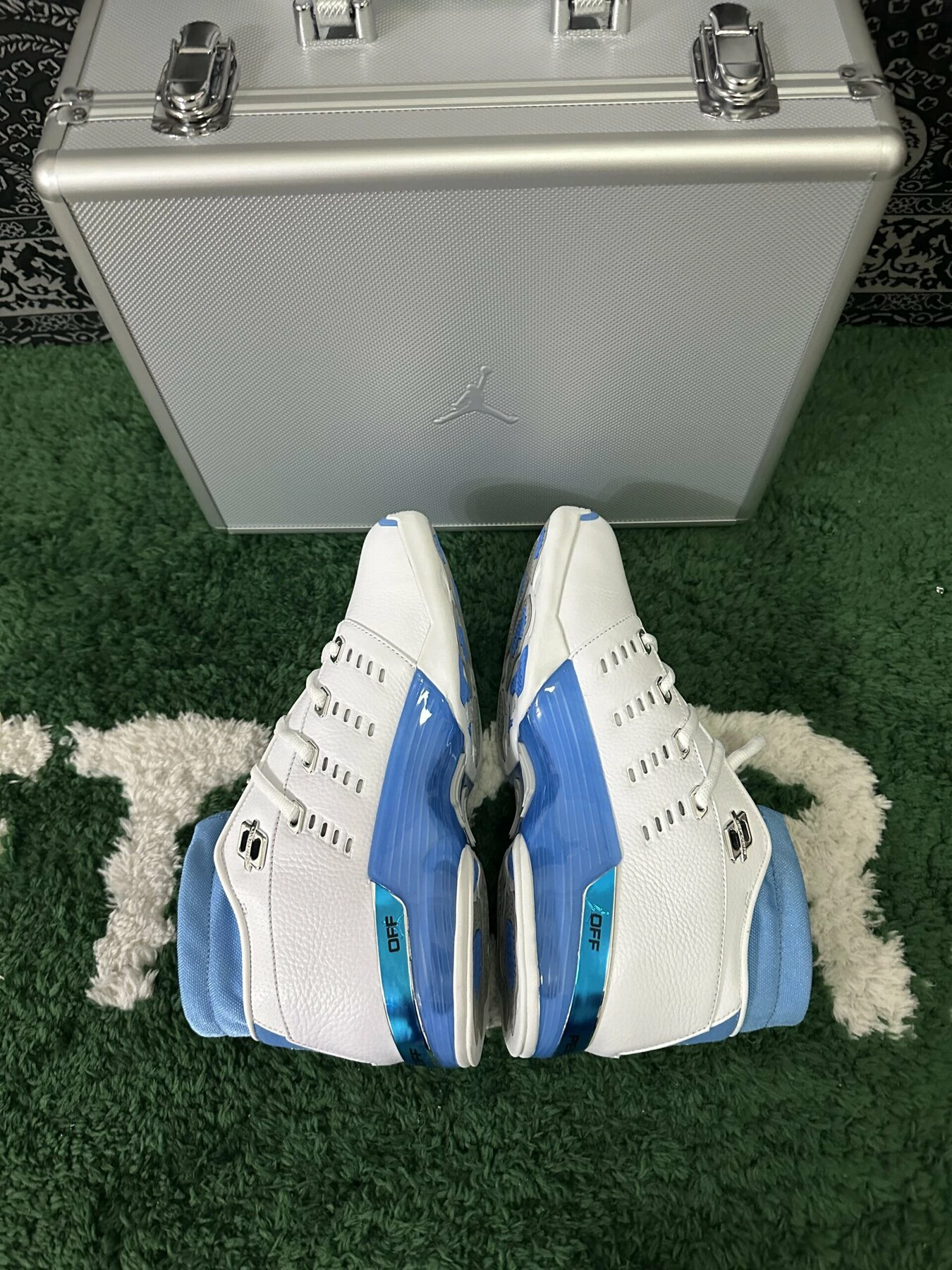
Every pair that arrives from a new supplier should get the same five-minute inspection. On a Jordan 1 Low Mushroom, the details worth checking are the ones that are expensive to fake well: overlay thickness, stitch density, and print quality on the size tag.
- Match the style code on the box label to the tag inside the tongue, including the color code. They should be identical.
- Look at stitch spacing along the swoosh. Uneven gaps or doubled stitching point to a rushed build.
- Check the midsole paint line where it meets the upper. Overspray and wavy edges are common on low-grade pairs.
- Press the overlay with your thumb. Real nubuck has a short nap that shifts; cheap synthetic stays flat and slick.
- Weigh one pair against a known retail pair. A large gap usually means a thinner midsole or substituted materials.
- Request photos of the insole print and tongue tag, not just the lateral side. Weak pairs get exposed there first.
Photos are not enough on a first order. Buy two or three samples, run them through a legit-check service or a local authenticator, and only then discuss volume. A supplier who refuses sample sales or returns on failed authentication is not worth the risk, however good the price list looks.
Building an Opening Order That Moves
Start narrow and deep. Two colorways in a tight size run will outsell six colorways at two pairs each, because customers can actually find their size. Keep the bulk of a tan low-top order in the sizes that already sell for you and treat the extremes as test units.
Wholesale pricing for Jordan 1 Low stock usually arrives as a tiered list, with per-style minimums that drop as quantity rises. Entry minimums commonly land in the low dozens per style, though this varies by supplier and by whether the stock is current-season or closeout. Treat any figure you hear as a starting point and confirm it in writing, along with freight terms and who pays duties.
Landed cost is where small shops get surprised. Freight, insurance, and import duties can add a meaningful percentage to your unit price, and the rate depends on classification and country of origin. Ask a customs broker for a landed-cost estimate before you sign, then price retail off that number rather than the FOB quote.
Because the Jordan 1 Low Mushroom leans neutral, it tends to sell through slowly and predictably. Cash flow discipline beats margin chasing here, so a smaller order you can repeat usually outperforms one big bet on a full run.
FAQ
Does the Jordan 1 Low run true to size?
Yes for most wearers. Length is standard, and the shoe feels snug only through the midfoot. Anyone with wide feet should try a half size up rather than a full size, and you should still point customers to the official size chart before they order online.
Are these pairs released in women's sizing?
Some releases in this palette ship on women's size runs, sometimes with men's equivalents listed alongside. That changes how you label the shoe on the shelf and on your product page. Confirm the size run from the box label before you list, and convert carefully so nobody orders a size and a half off.
How much should a shop expect to pay per pair?
It depends on tier, season, and whether the stock is current or closeout, so no single number is worth quoting. Ask for a written price list with quantity breaks, then add freight, duty, and payment fees before comparing it to your planned retail. Confirm every figure with the supplier.
Can I verify authenticity without a middleman?
You can catch obvious fakes with the checklist above, but convincing counterfeits need a trained eye. Budget for third-party authentication on first orders, keep the reports on file, and use them to build a shortlist of suppliers who pass consistently over several shipments.
Send over your size run and target quantity, and our team will put together a quote with style codes, material callouts, and current availability attached. Samples first, volume second. That order of operations has saved more independent shops than any price list ever has.