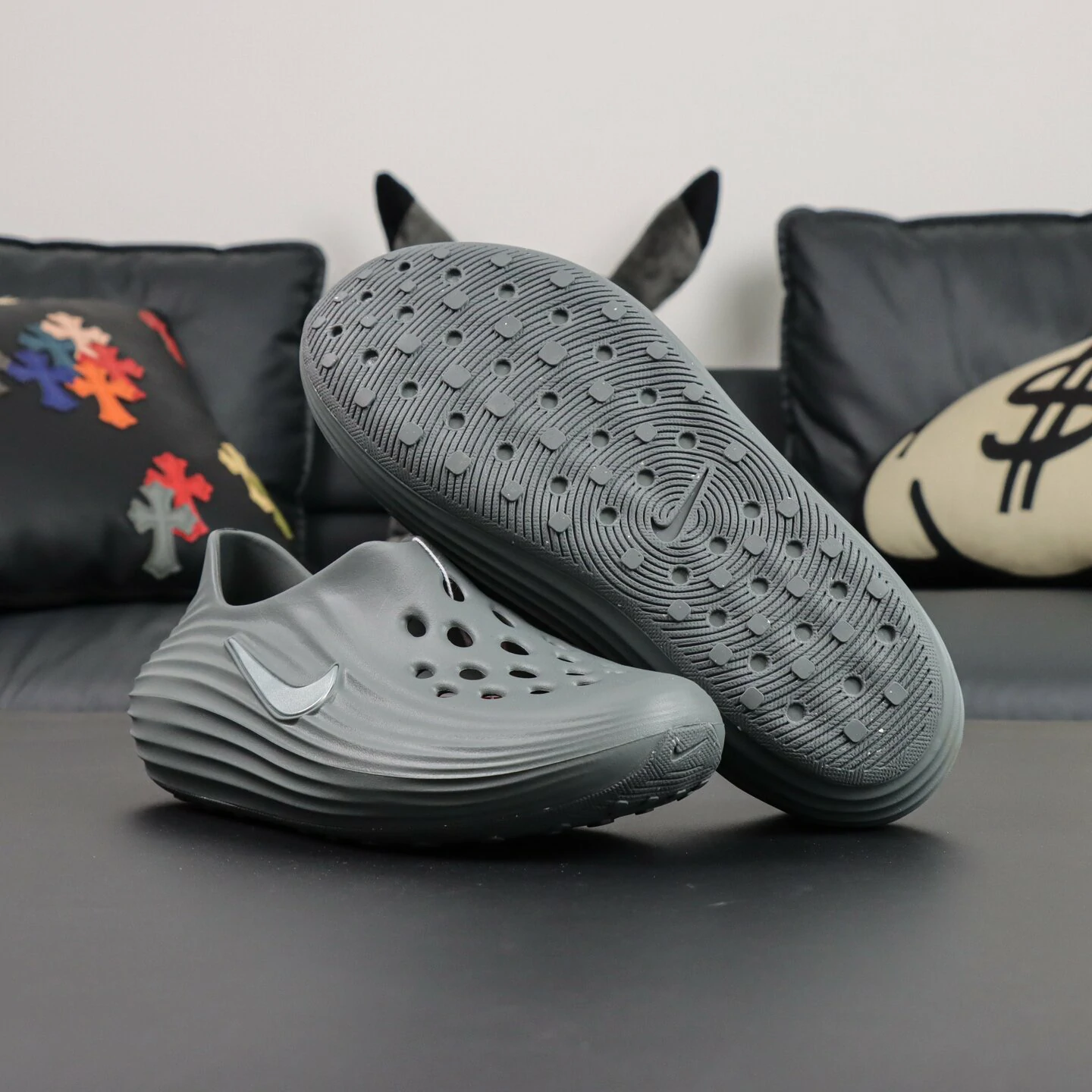
The query “does nike hate resellers” usually starts with a canceled order, a short launch allocation, or a closed account. No, Nike does not hate resellers as a group; it hates resale that weakens launch control, full-price sell-through, and authorized distribution. This Guide covers what triggers enforcement, how supply routes differ, and how US buyers can source without gambling with an account.
What Nike is actually protecting
Nike's concern is channel control. A pair sold through an approved retailer at full price supports forecasting, marketing, and future allocation. The same pair dumped online at a deep discount can undercut nearby accounts and train customers to wait for markdowns.
Launch product makes this sharper. Limited drops attract bots, backdoor bulk buys, and retail arbitrage. Those orders create empty shelves and angry shoppers, so Nike and its retail partners tighten purchase limits and cancel orders that look commercial rather than personal.
That behavior is not the same as opposing resale in every form. Closeout buyers, liquidation buyers, and licensed distributors move excess inventory that would otherwise sit. The useful line is whether the stock comes through an approved channel and follows the terms attached to it.
Authorized stock, arbitrage, and gray-market lots

Three supply routes get mixed together in casual conversation, but they carry very different risks. The table below is a starting point for a store owner reviewing a supplier or an internal purchase plan.
| Supply route | How it usually works | What Nike sees | Main buyer risk |
|---|---|---|---|
| Authorized wholesale | Approved account, seasonal buy, agreed terms | Controlled distribution | Allocation changes; markdown pressure |
| Retail arbitrage | Buying launch stock from other retailers | Bulk retail buying | Canceled orders; bans; thin margin |
| Closeout or liquidation | Excess stock, mixed lots, documented manifests | Usually outside launch control | Broken sizes; condition issues; fakes |
| Overseas factory offer | Direct shipment with low minimums | Unverified channel | Counterfeits; customs; no recourse |
Authorized wholesale is the cleanest route, but it is not open to every small shop. Closeout and liquidation can fill gaps if the paperwork is solid. Retail arbitrage is the route most likely to collide with purchase limits, and overseas factory offers deserve extra scrutiny because the brand does not sell through random factories.
Where independent shops get flagged
Most account problems start with small habits, not one dramatic purchase. A store buys ten pairs of a hot launch from a local retailer, lists them before release day, and repeats the pattern. From the outside, that looks like a business buying retail stock for resale, which is exactly the behavior purchase limits are written to stop.
Watch for these red flags in your own buying routine:
- Buying launch product from other retailers for resale.
- Using bots, multiple cards, or multiple addresses to beat purchase limits.
- Listing new releases before the official street date.
- Mixing unauthorized stock into an approved inventory without paperwork.
- Paying cash for lots with no invoice, style list, or size breakdown.
None of these require bad intent. A new buyer may think a quick flip is harmless. The problem is that the pattern is easy for a brand or retailer to spot, and the consequence can reach beyond one order.
How B2B buyers should source
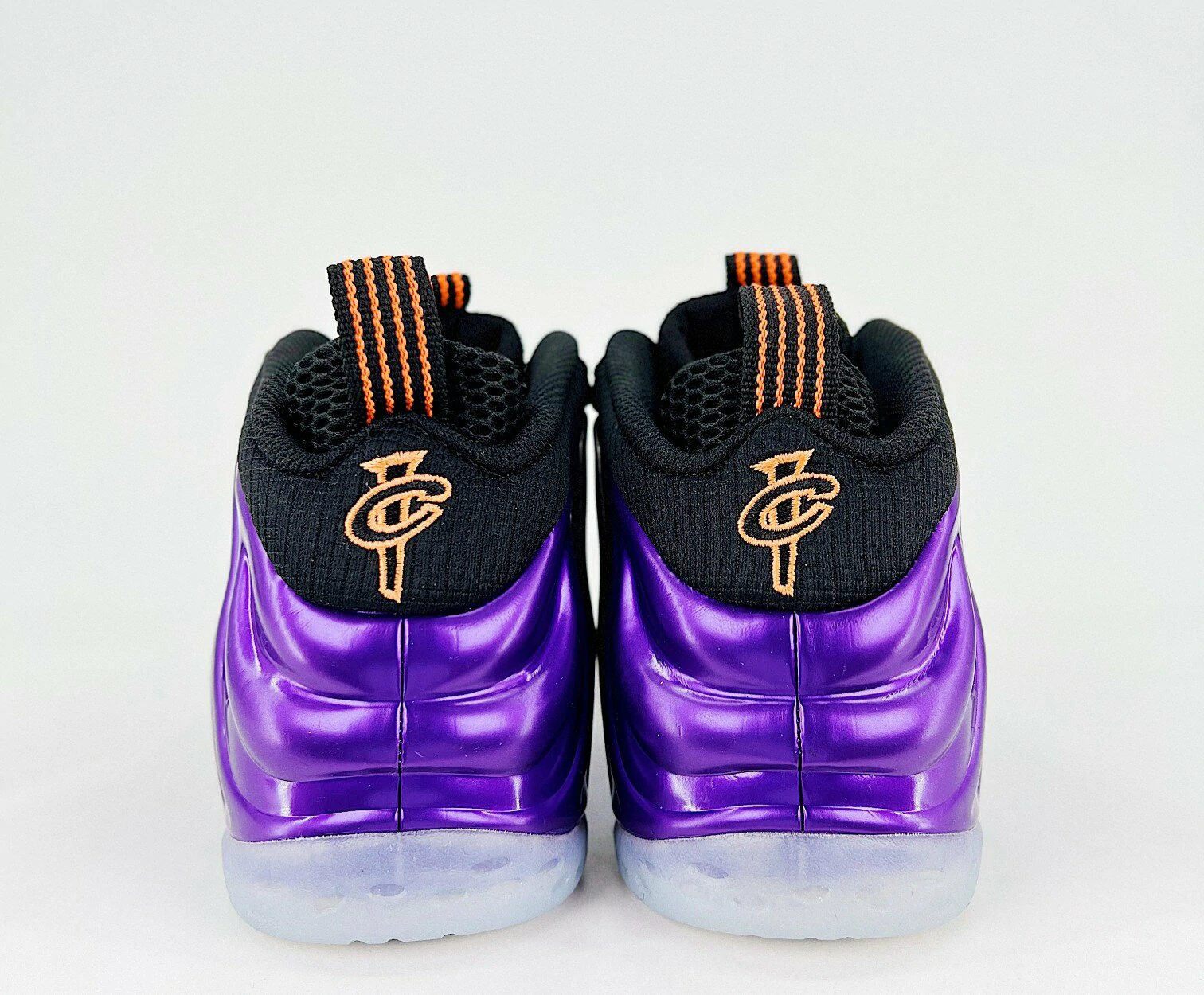
For a US shop, the safer route is boring: buy from suppliers that can document where the stock came from and accept returns for authenticity issues. Ask for an invoice trail, style and size breakdown, and condition policy. If a supplier cannot explain why a current-season launch is available below normal wholesale, treat that as a warning, not a bargain.
When buyers ask “does nike hate resellers,” the practical answer is to stay on the approved side of the line. Authorized wholesale, closeout lots with provenance, and liquidation pallets can all work. None of them require hiding what you do or creating fake retail accounts.
Start with a small test order even when the supplier looks strong. Check box condition, labels, stitching, and size tags before you list. A short delay at intake is cheaper than a chargeback, a marketplace suspension, or a customer complaint that you sold a counterfeit pair.
The margin check that keeps you out of trouble
Resale margin is not the same as wholesale margin. A genuine closeout lot may carry a low unit cost, but broken size runs, damaged boxes, and slow styles eat the spread. Build a landed-cost sheet that includes freight, processing, returns, and marketplace fees before you commit.
Authenticity checks belong in that sheet too. Ask for original packaging, compare SKUs and production dates, and use a professional authenticator when a lot is large enough to justify it. No supplier's word should replace a documented inspection process.
Instead of asking “does nike hate resellers,” ask whether your supplier can survive a routine audit. A supplier who can show invoices, answer questions about provenance, and replace problem units is worth more than a slightly lower price. That is the boring advantage most new buyers ignore.
FAQ
does nike hate resellers?
No, not as a blanket rule. Nike dislikes resale that breaks purchase limits, undercuts authorized partners, or creates launch chaos. It also benefits from a healthy aftermarket because hype drives demand. For a store owner, the useful takeaway is to avoid retail arbitrage and keep documentation for every wholesale lot.
Can authorized Nike retailers resell excess stock?
Only within their agreement. Many retail accounts have terms about transshipment, online marketplaces, and discounting. Some excess can move through approved closeout channels. Read the contract and get written approval before you list stock on a marketplace. An account manager's silence is not permission.
Is buying liquidation pallets safe?
It can be, but the risk is uneven. Ask for manifests, condition codes, and whether the lot has been cherry-picked. Verify authenticity before listing. Start with a small test lot and confirm sell-through by size. Avoid any pallet seller who refuses photos, invoices, or a clear return policy.
Need a sourcing plan that fits your store's size curve and cash flow? Contact your supplier or request a current wholesale list, then compare landed cost, authenticity policy, and reorder support before you place a first order.