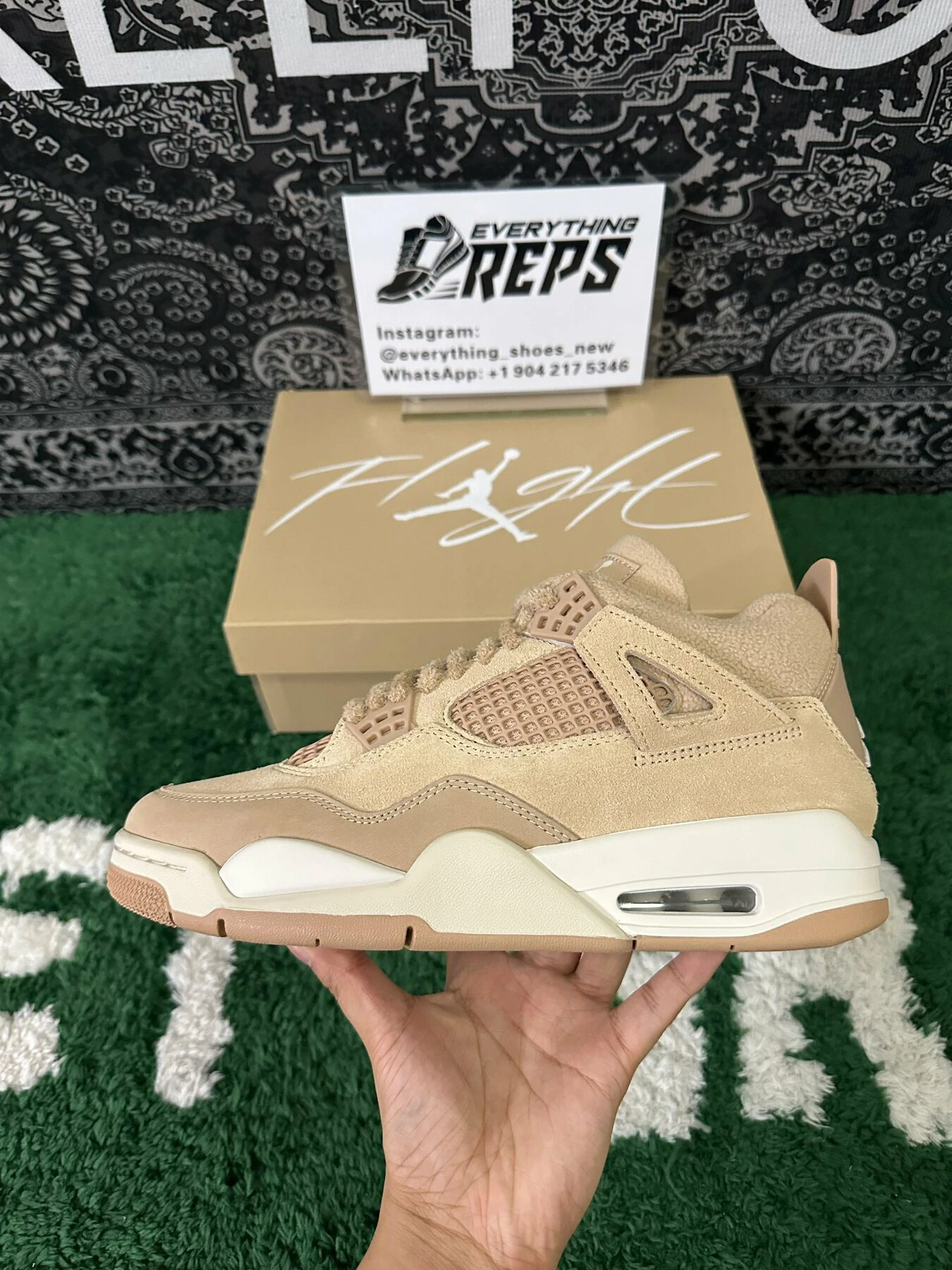
The Jordan 1 low glow is not a single, fixed SKU for most buyers. It is a search term shoppers use for Air Jordan 1 Low pairs with glow-in-the-dark details or high-visibility green accents, and the two are not always the same thing. For a US shop, the real question is whether the pair you are Buying actually glows, fits your size run, and can sell at a margin you can defend.
This guide covers colorway Checks, fit planning, supplier Intake, authentication signals, and listing notes. It is written for store owners and online sellers who need to buy with a sample in hand, not just a product photo.
What the Name Usually Covers
Jordan 1 Low “Green Glow” is a colorway name. A glow-in-the-dark pair uses phosphorescent material on the outsole, swoosh, or other accents. Those details can overlap, but they do not always. Treat “glow” as a claim to verify, not a feature you can assume from a green color block.
A true jordan 1 low glow pair should show a consistent charge under UV light. Ask for a short video in a dark room, then compare the glow color across both shoes. If the effect looks patchy or only appears in edited photos, the listing is not ready for a bulk order.
Check the style code on the box label and size tag against the colorway name. Suppliers often use “glow” loosely in titles to catch search traffic. A mismatch between the label and the listing is a reason to pause, especially when the price sits well below other quotes.
Ask the supplier to charge the pair for the same amount of time before filming. A genuine phosphorescent Finish should fade at a steady rate, not blink once and go dark. Compare the left and right shoe side by side.
Fit and Size Run
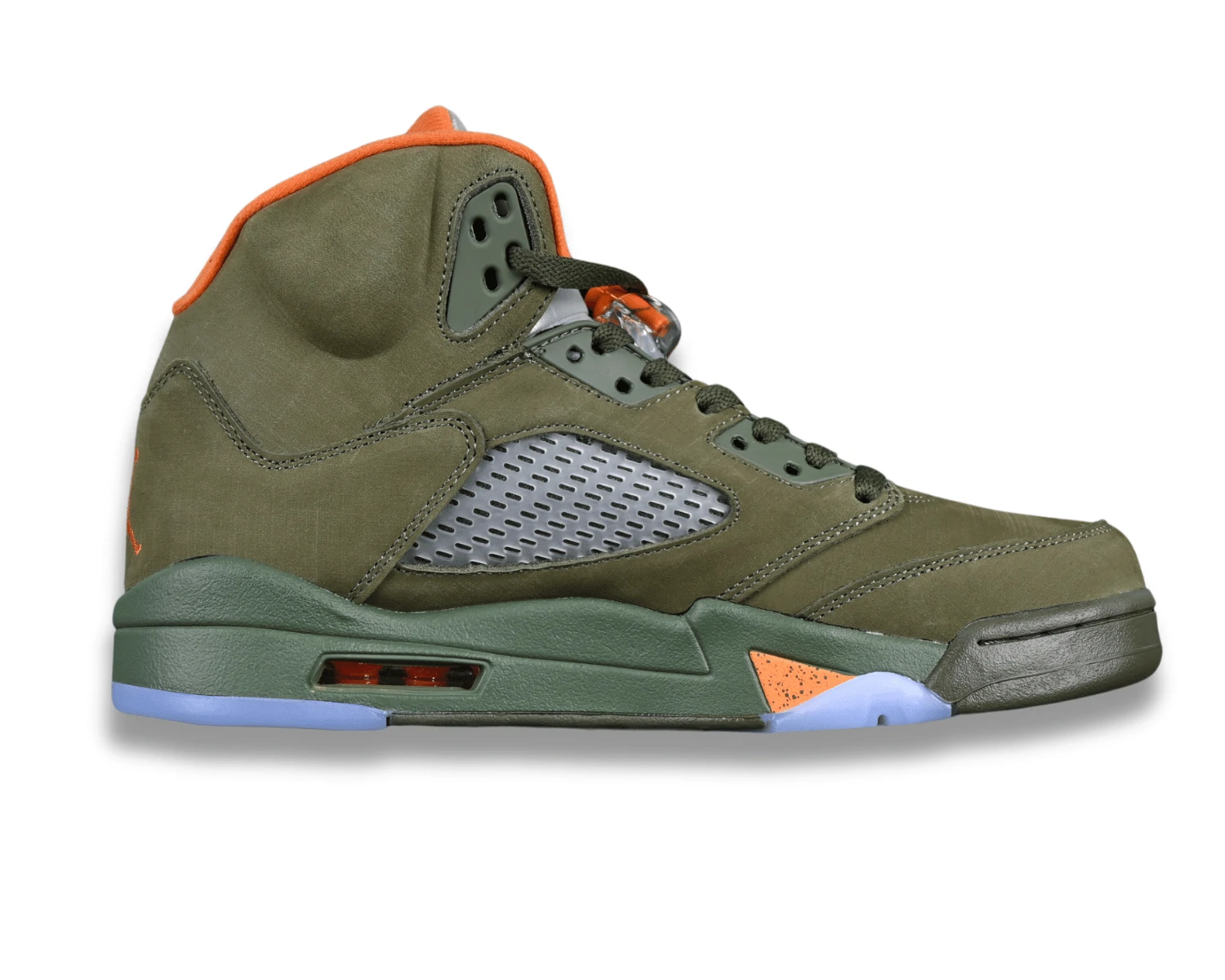
Most Air Jordan 1 Low pairs fit true to size for buyers who know their Nike size. The low-top shape is forgiving around the ankle, but the forefoot can feel snug. Wide-foot customers often go up a half size, and that habit should shape your exchange policy.
Do not build a full run from one sample pair. Test the middle sizes first, then reorder the ends based on actual sell-through. Size demand also shifts with local buyers, so compare your own sales history before you copy another store’s run.
Glow finishes can make synthetic panels feel a little stiffer at first. That is not a defect by itself, but it is worth noting in the product description. Customers should know the shoe may need a short break-in period.
| Buyer signal | What it usually means | Action for your shop |
|---|---|---|
| Customer asks for a normal AJ1 Low size | The shoe follows the familiar low-top fit for most feet | Keep core sizes deep and test half sizes with a small reorder |
| Wide-foot customer asks to size up | Forefoot pressure is the common complaint | Publish a clear exchange policy and note the half-size option |
| Women’s conversion questions | Men’s and women’s sizing labels cause confusion | Put a conversion chart in the listing and on the shelf tag |
| Buyer asks whether the pair glows | “Glow” may mean a color name or a phosphorescent finish | Request a dark-room photo or UV video before ordering |
Supplier and Intake Checks
Start with documents, not discounts. Ask for the style code, colorway name, size breakdown, box label photo, and a UV video of the actual pair. A supplier who cannot provide those basics is asking you to carry the risk.
Wholesale pricing moves with size run, colorway demand, season, and condition. There is no single fair number, so compare quotes against current retail and resale listings, then speak with a customs broker about landed cost. Freight and duty can change the math more than the unit price.
If a supplier cannot show a jordan 1 low glow pair under UV light, treat the offer as incomplete. A low unit cost is not proof of value. Slow sizes and returns can erase the margin on a shoe that looked cheap on the invoice.
Minimum order terms vary by supplier and by colorway. Get them in writing before you send a deposit. If a quote is vague about size assortments, assume you may receive a run that is heavy on slow sizes.
- Request the exact style code and colorway name in writing.
- Ask for a dark-room photo or UV video of both shoes.
- Confirm the size breakdown, not just the total pair count.
- Check box label, size tag, and insole markings for consistency.
- Inspect stitching, glue lines, toe box shape, and swoosh placement.
- Ask about returns, exchanges, and who pays return freight.
- Price the landed cost with freight and duty before you commit.
Ask for a packed carton photo before shipment. It should show the size run, box condition, and labels without revealing a different colorway. If the photo is generic or borrowed, request a new one with a dated note beside the carton.
A small sample order is still the cleanest way to judge a new source. Order two or three sizes, inspect them in person, and keep the photos on file. Use that sample as your baseline for the next bulk order.
Authentication and Quality Signals
For a jordan 1 low glow pair, begin with the glow itself. The effect should be even, and both shoes should charge and fade at a similar rate. Then check the usual AJ1 Low points: toe box shape, swoosh placement, stitch density, midsole paint, and the size tag.
No single detail proves authenticity. Use several checks together, and compare against a known pair when possible. If the deal is large, pay for a professional authentication service or a trained inspector before the goods ship.
Quality issues are separate from authenticity. Look for loose threads, uneven glue, crooked embroidery, and box damage. Those flaws affect your return rate even when the pair is genuine.
Keep a simple intake log with photos, supplier name, order date, and size run. A written record helps you spot repeat flaws and makes returns easier to discuss. It also keeps your online listings honest when a batch has small variations.
Display and Online Listing Notes
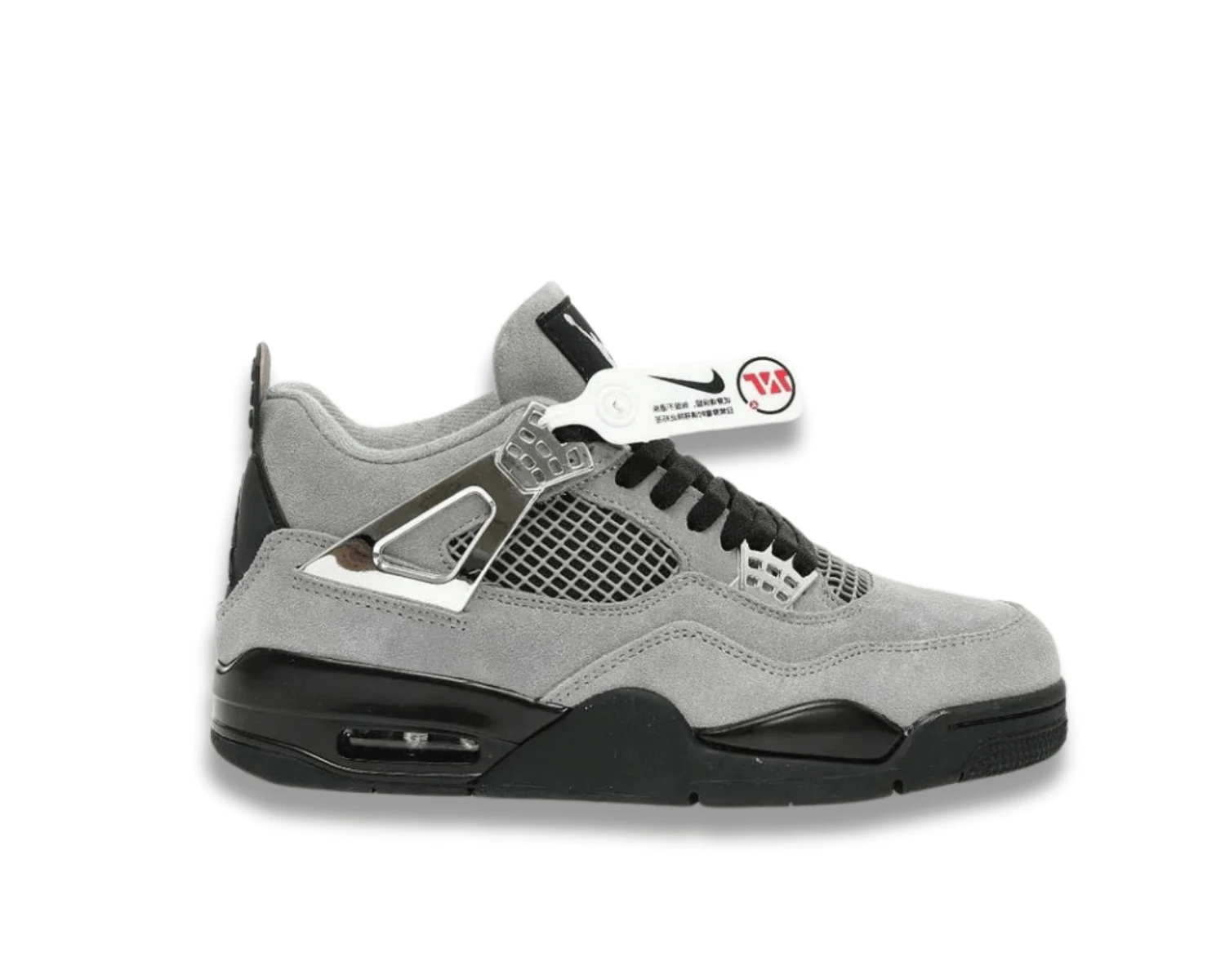
Glow does not sell under bright store lights. Use a small dark display or a UV flashlight to show the effect, and keep a plain pair nearby for comparison. Customers understand the difference faster when they can see both under the same light.
Online, use one photo under normal light and one in a dark room. Do not over-edit the glow. A realistic image reduces returns and builds trust with buyers who cannot hold the shoe.
Write the listing in plain terms: “glow-in-the-dark outsole” or “Green Glow colorway” as applicable. Do not use both labels unless both are true. Clear copy protects your shop and helps the right buyer self-select.
FAQ
Does the jordan 1 low glow actually glow in the dark?
Not always. Some pairs use phosphorescent accents or outsoles, while others carry “Green Glow” as a color name only. Ask for a dark-room photo or UV video of the exact pair. If the seller cannot show the effect, assume it is a standard green colorway and confirm before you buy.
Does this model run true to size?
Most Air Jordan 1 Low pairs follow standard Nike sizing. Buyers with wide feet often take a half size up, but that varies by foot shape. Publish a size guide, offer exchanges, and test your first order in the middle sizes before committing to a deep run.
What should I check on the box and size tag?
Match the style code, colorway name, size, and country of manufacture across the box label and shoe tag. Look for clean printing, consistent fonts, and no mismatched numbers. A single mismatch is not final proof of a fake, but it is a valid reason to request more photos.
How should I compare wholesale quotes?
Compare the full landed cost, not the unit price alone. Include freight, duty, payment fees, and the cost of slow sizes. Ask each supplier for the same size breakdown and return terms. A slightly higher quote with a better run can be the cheaper order.
Ready to source with fewer surprises? Send your size run, target colorway, and delivery window to a supplier, and ask for the SKU, UV video, and landed-cost estimate in the same reply. That one request will separate serious sellers from the rest.