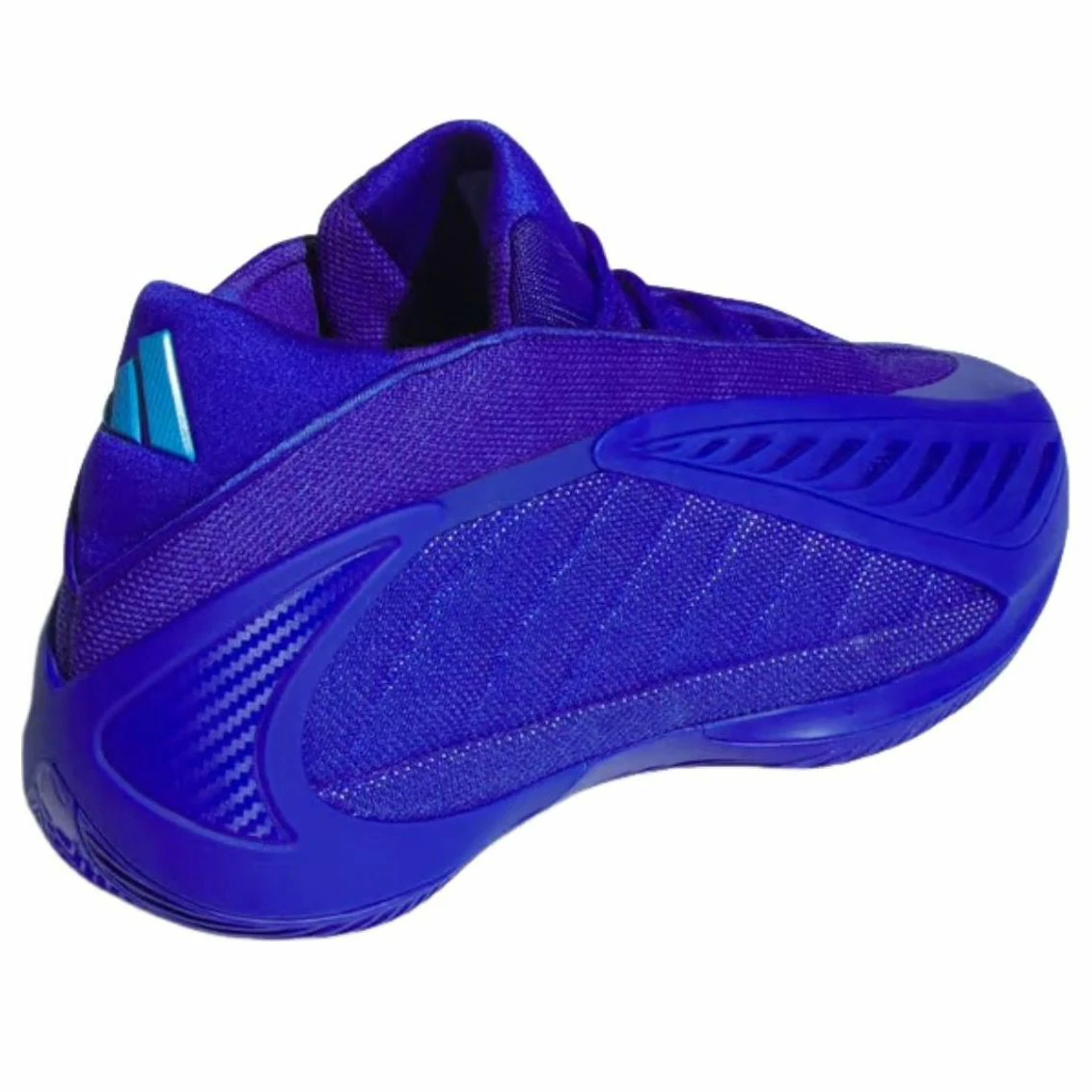
The adidas ultraboost cold rdy dna is a winterized Ultraboost: a water-repellent knit upper, the familiar Boost midsole, and a Continental rubber outsole under a lifestyle runner silhouette. It is a cold-weather commuter and walking shoe, not a trail model and not a replacement for a boot. For US retailers, the real question is whether your climate and customer mix can sell a knit runner at full price from November through February.
This breakdown covers what the build actually delivers, how the fit compares with the standard Ultraboost you already stock, which US customers reach for it, and how to plan an order without dragging seasonal stock into spring.
What the Cold-Weather Build Actually Delivers
COLD.RDY is adidas' cold-weather designation, used across apparel and footwear. On this pair it shows up as a denser knit with a water-repellent finish, a higher collar feel, and lining that cuts wind on the walk to the train. The Boost midsole underneath is unchanged, so the underfoot ride is the soft, springy feel buyers already associate with the line.
Two limits are worth telling customers up front. Water-repellent is not waterproof, so slush and standing water will eventually work through the knit. The insulation is also modest, which makes this a three-season city shoe in most of the US rather than a deep-winter boot alternative.
Check the box label and the official product page for the exact upper and outsole spec on the colorway you are buying. adidas has released several COLD.RDY takes on the Ultraboost, and materials shift between seasons. Getting the spec right protects you from returns and from shoppers who assume every pair labeled cold weather is built the same way.
Fit, Sizing, and How It Compares With Other Ultraboost Models
Most Ultraboost models run snug through the midfoot, and the adidas ultraboost cold rdy dna is no exception. The denser cold-weather knit has less give than a summer Primeknit upper, so shoppers who sit between sizes usually do better going up a half size. Wide-footed customers Should try before they commit online.
Build your size run around that reality. If your men's business concentrates in US 8 to 11, keep depth in 9, 9.5, and 10, and treat 12 and up as a shallow buy. Women's sizing follows the same logic: 7 to 9 moves, 10 and above sits.
Never quote fit from memory at the counter. Send customers to the official adidas size chart and remind them that this model uses the same last as recent Ultraboost releases, so a pair they already own is a fair reference point.
If you carry a standard Ultraboost or the lighter Ultraboost Light, treat the cold-weather pair as an add-on rather than a replacement. The table below is a quick way to explain the differences to staff and customers.
| Model | Weather Build | Fit | Best Customer | Stocking Note |
|---|---|---|---|---|
| adidas ultraboost cold rdy dna | Water-repellent knit, light insulation | Snug, half size up for many | Fall and winter commuting, all-day walking | Seasonal buy, plan exit by late February |
| Standard Ultraboost | Breathable knit, no insulation | Snug, true to size for most | Year-round lifestyle wear | Core stock, restock as needed |
| Ultraboost Light | Lighter foam, breathable upper | Similar snug profile | Warm-weather walking, casual wear | Summer counterpart to the cold-weather pair |
| Winter boot or waterproof trail shoe | Full membrane, sealed seams | Varies by model | Snow, slush, wet trails | Different customer, do not substitute |
Two takeaways for buyers. First, the cold-weather version protects your full-price Ultraboost business in winter instead of losing the sale to a boot. Second, it does not solve wet-weather demand, so keep at least one genuinely waterproof option on the wall.
Who Actually Buys It in the US
Climate does most of the sorting. In the Northeast, Midwest, and mountain states, this shoe sells as a November-to-February commuter for people who walk to transit or work in drafty buildings. In the South and Southwest, demand narrows to a small group: travelers, people who run cold, and sneaker buyers who want the darker colorway regardless of weather.
The core buyer is a lifestyle customer, not a performance runner. Expect students, hospital and retail staff on their feet all day, and the 30 to 50 crowd that already owns an Ultraboost and wants a weather-ready pair. Runners doing tempo work will choose something else, and that is fine because they were never the target.
Resale is thin on cold-weather Ultraboost colorways. Buy these to sell at retail in your own market, not to flip on the secondary market, and keep the size curve tight rather than chasing a volume discount.
Order-Planning Checklist for Seasonal Stock
Before you commit to a seasonal buy, run the same checks a buyer at a small chain would run. None take long, and each one protects margin.
- Confirm the colorway code and season on the box label, and match it against the supplier's line sheet.
- Ask for the available size breakdown before you agree on quantity. A low price on a broken run is not a deal.
- Verify whether the seller is an authorized distributor or a third-party reseller, and ask about the return window on seasonal goods.
- Test one store or one climate first. If you have doors in Phoenix and Minneapolis, send the depth north.
- Set a markdown date before the order ships. For winter footwear in most US markets, that date is late February.
- Inspect authenticity markers on arrival: box label print quality, size tag stitching, Boost pellet texture, and the Continental branding on the outsole.
Pricing, Minimums, and Landed Cost
Ultraboost models typically launch well above $150 at retail, and cold-weather versions sit at or near the top of that range. Current MSRP and wholesale cost move with season and channel, so confirm both with your supplier before you build a margin plan. As a rule of thumb, a small shop needs keystone or better on seasonal footwear because the markdown risk is real.
Before you price the adidas ultraboost cold rdy dna, land on your true cost per pair. That means unit cost plus freight, duty, brokerage, and any payment fees, divided by the pairs you can realistically sell at full price. Shops that skip this step usually discover the problem in March, when the last sizes are on the clearance rack.
Minimums vary widely by supplier, and a number quoted by one source will not hold for another. Most distributors set per-style and per-color minimums rather than accepting single-pair orders, and those terms are often negotiable for repeat accounts. Smaller shops do better with a shallow run across two or three colorways than one deep bet.
Import costs are the piece new buyers underestimate. Duties, freight, and brokerage on footwear can shift your landed cost by a double-digit percentage, and rates change. Ask a licensed customs broker about the classification and current duty treatment for the specific model rather than relying on last season's numbers.
What Buyers Ask Before Ordering
Does the adidas ultraboost cold rdy dna fit true to size?
For most people it fits snug, similar to other recent Ultraboost releases. If you are between sizes or have wide feet, going up a half size is the safer call. Point customers to the official adidas size chart and let them compare against a pair they already own.
Is it waterproof enough for snow?
No. The upper is water-repellent, which handles light rain and dry snow, but there is no waterproof membrane. Slush, deep snow, and long exposure will get through. Sell it as a cold-weather commuter and keep a boot option for customers who need real wet-weather protection.
How deep should a small shop go on a seasonal colorway?
Shallow and early. Two to four colorways in a tight size run usually beats one colorway in depth, because cold-weather buyers shop for the look as much as the function. Set a markdown date when you place the order and stick to it.
How do I check authenticity when a shipment lands?
Compare the box label, font, and size tag against a pair you know is genuine. Look at Boost texture, glue lines, and the Continental outsole print. If the price sits far below market, ask for the invoice chain, and send anything questionable to a professional authentication service before it reaches the floor.
Can it sell year-round in warm states?
Only as a niche. In hot climates the denser knit and darker colorways move slowly, so keep one or two sizes as a courtesy option and let the breathable Ultraboost carry the volume. Allocate depth to stores with a real winter.
Planning a Winter Order
Start with a short list of colorways, a size curve built on your own sell-through, and a supplier who will show the invoice chain and confirm availability before you commit. Send your target sizes and quantities to our sourcing team for a current quote. Pricing, minimums, and lead times are indicative until confirmed on your quote, and duty treatment should always be verified with your customs broker.