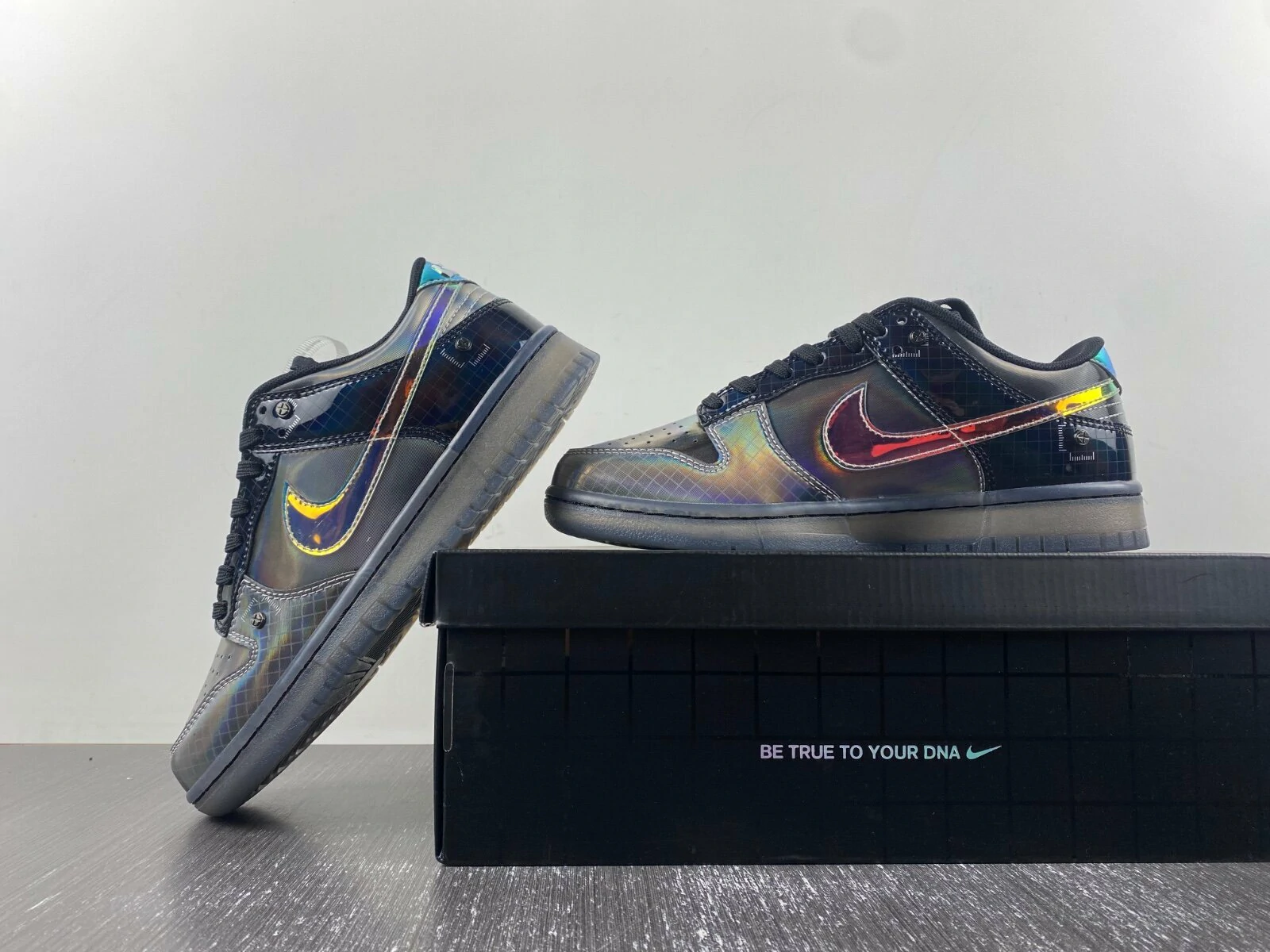
Painting a pair of Air force 1s is mostly prep work. Strip the factory finish, apply thin coats of flexible acrylic leather paint, heat-set each layer, then seal it, and the finish will flex with the shoe instead of splitting at the toe box. Skip a step and the paint starts flaking within a few wears.
What follows is the order of operations we use on customer pairs, along with the material list, the failure points, and the economics of offering customization as a service. If you have been looking for a straight answer on how to paint nike air force pairs that actually hold up, read the prep section twice and do not rush it.
Why Air Force 1 Leather Is a Forgiving but Tricky Canvas
Full-grain and synthetic leather panels on the AF1 take paint well because the surface is smooth and non-porous. That same smoothness is the problem: nothing grips until the factory topcoat comes off. The shoe also flexes hard at the toe box and midfoot, so any coating that dries rigid will crack there first.
Panel layout matters too. The toe box, quarter, and heel counter are separate pieces with seams and stitching, and paint bridges those seams differently than it bridges flat leather. Expect the swoosh edges and seam lines to be where a beginner's work looks uneven.
Some pairs are not worth painting. Patent leather, Flyknit, and mesh-heavy builds behave nothing like standard leather, and triple-white pairs with heavy yellowing need restoration before color. Deeply creased uppers hold paint in the crease, where it wears through fast.
The Prep Checklist Before Any Color Goes On
Prep is where most first attempts fail, and it is the step most tutorials on how to paint nike air force sneakers rush through. Budget 45 to 90 minutes per pair for teardown and surface work, and do not start painting until the leather is dry and free of oils.
- Remove laces and loose insoles, then wipe the whole shoe with a damp microfiber cloth.
- Deglaze the leather with acetone or a leather preparer, using cotton pads and light pressure. Swap pads often; a pad that turns gray is working.
- Sand only where needed, 800 to 1000 grit, on stubborn factory finish or scuffs. Skip it on clean smooth panels.
- Tape off the midsole edge, the outsole, and any logo you want to keep clean.
- Stuff the shoe with trees or paper to push out soft creases and give the brush a firm surface.
- Wipe again with a lint-free cloth and let the pair sit 10 to 15 minutes.
Two Notes on that list. Acetone works fast and can dull certain synthetic panels, so test the heel first. A deglazed surface also looks slightly chalky, which is normal; that dullness is exactly what gives the paint something to bite into.
Painting Sequence: Thin Coats and Heat Setting
Shake or mix the paint thoroughly and load a soft flat brush about 30 percent. Two thin coats beat one heavy coat every time, because heavy paint fills stitching and dries into a film that cracks on the first flex.
Work section by section: toe box, quarters, heel, then details. Heat-set each coat with a hair dryer or heat gun on low, 10 to 15 seconds per area, until the surface turns from wet to matte. Let it cool before the next pass.
Anyone learning how to paint nike air force panels for the first time overloads the brush. If brush strokes are drying glossy, the coat was too heavy. Sand it back lightly once cured and restart thinner.
Plan on three to five coats for a full change from white to a dark tone, and two to three for light-to-light work. The perforated toe panel needs an extra pass because paint pulls into the holes.
Choosing the Right Paint and Finish
Not every paint belongs on a leather sneaker. Water-based acrylic leather paint is the default for uppers; craft acrylics and fabric paints dry stiffer and fail at flex points. Dye is the right call for suede and nubuck, and spray products are best limited to midsole work.
| Product type | Best for | Flex durability on AF1 leather | Shop notes |
|---|---|---|---|
| Water-based acrylic leather paint | Uppers, panels, swoosh | High when applied thin and heat-set | Default choice; mix custom colors in small batches |
| Acrylic leather paint with hardener additive | Midsoles and outsoles | High, resists scuffing | Mix per label ratio; pot life is short |
| Leather dye | Suede, nubuck, some smooth leather | Very high, penetrates instead of coating | Harder to correct; test a hidden panel first |
| Craft acrylic or fabric paint | Canvas, cotton, display pieces | Low at flex points | Avoid for wear pairs; cracks within weeks |
Finish choice decides how long the job looks good. Matte finishers hide small brush marks, while gloss finishers show every imperfection and yellow slightly over time. Two light coats of a flexible acrylic finisher, one at 45 degrees and one straight on, cover better than a single wet coat.
Midsoles follow a different rule. Clean and scuff the rubber, then use a coating rated for it, and treat the question of how to paint nike air force midsoles as separate from the upper workflow. Powder pigment mixed into midsole paint is a common way to get a flat, factory-looking white.
Running Custom Work as a Service, Not a Hobby
Once a pair sells as custom, the buyer expects the finish to survive normal wear. That means quoting a turnaround you can actually hit, photographing the pair before it leaves, and telling customers up front that creasing will eventually show through the paint at the toe box.
If customization becomes a real revenue line, how to paint nike air force orders at volume turns into a process question rather than an art question. Batch the prep, paint three or four pairs in one sitting, and keep a drying rack so heat-setting is never the bottleneck.
Sourcing is the other half of the margin. Many shops buy deadstock or lightly worn pairs through local sellers or liquidation lots instead of retail, and profit depends on landing the blank below the going rate for that colorway, not on the cost of paint.
Keep a simple intake form: size, colorway, requested finish, deadline, and a photo of existing damage. Pairs with sole separation, deep creases, or heavy yellowing are restoration jobs and should be priced separately. Labor rates and retail price ranges vary a lot by market, so build quotes from your own hours and confirm figures with your supplier before committing.
FAQ
Do Air Force 1s need to be sanded before painting?
Usually not. A thorough acetone deglaze removes the factory topcoat on smooth leather panels, which is enough for paint to bite. Reserve sanding at 800 to 1000 grit for scuffed areas or spots where the finish resists the deglazer. Over-sanding flattens the grain and leaves visible patches, so test a hidden area first.
How long does a painted pair last?
With proper prep, thin coats, heat setting, and a flexible finisher, a painted upper survives months of regular wear. The toe box crease is always the first failure point. Rotating pairs and using shoe trees slows the wear, but no painted finish stays factory-perfect forever, so set that expectation before a customer buys.
Can you paint the midsole and the laces?
Midsoles take paint or dye formulated for rubber, applied after cleaning and light scuffing. Laces are a different story: dye them or replace them rather than painting. Painted laces flake quickly and transfer color onto the tongue and eyestays, which is a repair you do not want to repeat.
What paint should a new shop stock first?
Start with water-based acrylic leather paint in white, black, and a few primaries, plus a flexible matte finisher and a rubber-rated midsole product. That covers most requests. Add dye only if you accept suede work, since dye has a shorter shelf life and less room for correction than acrylic.
If you are sourcing blank pairs for a customization run, building a wholesale order for your store, or pricing a liquidation lot, send your size breakdown and target colorways and we will come back with availability and current quotes. Supply shifts quickly, so confirm details before you lock in a retail price.