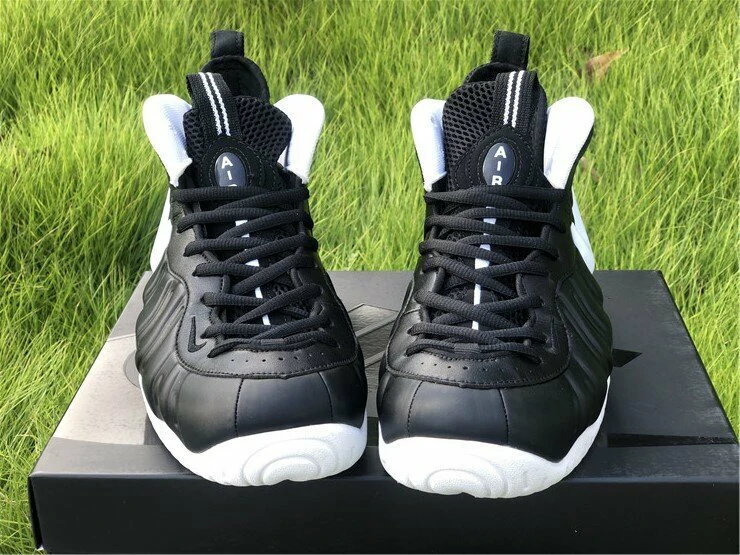
Nike SB mid tops sit in a narrow but profitable slot for a skate footwear program. They give customers more ankle coverage than a low top without the locked-in feel of a high, and the silhouette list is short enough that a buyer can cover the whole category with three or four styles. What follows is a Stocking guide: which mids actually move, how they fit, and what to confirm with a supplier before you commit to a size run.
Where Mid Tops Sit in the SB Range
A mid top typically clears the ankle bone and stops below the calf. That extra collar height is the only real difference in cut, but in the SB line it comes attached to a skate-specific build: padded tongue, reinforced ollie area, and a Zoom Air unit in the heel or forefoot depending on the model.
Demand splits three ways. Casual buyers pick a mid for the silhouette, skaters pick it for the ankle coverage, and collectors chase specific colorways. A shop that stocks only lows and highs leaves a gap right in the middle of that demand, and that gap usually gets filled online.
Collar height also affects how the shoe breaks in. Mids need a few sessions before the collar softens, which is Worth telling customers up front if you want to avoid returns from people who expect an out-of-box fit.
The Models That Move
Four silhouettes do most of the work. Each one maps to a different Customer, which is why carrying two of them makes more sense than carrying one style in four colorways.
| Silhouette | Typical build | Fit note | Who buys it |
|---|---|---|---|
| SB Dunk Mid | Suede or leather upper, cupsole, padded collar | Close to true to size, snug for the first week | Skate regulars, Dunk collectors |
| Zoom Blazer Mid | Slim suede or leather upper, herringbone outsole | Narrow through the midfoot | Style-driven casual buyers |
| Stefan Janoski Mid | Canvas or suede, low-profile Zoom Air | Snug toe box, runs narrow | Lifestyle and fashion customers |
| Blazer Mid Edge | Deconstructed upper, exposed foam details | Tracks the standard Blazer Mid | Limited-run hunters, resale buyers |
Volume on Nike SB mid tops concentrates in the Dunk Mid and the standard Blazer Mid. The Edge and Janoski shapes are narrower plays: fewer units, more colorways, and a customer who is buying the story as much as the shoe.
Colorway risk is the part new buyers underestimate. Quickstrike and tier-zero releases go to select accounts, so everyone else is buying near secondary market pricing and competing with resale listings on day one. Core colorways in black, white, and earth tones are boring to look at on a shelf and easy to sell twice.
Fit Notes That Cut Down on Returns
Sizing questions split by model, not by collar height. Dunk Mids generally fit close to a standard US size with a little room in the toe. Blazer Mids and Janoski Mids run narrow enough that wide-footed customers often need a half size up, and that advice is worth putting on a shelf card.
Material changes the answer too. Suede relaxes over the first two weeks; coated leather and canvas hold their shape. A customer who buys a leather pair expecting the same break-in as their suede pair will come back unhappy, so set the expectation at the register.
Keep a printed copy of the official size chart behind the counter and check the manufacturer's current chart each season, since lasts do change. For wide feet, measure rather than guess, and offer an insole swap before pushing a size up.
What to Verify Before You Place an Order
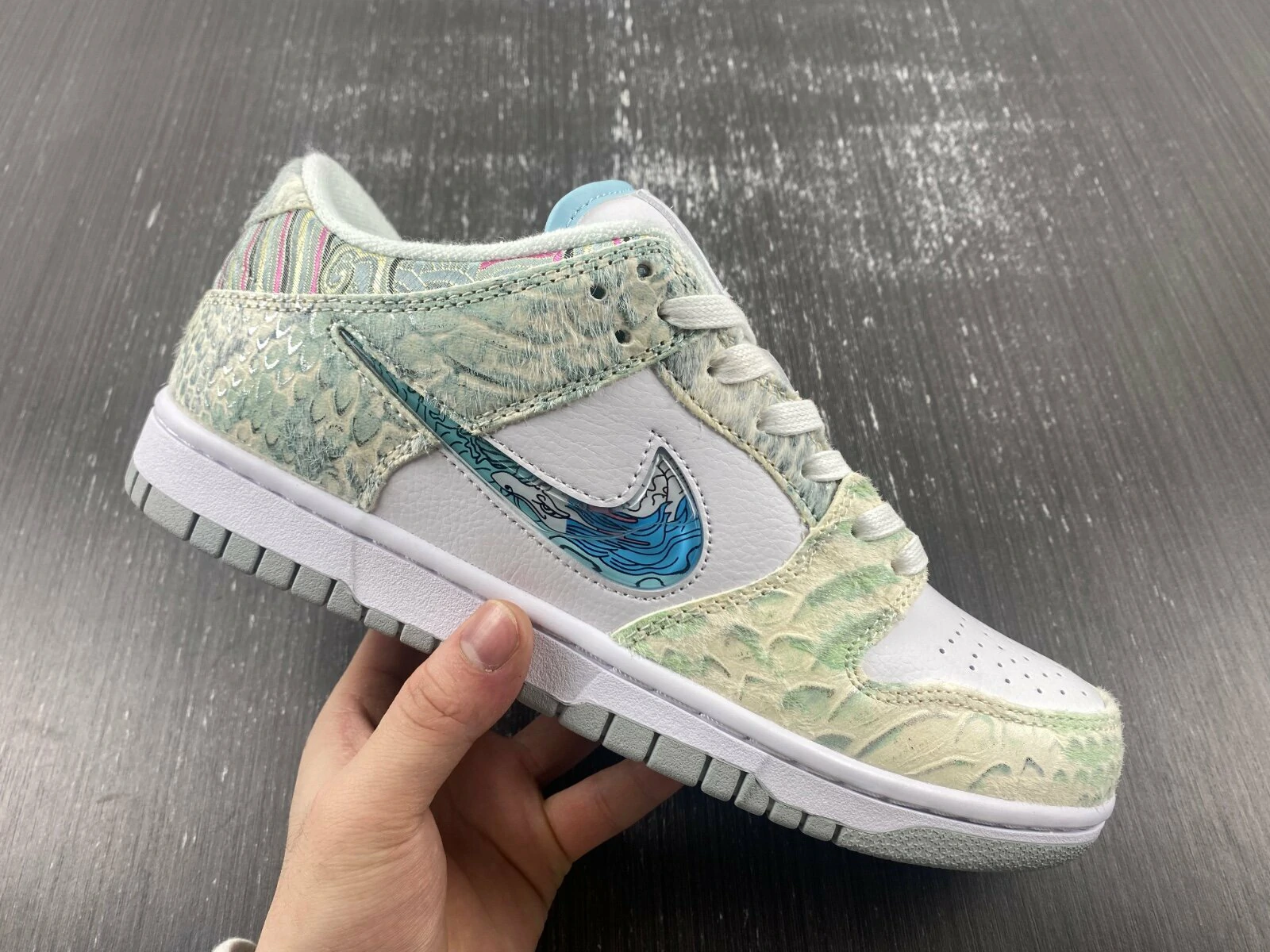
When you source Nike SB mid tops from a distributor, the paperwork matters as much as the price. A quote that arrives without style codes or a size breakdown is not a quote, it is a conversation starter.
- Style codes: match the box label, tongue tag, and invoice line by line.
- Size ratio: confirm the case pack and whether you can split a run across sizes.
- Colorway duplication: check what you already have on the wall before reordering.
- Return terms: get the policy on flawed pairs in writing, including who pays return freight.
- Supplier history: ask for trade references and a recent invoice set, then call one.
- Import costs: footwear duties and clearance rules change often, so price the landed cost with a customs broker before you sign.
Run a small authentication check on the first delivery of any new supplier: stitching density at the collar, glue lines, outsole tooling against a known pair, and suede texture. One bad lot can cost more than the margin on the whole order.
Price, MOQ, and Margin
Nike SB mid tops do not carry the markdown risk of a fashion sneaker, but the margin is thinner than most new buyers expect. Use the suggested retail as your anchor and work backward through freight, duties, and payment fees before you decide a wholesale price looks attractive.
Wholesale quotes on core skate footwear commonly land somewhere between 45% and 60% of retail, and minimums range from single pairs on in-stock styles to full size runs per colorway on program orders. Those figures are general reference points only, so confirm the actual terms with your supplier and get them in writing.
Independents often aim for keystone or slightly under on core footwear. If a quoted price would push you below a 35% gross margin after landed cost, the deal needs a better freight term or a different colorway mix to make sense.
Common Questions From Buyers
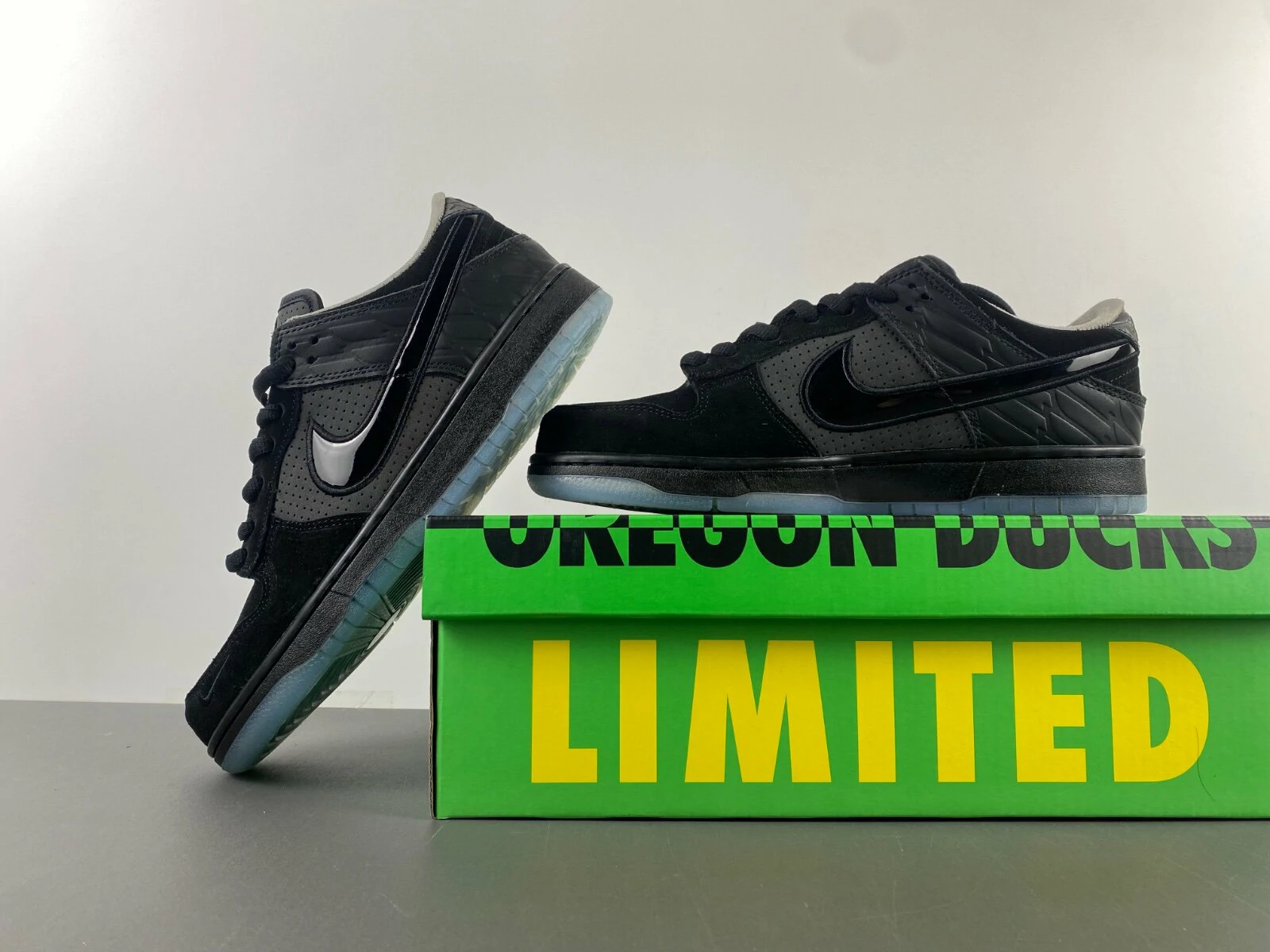
Are mids true to size?
Dunk Mids usually fit close to a standard US size. Blazer and Janoski mids run narrow, so many customers go up half a size. Ask what they wear in another SB model and adjust from there, and point them to the official size chart when the answer is not obvious.
Do Nike SB mid tops work for wide feet?
They can, but the collar height is not the issue. The last is. Dunk Mids have more room through the forefoot than Blazer or Janoski shapes, so steer wide-footed customers toward the Dunk and suggest a thinner insole before suggesting a bigger size.
How deep should a first size run be?
For a smaller shop, four to six sizes per colorway weighted toward US 8 to 11 is a reasonable starting point. Larger accounts with steady skate traffic can go deeper. Confirm the case pack and size ratio first, because some programs ship full runs only.
How do I check a pair for authenticity?
Match the style code across the box label and tongue tag, compare stitching density around the collar and ollie patch, and check the outsole tooling against a pair you trust. Suede texture and glue lines are useful secondary signals. On resale purchases, pay for third-party authentication before you pay the seller.
Building the mid-top section of your wall does not require a huge buy-in, just a clear read on which silhouettes your customers ask for and a supplier who documents what they ship. Send over your size run and colorway targets, and we will put together a quote with style codes, pack sizes, and landed cost estimates so you can compare it against your current source.