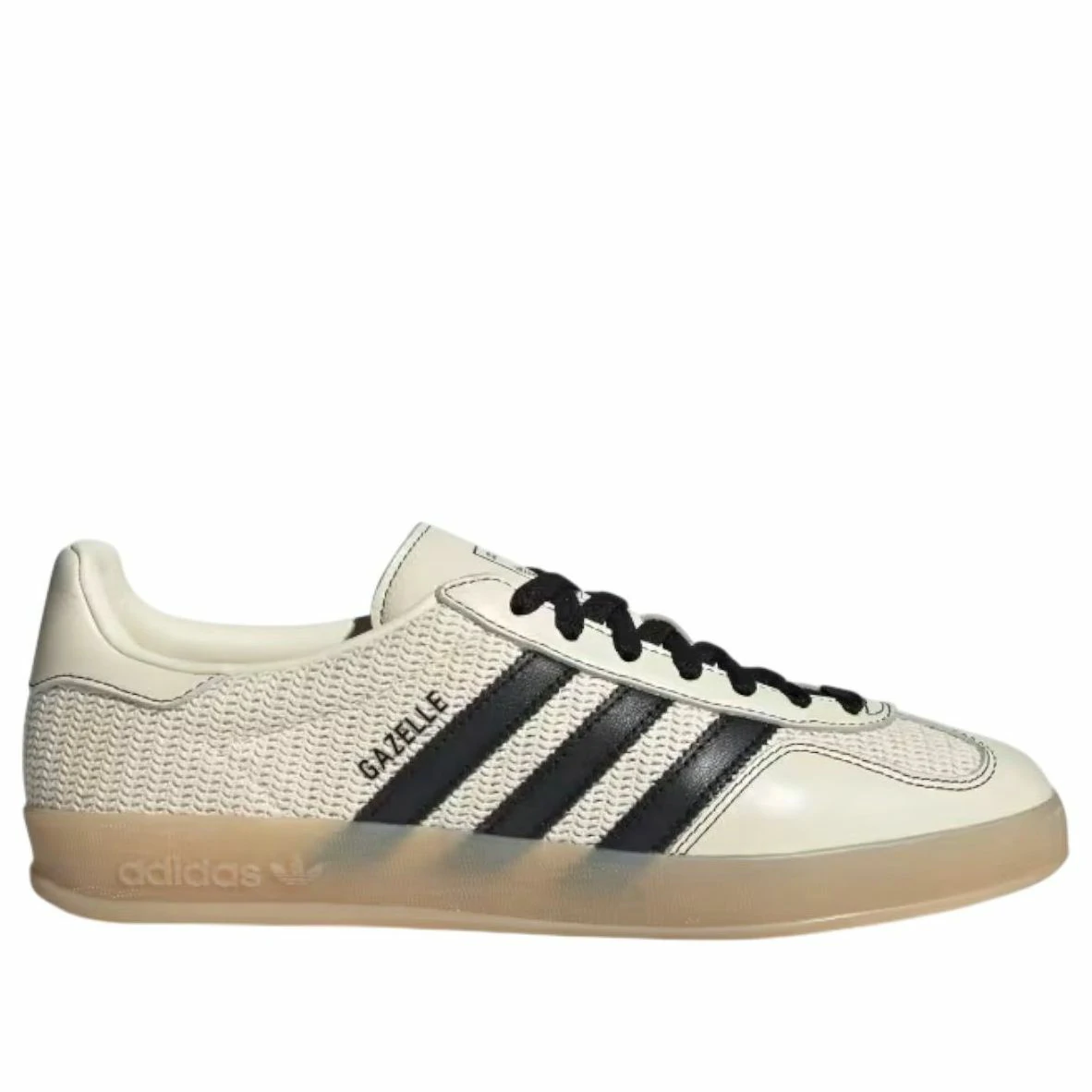
The women's adidas sambas platform is a raised-sole version of the Samba built on a women's last, and it sells to a customer who wants the Samba shape with extra height and a cleaner line under wide-leg denim. Demand is easy to read at this point, since the silhouette has been on shelf long enough to create repeat buyers. The hard part is depth: which colorways earn more than one size run, and how many pairs you can carry before seasonal stock starts aging.
What follows covers how the platform version differs from the flat Samba, the sizing information your staff needs at the register, the authenticity checks that matter on this sole unit, and a first-order framework you can run before committing to a bulk buy.
What the platform version changes
Take a standard Samba, thicken the outsole unit, and you have the basic idea. The upper keeps the familiar T-toe, the suede overlays at the toe and eyestay, the serrated three stripes, and the long tongue with the logo patch. What changes is the sole profile, which lifts the foot noticeably and gives the shoe a chunkier sidewall than the flat version.
Naming is where buyers get tripped up. Several retailers list this shoe under a separate model name in the Sambae family, and listings mix "platform Samba" and that name freely. Before you sign off on a purchase order, match the six-character article number on the box label to the number on the tongue tag inside the shoe. Two pairs can look identical in a shelf photo and still be different releases.
Sizing convention is the second difference. The standard Samba is usually sold in unisex sizing, while the women's adidas sambas platform runs on women's sizes. That matters at the counter, where a customer who wears a US men's 9 needs a US women's 10.5. Staff who convert out loud, every time, cut return rates faster than any signage.
| Attribute | Standard Samba | Platform version | What it means for your buy |
|---|---|---|---|
| Sole height | Flat, low profile | Raised platform sidewall | Photographs well; check box height against your shelf gap |
| Sizing | Usually unisex | Women's sizes | Conversion chart at the register, not in the stockroom |
| Upper construction | Leather or suede, T-toe | Same build, women's last | Care products sell alongside it |
| Colorway mix | Mostly core white and black | Core plus seasonal drops | Keep core deep, buy seasonal shallow |
| Price position | Entry tier for the line | Usually a step above the flat version | Supports a higher ticket if your floor justifies it |
Fit and sizing notes for the sales floor
Most customers take their normal women's size in this shoe. The toe box runs on the narrow side, which is typical for the Samba line, and the leather T-toe softens over a week or two of wear. Wide-footed customers generally go up a half size rather than hunting for a wide fit, because this model doesn't offer one.
Suede pairs break in differently from leather ones. Suede gives a little more across the vamp but creases at the toe faster, so the same customer may want leather for daily wear and suede for a shorter rotation. Knowing that distinction lets you sell a second colorway instead of processing an exchange.
Returns on the women's adidas sambas platform cluster around two issues: half-size uncertainty and sole scuffs from try-ons. Both are manageable. Keep a printed conversion table at the counter for customers who normally shop men's sizing, and hand over a try-on sock with every box.
Authenticity checks on a platform sole
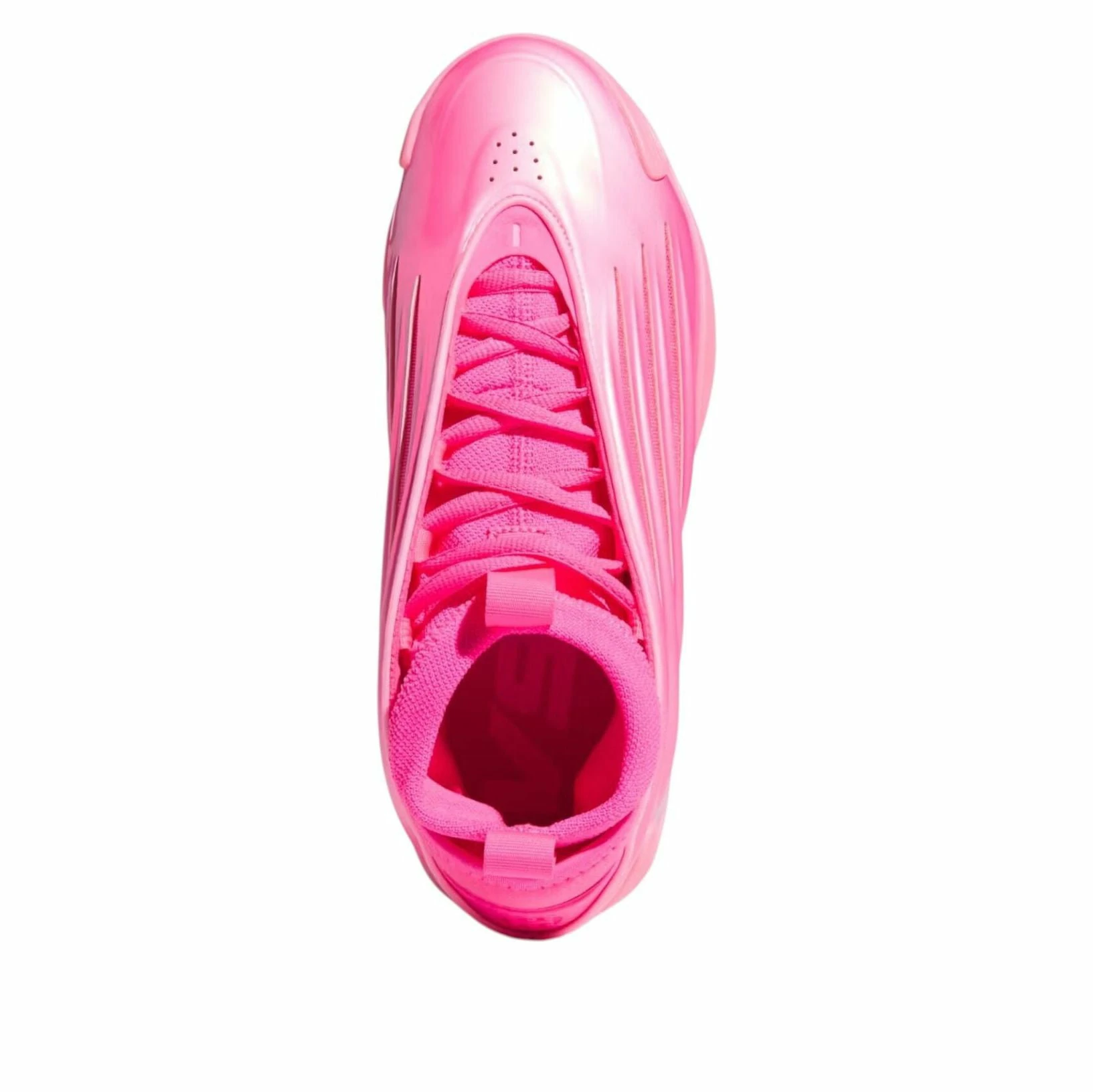
The taller sidewall makes this a popular target for copies, and the copies usually fail on the sole profile rather than the upper. Run your thumb along the sidewall. The platform should sit level, with an even transition from heel to toe and no wave in the midsole line. A wobbly platform edge shows up in photos once you know to look for it.
Stitching is the second check. The T-toe overlay should have tight, even rows with no loose thread or skipped stitches where the curve meets the eyestay. Heel tab lettering should be centered and consistent in weight, and the tongue patch should sit flat without bubbling at the edges.
Then confirm the numbers. Box label and tongue tag article codes should match, the size should be printed the same way in both places, and the label's font spacing should look like other adidas boxes in your stockroom. When a pair doesn't pass, send it to a professional authentication service rather than guessing. Buyers who authenticate samples before a bulk order catch most problems at the stage where they cost the least.
Building the first order
Start with the two core colorways and one seasonal color, then test depth before width. The Samba customer tends to buy one pair and come back for a second color a month later, so a shallow, wide buy usually beats a deep, narrow one on a first order.
Size curve matters more than color count. In women's lifestyle footwear, the middle of the run, roughly US 7 to 9, moves fastest while the extremes sit longer. Confirm that pattern against your own sales history rather than a generic template. A campus store and a suburban boutique will see different curves for the same shoe.
Run this checklist before you place a wholesale order:
- Request a physical sample in a mid-size and inspect the platform sidewall yourself.
- Match box label article numbers to tongue tags on the sample and on any stock photos you publish.
- Ask for the size run breakdown and the minimum per size, not just the minimum per order.
- Confirm whether you're getting original retail boxes or bulk packaging, since that changes resale presentation.
- Get lead times in writing, along with the reorder window for a core restock.
- Verify the policy on seconds, sticker damage, and crushed boxes before the first shipment lands.
Pricing logic for the women's adidas sambas platform stays simple as long as you don't chase seasonal color. Core white and black hold their ticket and reorder cleanly. Seasonal pairs sell at full price for a short window and then need a markdown plan, so build that assumption into your margin before you buy. A common wholesale-to-retail multiple in footwear lands somewhere around 1.8x to 2.2x depending on account terms and freight, but treat that as a starting point only, run your own landed cost, and confirm terms with your supplier.
If you're importing rather than buying domestic, ask a customs broker about duty treatment for the upper material mix before you commit. Tariff classifications shift, and a supplier's summary of the rules isn't a substitute for broker advice.
Questions buyers ask before committing
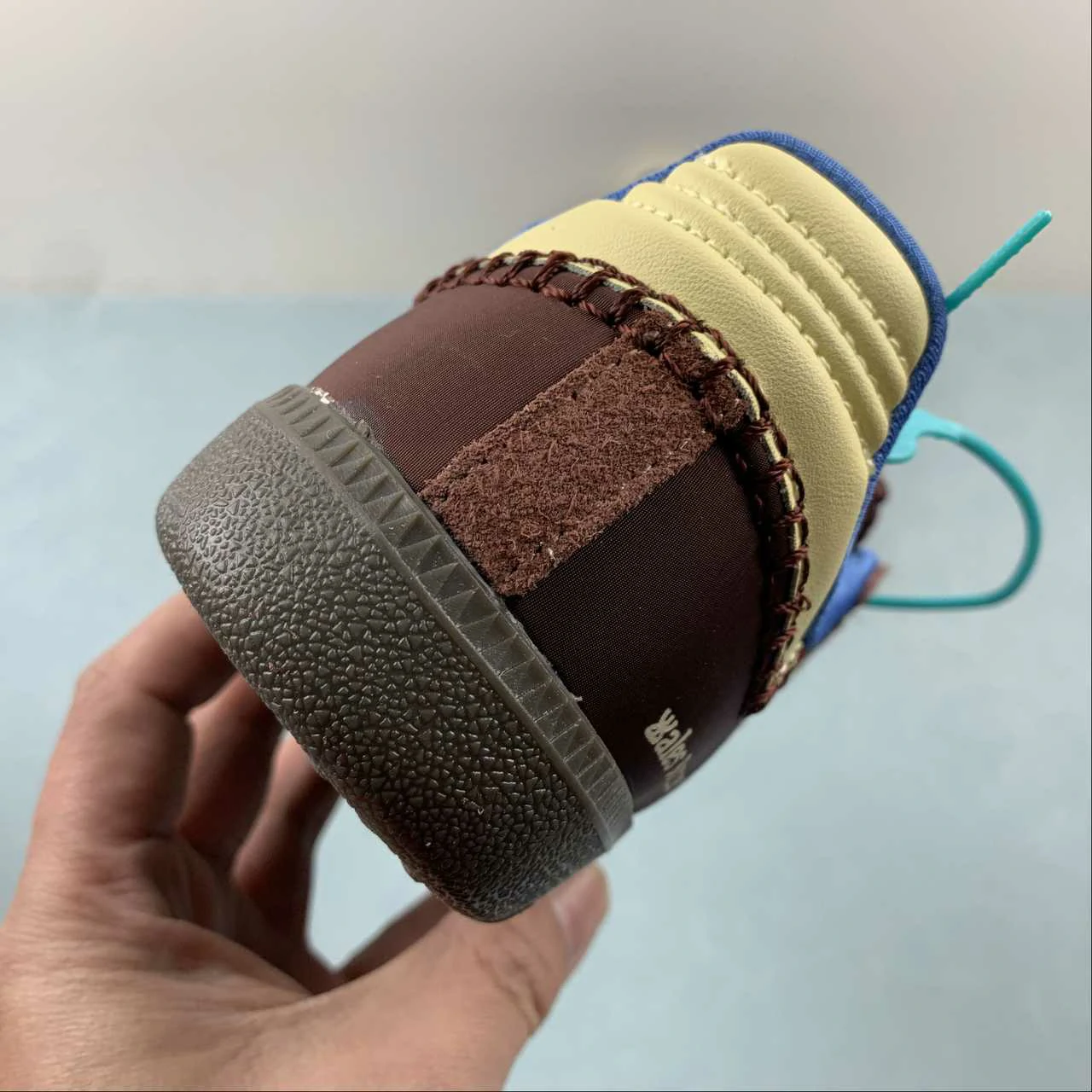
Do platform Sambas run true to size?
Most buyers report a true-to-size fit in women's sizing, with a slightly narrow toe box. Customers with wide feet usually need a half size up, and suede versions feel tighter out of the box than leather. Have staff check the current official adidas size chart rather than a version copied from an older listing.
Is the platform Samba the same shoe as the Sambae?
Listings use both names, which causes confusion on purchase orders. The platform build sits in the Sambae family, but release names and colorway codes change by season. The reliable answer is the article number: match the code on the box label to the tongue tag and to the product page. If those three disagree, ask before you buy.
Can I sell these to customers who wear men's sizes?
Yes, with a conversion. The women's adidas sambas platform is built on a women's last, so a customer who wears a US men's 8 typically needs a US women's 9.5. Stock the women's run as your base and let those shoppers size up. A printed conversion chart saves the conversation and lowers your exchange rate.
How many pairs should a first order be?
Enough to cover US 6 through 10 in one or two core colorways, with depth weighted toward sizes 7 to 9. That's usually a small enough commitment to test sell-through and large enough to avoid a mid-season gap. Ask your supplier for per-size minimums, since those often decide the real order size.
What should I check on the box before accepting a shipment?
Inspect the label for article number, size, and color code, then spot-check two or three pairs against the tongue tags. Look at the platform sidewall for waves and the T-toe stitching for skips. Photograph anything that looks off before you open a claim with the supplier.
Planning a spring or fall drop? Send over your target sizes, colorway mix, and delivery window, and we'll come back with availability, per-size minimums, and lead times. Samples can ship ahead of any bulk commitment so you can inspect the platform yourself.