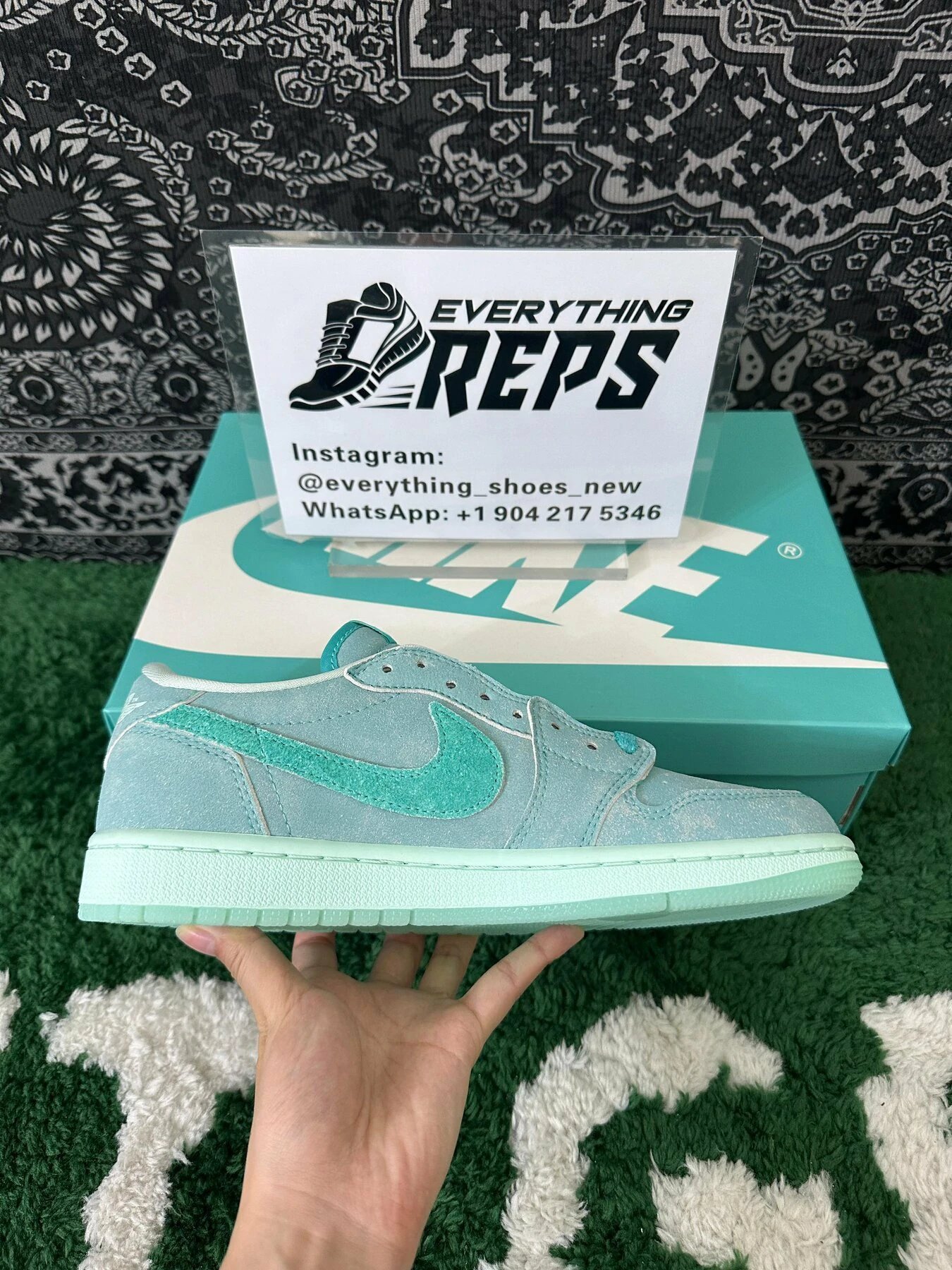
There is no single number for the Jordan 1 low mocha price. What you pay depends on the channel you buy from, the size run you need, and whether the pairs are deadstock, tried on, or shelf-worn. US retail on a Jordan 1 Low usually lands in the low-to-mid $100s, and clean resale pairs in common sizes often climb above that. This guide covers what moves the number, how to compare quotes, and what to verify before you send a deposit.
Three Prices for One Shoe
Buyers often compare a resale listing with a wholesale quote and assume one of the two is dishonest. Usually neither is. Those are separate markets, and each one carries different costs.
Brand retail anchors the figure most of your customers know. Nike sets MSRP, and stores buying through authorized channels work from a margin that leaves little room to discount a hyped colorway. Clean pairs near retail disappear fast, which is exactly why a secondary market exists.
Distributor pricing sits in the middle. A legitimate supplier who already imported the goods has to cover freight, duties, and their own margin, so a quote close to MSRP is normal on small runs. Deep discounts on a current, in-demand colorway are the exception, not the standard.
Liquidation lots are a different animal. You are often buying mixed sizes, mixed conditions, or older seasons, and the low unit cost reflects that risk rather than a favor.
What Moves the Number Most
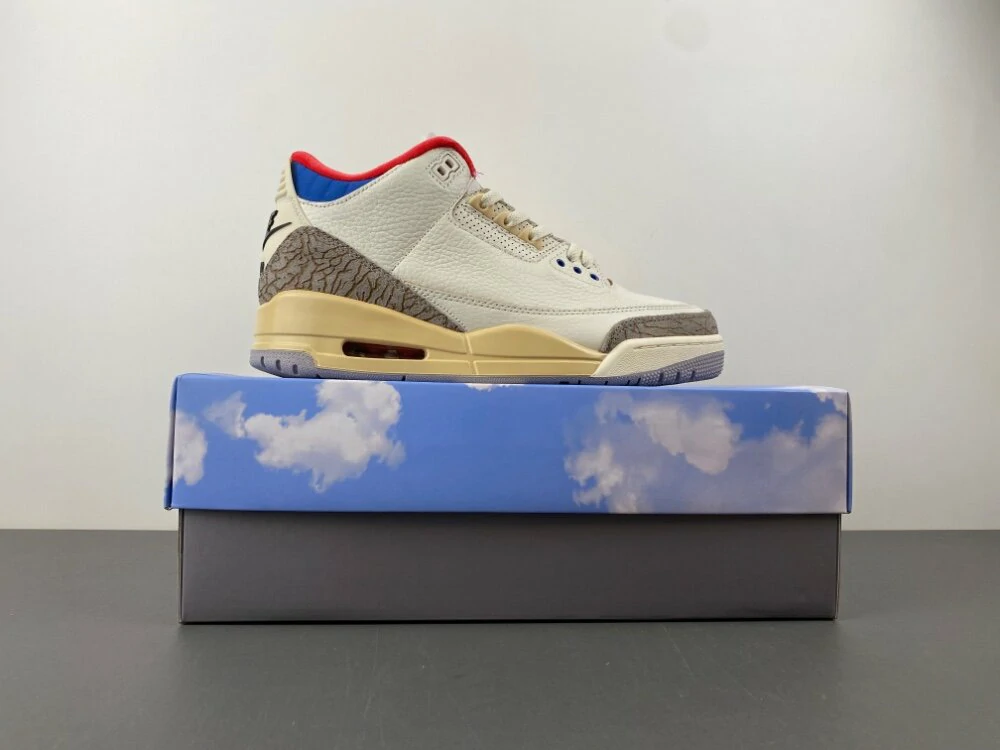
Three factors drive the jordan 1 low mocha price more than anything else: size mix, timing, and condition. Each one is visible before you pay, if you ask the right questions.
Size Mix
Size is the lever that new buyers underestimate. A run that sells through in men's 8 to 11 will drag in the 12s and 13s, and those pairs tie up cash for months. Compare quotes per size, not per pair, or the cheap offer will look cheaper than it really is.
Timing
Prices soften after a wider restock and tighten once a colorway stops shipping. When a supplier quotes well below the going rate on a shoe that just launched, ask how they got it and what happens if the pairs fail inspection.
Condition and Packaging
Deadstock with the original box, spare laces, and no factory flaws sells at one level. A tried-on pair with a creased toe box, or one that arrives boxless, belongs in a different bin at a different price. Photograph condition at intake so a dispute later is a short conversation, not an argument.
Comparing Channels Side by Side
| Channel | Indicative price band | Typical minimum | Main risk |
|---|---|---|---|
| Brand retail (MSRP) | Low-to-mid $100s | Single pair, limited stock | Very little stock on hyped colorways |
| Resale marketplace | Above retail, varies by size | Single pair | Authentication and shipping damage |
| Authorized distributor | Between wholesale and retail | Case packs or size runs | Tight margins, allocation limits |
| Closeout and liquidation | Well below retail, mixed goods | Pallet or mixed lot | Size gaps, condition problems |
| Overseas factory-direct offers | Advertised very low | Unclear or negotiable | Counterfeits, no practical recourse |
Bands above are indicative only, and they shift by season, size, and colorway. Confirm current pricing with each supplier before you commit.
When a quote for the jordan 1 low mocha price lands far below every other number you have collected, treat it as a question rather than a bargain. Ask what condition the pairs are in, who covers the loss if they fail inspection, and whether the quote is landed or FOB.
A Pre-Order Checklist for Shop Owners
Run the same five checks on every supplier before money moves. The whole exercise takes about ten minutes and prevents most of the arguments that follow a bad lot.
- Ask for the full size breakdown, not just a total pair count.
- Request photos of the actual pairs, including the size tag, box label, and outsole stitching.
- Confirm whether the quote includes freight, duties, and handling fees.
- Get the return and defect policy in writing, including who pays return shipping.
- Start with a small trial order before committing to a full size run.
A supplier who answers all five clearly is worth a second conversation. One who dodges the size breakdown or sends catalog photos instead of real ones is telling you something useful about how a dispute will go.
Keep a simple sheet with quoted unit cost, landed cost, and expected sell-through by size. That sheet, not the sticker number, tells you whether the jordan 1 low mocha price actually works for your store.
Verifying Pairs Before You Pay
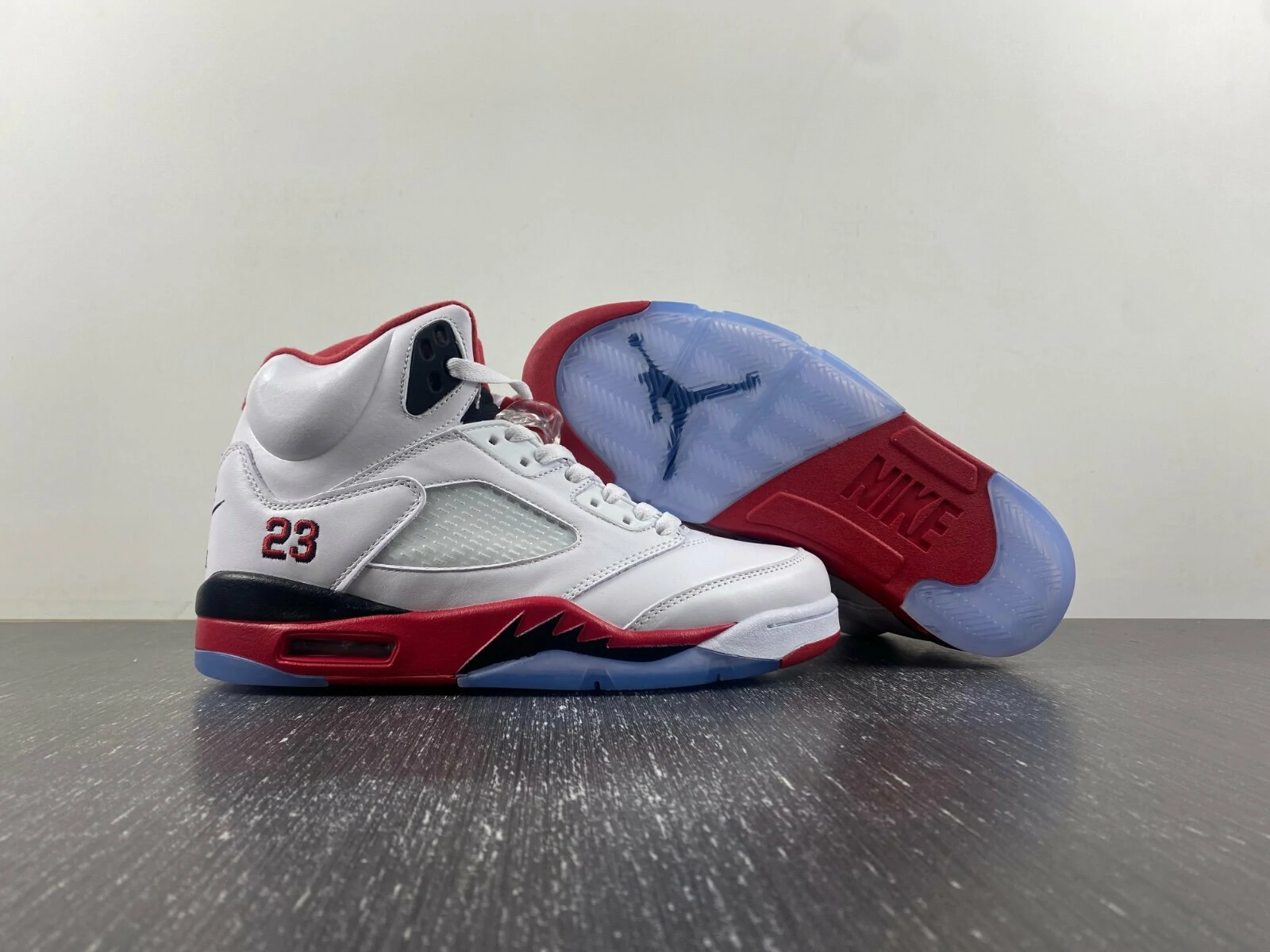
Counterfeits of low-top Jordans are common because the silhouette is simple to copy. Learn the checks that apply to your stock and apply them to every batch, not just the first one.
Start with the basics: the size tag inside the collar, stitch density along the swoosh, the shape of the toe box, and print quality on the box label. Compare against a pair you sourced yourself from a channel you trust.
On higher-value orders, pay a professional authentication service or a local expert to review a sample. The fee is small next to the cost of a bad lot, and it gives you documentation if you need to dispute a payment.
Questions Buyers Ask Before Restocking
Why does the same shoe sell at such different prices?
Channel, condition, and size explain nearly all of it. A resale listing on one clean pair reflects what a single buyer will pay today. A distributor quote reflects landed cost, freight, and margin across an entire run. Neither number is wrong, but they answer different questions, so compare quotes from the same channel.
Does size change what a pair costs?
Yes, and noticeably. The jordan 1 low mocha price moves with size: men's 8 to 11 carry the strongest US demand, so those pairs hold value and sell first. Very small and very large sizes sit longer and usually need a markdown to clear. If a supplier quotes one flat unit price, ask whether the size run is balanced.
Is a bulk order from overseas always cheaper?
Not once you count the full cost. Add freight, duties, inspection, payment fees, and the risk of a lot that fails authentication, and the gap often narrows or disappears. Overseas sourcing can work at volume with a supplier you have vetted. Confirm duty rates and import requirements with a licensed customs broker rather than a seller's summary.
How many pairs should a small shop start with?
Enough to cover your core sizes and no more. Many independent stores begin with a trial run, often a few pairs per size in the 8 to 11 range, then reorder what moves. That approach costs slightly more per pair but protects cash flow and gives you real sell-through data before a bigger commitment.
Do Jordan 1 Lows run true to size?
Most buyers take their usual Nike size in the low-top, and the fit is close to other Jordan 1 models with a slightly roomier toe box. Fit is personal, so check the brand's current size chart and track return rates on half sizes before you build a run around them.
Send your target size run and the landed cost you can work with, and we will reply with current availability, shipping terms, and a quote you can check line by line. Trial orders are welcome, and we will tell you plainly when a size is short rather than fill the gap with something close.