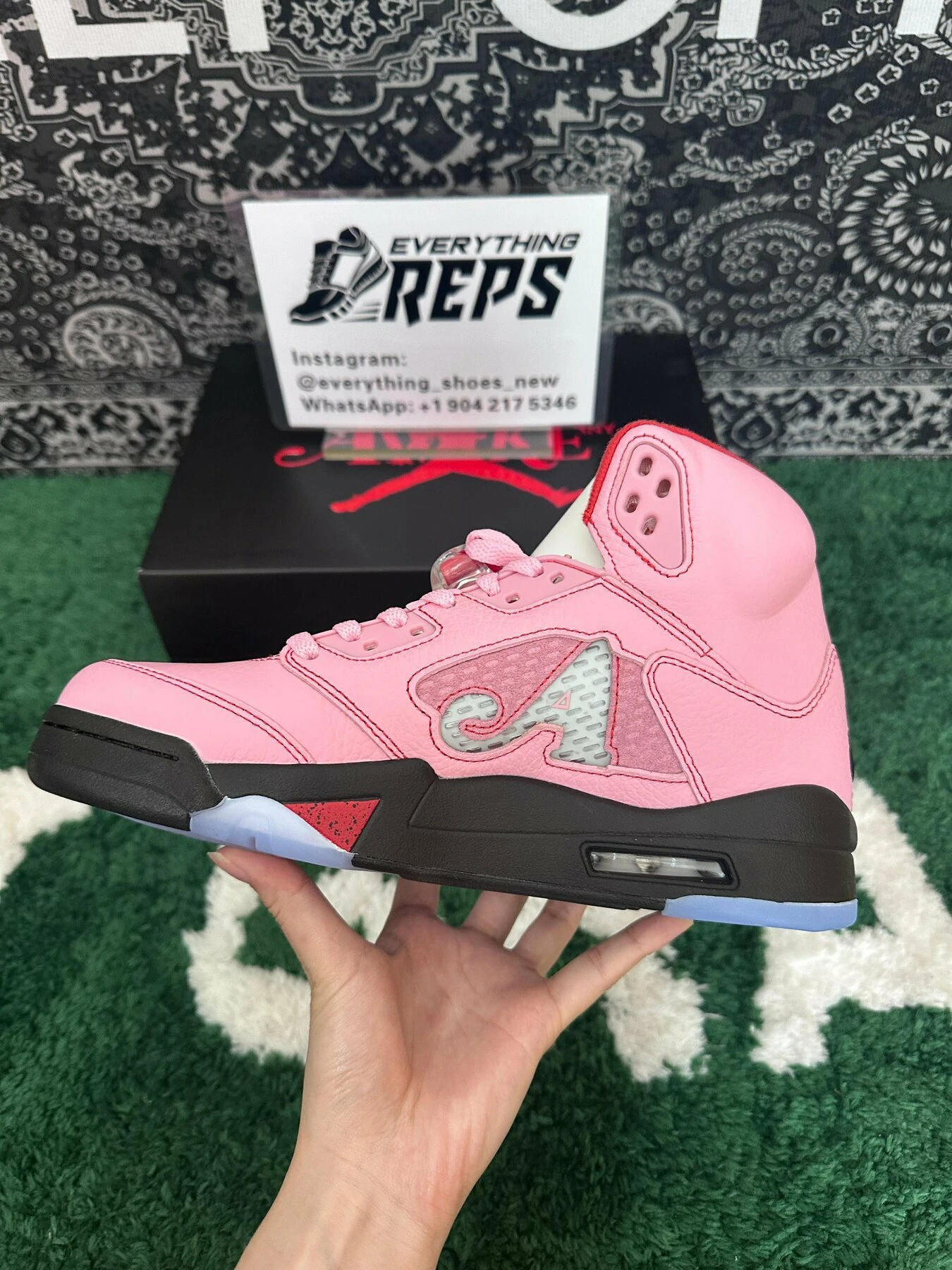
Most of what shoppers call Jordan 4s upcoming releases is a mix of confirmed brand calendar entries and rumors that get repeated until they look official. Those two things should never share a spreadsheet. For a store, the useful question is not which colorway drops next but which releases deserve shelf space, which need a pre-order list, and which you should pass on entirely. Below is how to read a release calendar, how allocation and sizing on this silhouette affect your open-to-buy, and where independent shops most often lose margin.
Sorting Confirmed Dates From Rumors
Calendars move. A date posted on a sneaker blog in July is often a placeholder pulled from a factory manifest, and factories quote dates to buyers long before anything is locked. Treat any date without confirmation from the brand or an authorized retailer as an estimate. Write purchase orders so a two-week slip does not leave cash tied up in the wrong month.
Keep two lists. The first holds releases with a published date and official images. The second holds everything else, ranked by colorway strength and the story behind it. When a rumor graduates to a confirmed date, move it up the list. Many jordan 4s upcoming releases that matter to a small shop sit on the second list for weeks before you can commit real money to them.
What Drives Demand on a Jordan 4
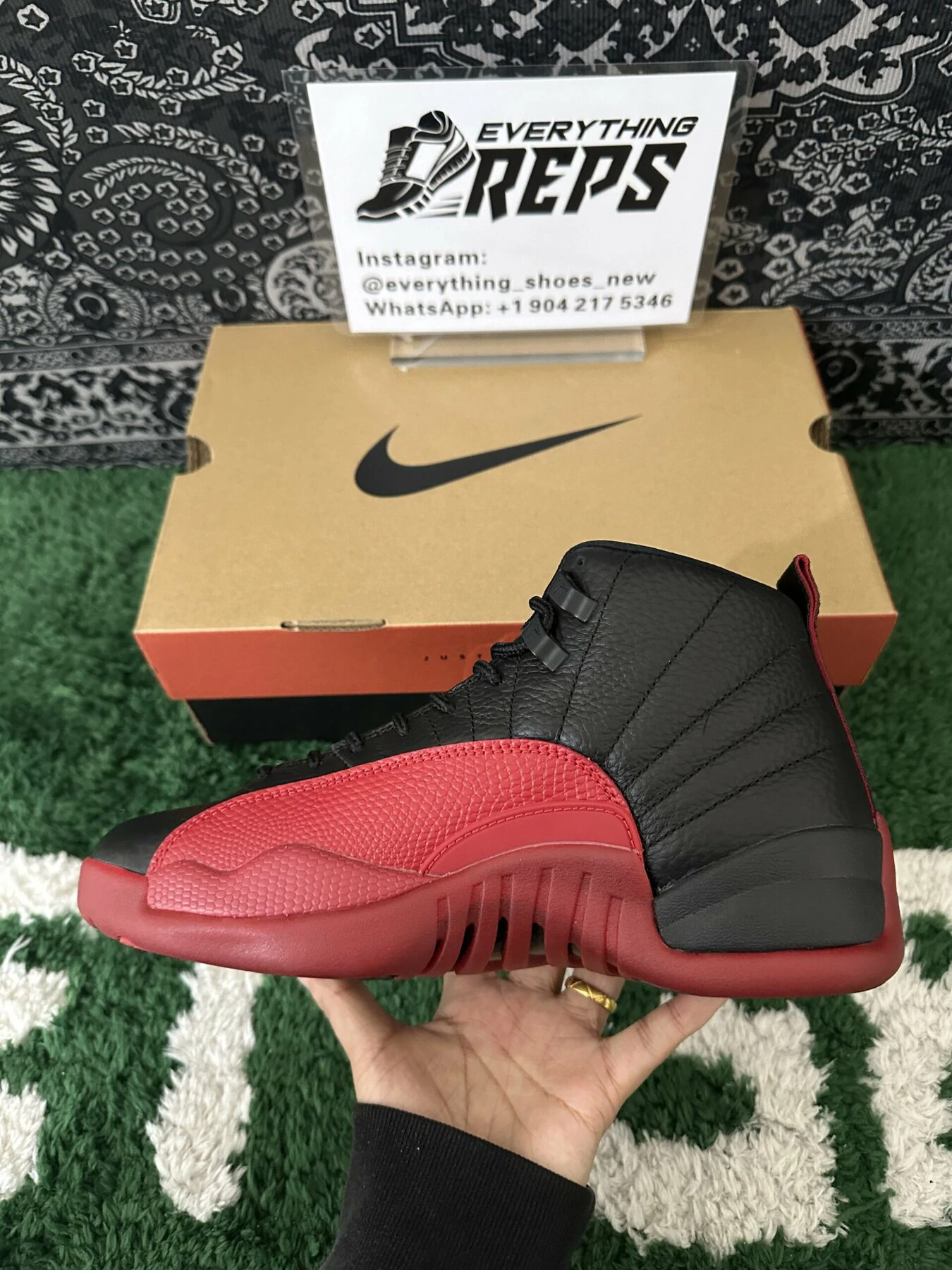
The Jordan 4 occupies an awkward spot. It moves fast enough to clear a launch-weekend run in major markets, yet it is common enough that plain colorways can sit for months in a store that over-commits. That is a planning problem, not a marketing one. Size depth matters more than total units, because demand on this silhouette is steep at the top of the run and thin at the bottom.
Two factors change your math. Launch demand concentrates in men's 8 through 11, plus a handful of women's sizes when the run is extended. At the same time, brand channels and large accounts take the bulk of the allocation, which can leave independents with less depth than they ordered. Ask your supplier in writing what happens if allocation is cut or a shipment splits across two dates.
Release Types and How to Buy Them
| Release type | Demand window | Size-run priority | Buying approach |
|---|---|---|---|
| OG retro colorway returning | Strong at launch, steady for 6 to 10 weeks | Full run, men's 8 to 11 deepest | Commit early, hold backstock in core sizes |
| Collaboration or very limited pair | 48 to 72 hours, then resale-driven | Small run, top sizes only | Pre-order list, no speculative depth |
| New seasonal colorway | Slow burn, 8 to 12 weeks | Middle sizes, fewer extremes | Test with a shallow run, reorder on sell-through |
| Restock of a recent retro | Short burst, mostly existing customers | Whatever sold out last time | Reorder from data, skip the rest |
Read the table as a starting point, then adjust for your market. A store near a campus will clear a 9.5 far faster than a shop in a suburb full of retirees, and no calendar tells you that. The honest input is your own sell-through history by size, not a regional average.
There is a second consideration. When a pair is limited enough that you cannot get depth, the margin usually sits in the pre-order relationship rather than in the pair itself. Customers remember which store called them first when a launch sold out.
A Repeatable Buy Plan
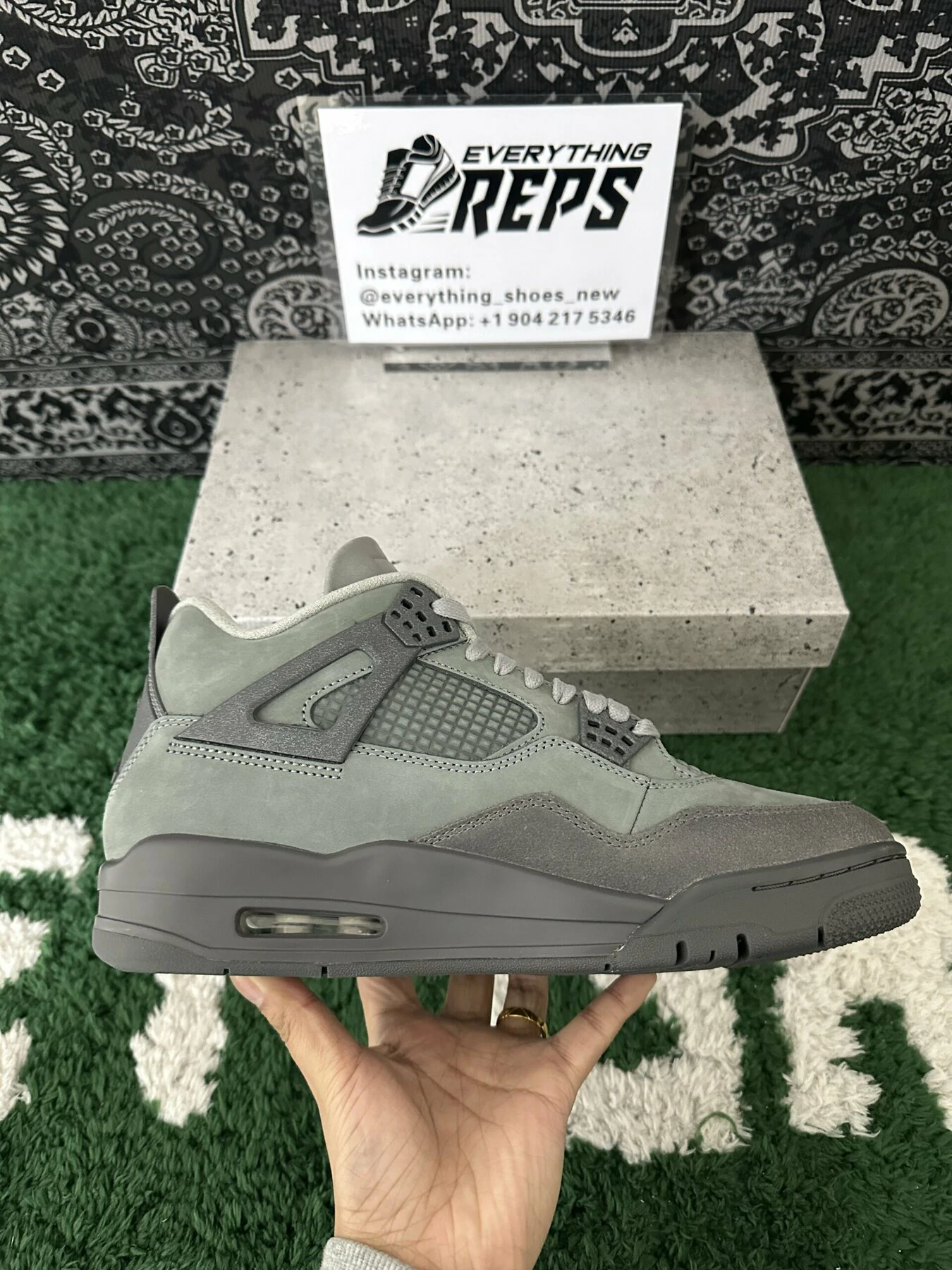
Run the same sequence for every one of the jordan 4s upcoming releases on your list, and the decisions get faster. Skipping steps is how shops end up with three size runs of a colorway nobody asked for.
- Confirm the date and the retail price from the brand or an authorized retailer, not from a resale listing.
- Pull your sell-through by size for the last two Jordan 4s you stocked.
- Set the size curve before you set quantity, because the curve is what protects margin.
- Cap total spend per release in dollars before you open the supplier's sheet.
- Collect pre-orders or a waitlist for your top three sizes, even informally.
- Get allocation, ship window, and return terms in writing.
- Pick a markdown date now, in case the pair has not moved in eight weeks.
Step four matters more than it looks. Supplier sheets are built to look attractive in bulk, and a cap decided in advance keeps a good deal from turning into a cash-flow problem. Set the cap per release rather than per month, so a heavy month does not quietly double your exposure.
Fit, Returns, and Vetting Outside Stock
Sizing notes that cut returns
A Jordan 4 fits close to true to length, with a structured upper that runs somewhat narrow. Wide-footed customers often go up half a size, and so do people who wear thick socks. Send shoppers to the brand's official size chart instead of guessing for them, and put a short fit note in the product copy.
Returns are where a good run goes bad. A return rate that climbs even a few points on a shoe in the $200 range can erase the margin on the whole run once you count shipping both ways. Track returns by size. If one size keeps coming back, stop deepening it.
Checking stock you did not buy direct
Secondary sources, jobbers, and liquidation lots are part of this business, and so is counterfeit risk. Compare tongue label stitching, the shape of the plastic lace wings, the insole print, and the box label font against a pair you know is genuine. Weight is a rough but useful signal, since fakes often run light.
For anything beyond a small test order, use a professional authentication service or buy from a source that guarantees a refund on a failed inspection. No legitimate supplier should object to that clause. If they do, you have your answer about the supplier.
Buyer Questions
When do jordan 4s upcoming releases get confirmed?
Confirmation typically lands a few weeks to a few months before launch, when the brand publishes official images and a date. Anything earlier is a rumor, even when several blogs repeat it. Build purchase orders around confirmed dates and keep the rest as planning notes only.
How deep should a small store go on a Jordan 4?
Most independents do best with a shallow run across the middle sizes and one or two pairs at the extremes. Depth in men's 8 to 11 is where sell-through comes from. Confirm case pack sizes with your supplier first, since packs vary by account and by release.
Do Jordan 4s run true to size?
Generally yes on length, though the upper is structured and narrow across the forefoot. Wide-footed customers often size up half a size. Check the brand's official size chart and publish a one-line fit note on each listing.
Is it worth ordering before launch day?
Yes, when the source is verified and the terms are written down. Pre-launch buying protects your size run, but only with a refund clause for failed authentication and a clear ship window. Without both, wait for confirmation from the brand.
If you are mapping the next few months of inventory, start with the pairs you can confirm and leave room for the rest. Send over your size curve and target spend for the jordan 4s upcoming releases you plan to stock, and we will reply with availability, case pack options, and lead times so you can weigh them against your current supplier. Ranges quoted here are for planning only, so confirm final numbers with your supplier before you commit.