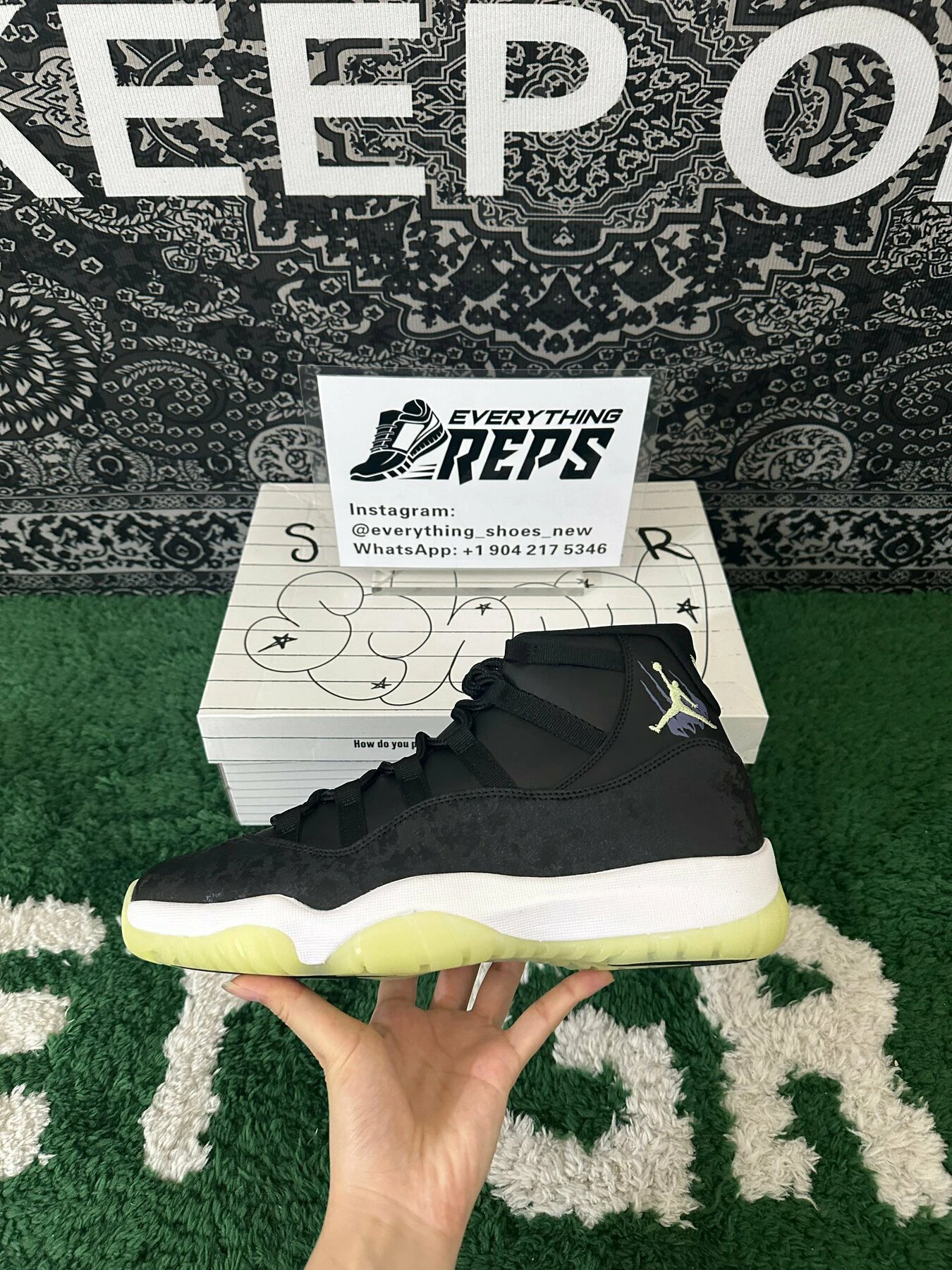
A shock drop is an unannounced release. The official release is the scheduled one, announced through brand channels and a named list of retail partners. Searches for the Jordan 1 Low scott shock drop official release usually start the same way: pairs appeared somewhere before a store had a buy plan written. That gap is where independent shops lose money, and it is what this guide addresses.
What follows covers the practical difference between the two events, where wholesale buyers realistically fit in, what to verify before paying for a pair, and how to set a buy plan when the release calendar keeps moving.
Shock Drop vs. Official Release: What Actually Changes
A shock drop exists to reward attention. Pairs load on a brand app with little warning, sell through in minutes, and never appear on a wholesale price list. The official release is the opposite in structure: a date, a confirmed channel list, and a fixed retail price.
For store buyers, the number that matters is not the drop itself but the spread between launch-week asking prices and the price once official pairs settle in. That spread usually compresses after the scheduled release, since supply is deeper and speculators start undercutting each other. Confirm live figures yourself before you commit cash; asking prices move daily.
| Factor | Shock drop | Official release | Buyer action |
|---|---|---|---|
| Notice | Minutes to hours, app push only | Dated, usually days to weeks ahead | Keep a standing buy plan, not a per-drop plan |
| Channel | Brand app or one partner | Named retailers plus brand app | Verify the channel list before paying |
| Size depth | Thin, often full sizes only | Broader, includes GS and half sizes | Buy depth in the sizes your customers request |
| Price behavior | Spike, then drift down | Fixed MSRP, resale normalizes | Wait for the settle if you are not chasing a flip |
Treat the Jordan 1 Low Scott shock drop official release as two separate buying events, because that is how the market prices them. Buyers who confuse the two tend to overpay during the spike and then sit on pairs through the correction.
Where Wholesale Buyers Actually Fit In
Hyped collaborations rarely appear on a standard wholesale price list. Accounts receive Allocation rather than placing orders, and allocation for a Travis Scott x Air Jordan 1 Low release typically flows to partners with documented sell-through. A single-door shop should assume zero direct allocation unless a rep has confirmed it in writing.
That leaves three realistic paths: consignment from a local collector, deadstock purchased from verified resale accounts, and liquidation or pallet lots that mix general-release stock with a few hotter pairs. Each carries a different risk profile, and the resale route is where most questionable offers show up.
Watch for language that promises supply nobody can promise. Factory direct, unlimited size runs, and landed cost far under current resale are the three phrases that should end a conversation. Legitimate suppliers talk About condition, original box, payment terms, and return policy. They do not talk about access to unreleased pairs.
Verifying a Pair Before You Pay
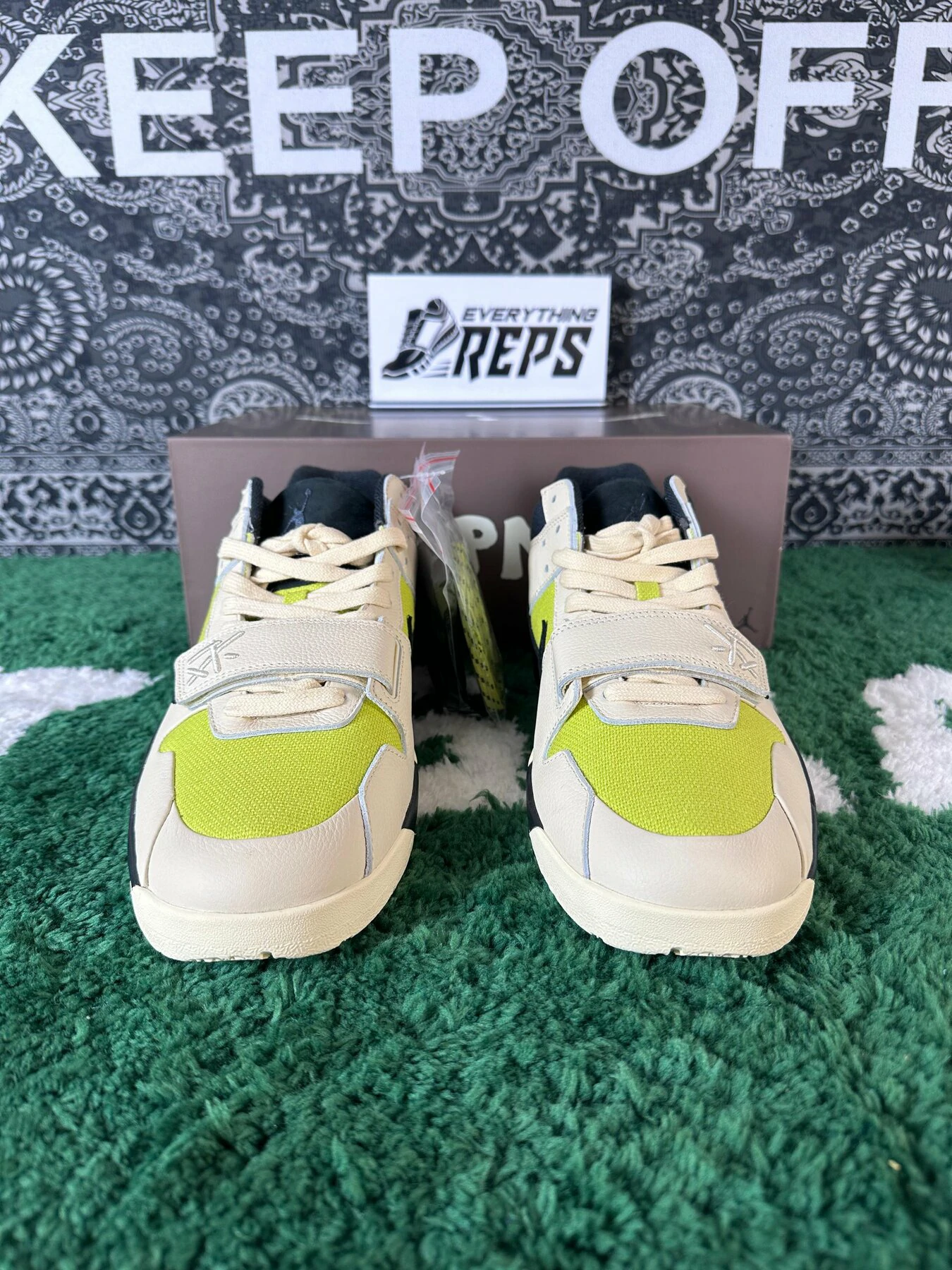
Authentication is a process, not a single glance at a logo. Build the habit into every purchase, even from sellers you have used before, because sourcing changes quietly when demand spikes.
- Match the style code and color code on the box label to the official product page.
- Read the size tag and tongue tag closely; small type is where replicas blur.
- Check the reverse swoosh angle and stitching on both shoes, not just the right one.
- Ask for timestamped photos of the actual pair instead of studio stock images.
- Compare weight and hand-feel if you can; replica materials read lighter and stiffer.
- Pay for a professional authentication check on anything above your comfort threshold.
Two or three agreeing signals plus a clean paper trail is the working standard most shops use. For high-value pairs, a written refund policy matters as much as the authentication itself.
Sizing Depth and the Margin Question
Men's US sizing drives most of the run, and GS pairs sit in a separate band that buyers often ignore until they are stuck holding them. Pull your own sell-through data by size before you commit, then weight the buy toward the sizes that actually move in your market.
Fit guidance should come from the official size chart, not from forum threads. Publish a short sizing note on your product page and link it prominently; it cuts returns more than any discount will.
Depth is the harder call. A shop with steady local demand can justify holding a fuller run and selling through the official release window. A shop that sells mostly online should keep depth shallow and reorder against actual orders, even if that means paying a small premium on the second buy.
Building a Buy Plan When the Calendar Is Unclear
Release calendars leak, change, and get walked back. A written plan removes the guesswork when an announcement lands at an inconvenient hour. Set your maximum unit count, your ceiling landed cost, and the size split in advance, then hold to them.
A workable buy plan for the Jordan 1 Low Scott shock drop official release should exist before the next announcement, not after it. Write down three numbers: units you can absorb without touching rent money, the highest landed cost that still clears your target margin, and the size run you will accept. Anything outside those lines is a pass, no matter how loud the hype gets.
Documentation helps too. Keep supplier invoices, authentication records, and payment receipts in one folder per purchase. When a customer disputes a pair six months later, that folder is your defense, and it also tells you which suppliers are worth keeping.
Frequently Asked Questions
Was this release confirmed by Nike or Jordan Brand?
Check the brand app and the official newsroom first, then the announcement pages of named retail partners. If you cannot find a primary source, treat the date as unconfirmed. Aggregator blogs and social accounts repost each other constantly, and a wrong date can tie up cash you needed for general-release inventory.
Can an independent store buy this shoe at wholesale?
Usually not directly. Collaboration pairs are allocated, and allocation follows account tier and sell-through history. Independents typically source through consignment, verified resale accounts, or mixed liquidation lots. Confirm condition, box, and return terms in writing before wiring funds, and expect to pay close to market rather than wholesale.
How many pairs should a small shop commit to?
Start from your own size-level sell-through rather than from hype. Many independents cap a single collaboration at a handful of pairs per size and reorder only after the first sells out. Exact numbers depend on your traffic and cash position; treat any figure you see online as a reference point only and confirm against your own sales history.
Is it safer to buy during the drop or after the official release?
After, for most shops. Resale asking prices tend to ease once official pairs reach the market, and you get a clearer read on demand. The tradeoff is that the most requested sizes dry up first. If you need a specific size run for a known customer, buy earlier and accept the premium.
What paperwork should accompany a wholesale or resale purchase?
An itemized invoice with style codes and sizes, payment terms, condition notes, and a written return or refund policy. For imports, keep commercial invoices and packing lists ready for your customs broker. Duty rates and clearance rules vary by shipment and origin, so confirm details with a licensed broker rather than relying on a supplier's estimate.
Plan the Buy, Then Take the Drop
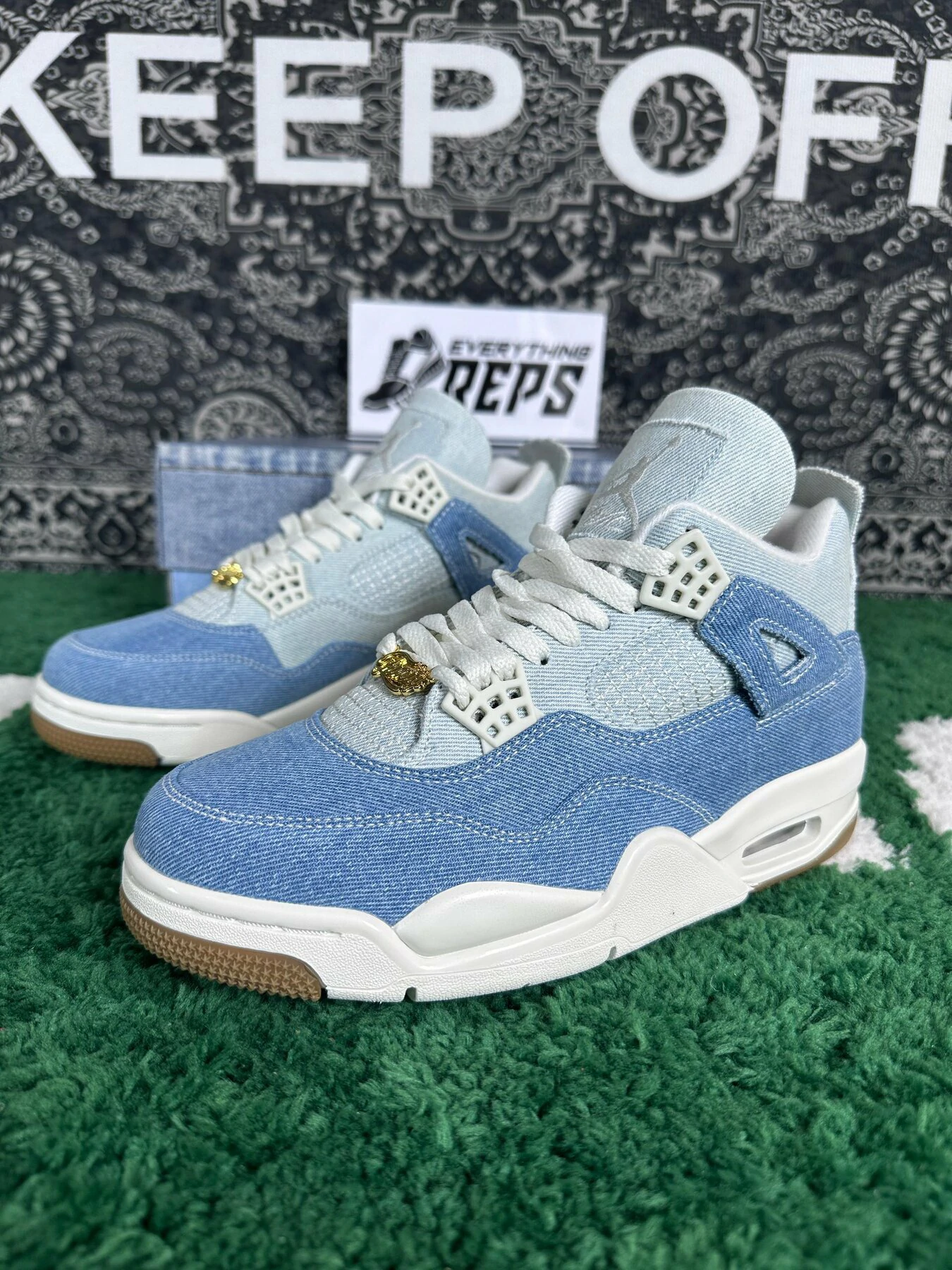
Shock drops reward preparation, not speed. If you are building inventory for the next Travis Scott x Air Jordan 1 Low cycle, send your size run, target landed cost, and monthly volume to a supplier you have vetted, and ask for current availability with condition notes attached. A short quote request now beats an expensive scramble later.