No, Nike does not offer a blanket lifetime Guarantee, and it does not cover normal wear. When a customer or a buying partner asks does Nike guarantee Their shoes, the accurate answer is narrower: Nike publishes a limited Policy for manufacturing defects, plus a separate return window for orders placed directly with Nike. Everything outside that, including sizing mistakes, daily wear, and product bought through Wholesale or liquidation channels, falls on whoever sold the pair.
This guide covers what the policy means in day-to-day retail, where resellers get stuck on claims, and how to write a Store policy that holds up when a customer walks in with a separated outsole.
What Counts as a Manufacturing Defect
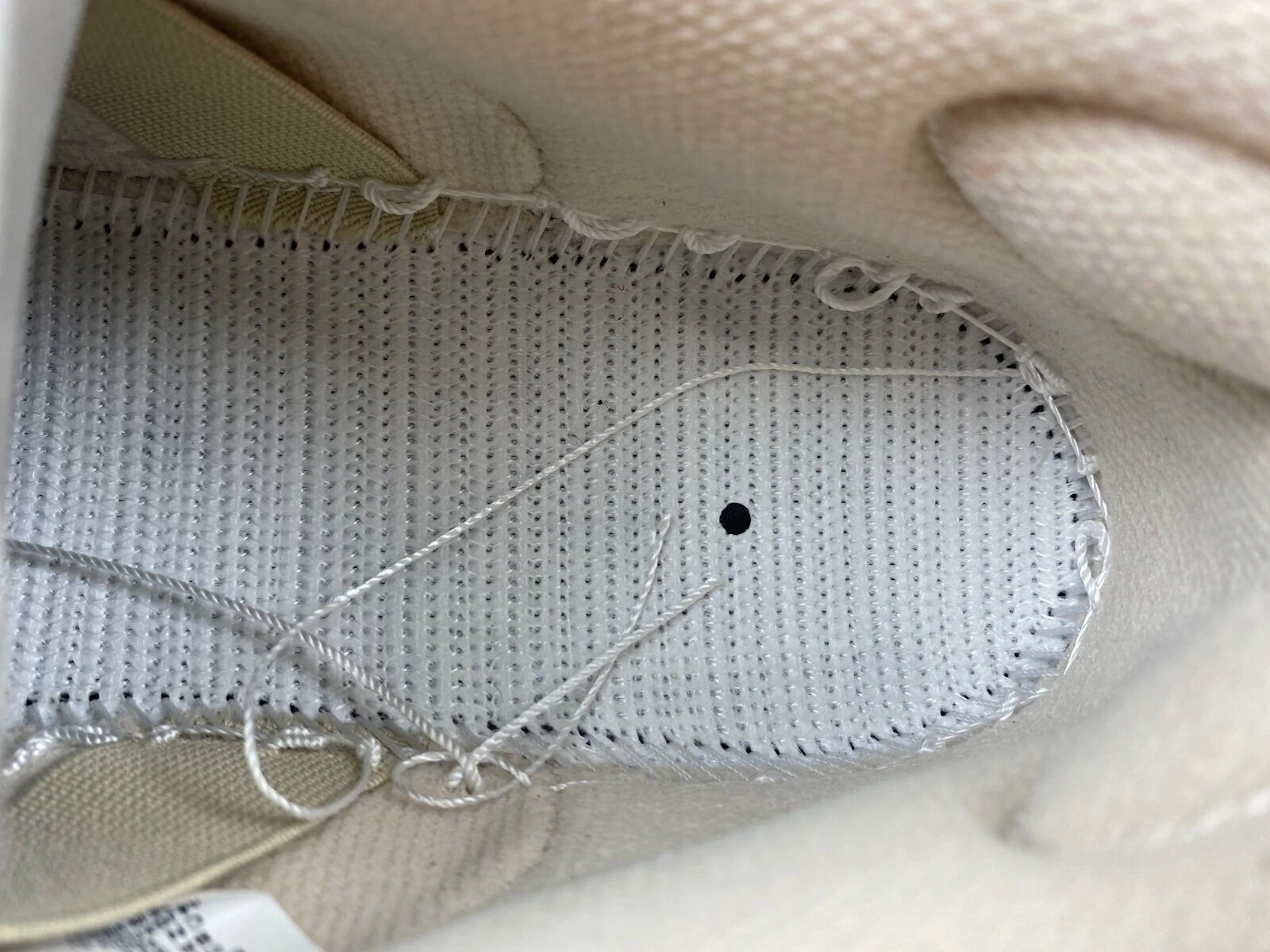
A defect is a failure of materials or workmanship, not a failure of the shoe to stay new. The claims that tend to hold up involve structure: an outsole separating at the bond line, a blown air unit on a pair that has barely been worn, stitching that pulls out at the eyestay, or a midsole glued off-center. Those are build problems, and a brand can usually trace them to a production run.
The claims that get rejected are almost always cosmetic or wear-related. A creased toe box after three weeks of daily wear is normal. A scuffed heel, a compressed insole, or a yellowed midsole from sun exposure are not defects. Neither is a glue smear on the upper, which most brands treat as a cosmetic blemish rather than a structural failure. Judgment calls on cosmetics belong to the seller, not the brand.
Failures that usually support a claim
- Sole separation at the toe or heel within weeks of first wear
- Air unit that collapses or hisses on an unworn or lightly worn pair
- Stitching that unravels at a stress point without abrasion nearby
- Upper material tearing at a seam with no cut or snag visible
- Two shoes from the same box that differ visibly in shape or panel alignment
Warranty vs Return Window: Two Different Clocks
These get mixed up constantly in customer conversations. A return window is about changing your mind or fixing a size problem, and it runs from the date of purchase. A defect claim is about a build failure, and it can surface weeks after the sale when the return window has already closed. Retailers who ask does Nike guarantee their shoes usually mean something more practical: who absorbs the loss when a pair fails after the customer has already worn it.
| Where the pair was bought | Who handles the defect claim | Typical timing | What you need to submit |
|---|---|---|---|
| Nike.com or Nike-owned retail | Nike directly | Return window for refunds, defect window per current published policy | Order number, photos, proof of purchase |
| Authorized retailer or chain | The store first, then the brand | Store window, commonly 30 to 60 days, confirm with the store | Receipt and unworn or lightly worn condition |
| Wholesale or distributor account | Your account rep or the distributor's claims desk | Per your supply agreement, get it in writing | Invoice, defect photos, return authorization number |
| Liquidation pallets and closeout lots | Usually nobody enforceable | Sold as-is in most cases | Nothing you can collect on, so price the risk in |
The timing column shows common practice only. Windows and procedures change, so confirm the current terms with the brand or your supplier before you quote anything to a customer.
What This Means on a Wholesale Account
If you buy through a distributor, your rep is the first call, not the brand's consumer support line. Consumer-facing policies are built for one pair bought with a credit card, not for a 60-pair shipment spread across three sizes. Ask your rep three questions before the first purchase order: how much of a shipment can be claimed, what evidence is required, and whether resolutions come as credit, replacement, or exchange only.
Get those answers in email. A verbal "we'll take care of it" is worth nothing at the end of a quarter when you are reconciling shrink. Your rep can also tell you how the brand's defect process applies to your specific account, which matters more than the general answer to does Nike guarantee their shoes that circulates online.
Buying From Liquidation or Closeout Lots
Pallet and closeout sourcing changes the math. These lots are typically sold as-is, and the discount you negotiate is partly compensation for the pairs that come back defective. A defect allowance belongs in your margin calculation, not in a claim you plan to file later.
Ask the supplier what defect rate they see on a given lot and whether they will replace obviously damaged units. Inspect on arrival, photograph anything broken, and separate sellable from unsellable before you list. If a lot arrives with crushed boxes and scuffed uppers, that is a sourcing conversation, not a brand claim, and no policy will rescue the margin.
How to File a Claim Without Losing the Customer
The paperwork is the easy part. The relationship is the asset. If you can swap the pair from stock and chase the credit afterward, do that. A customer waiting three weeks on a brand decision is a customer browsing a competitor's site.
- Photograph the failure up close, then take a second shot that includes the size tag and box label in the same frame.
- Keep the original box, receipt, and any invoice tied to the shipment.
- Record the sale date and the date the failure appeared. Claims age badly.
- Submit through the channel you bought from, not the consumer portal.
- Log the claim number and follow up on a fixed weekly cadence.
- Note the outcome in your buying file, tracking model, factory code, and lot.
That last step is where most independent stores leave money on the table. Six months of claim records will tell you which models and which suppliers generate returns, and that is leverage at the next price negotiation.
Writing a Store Policy That Matches the Brand's
Your policy can be more generous than the brand's, but it should never be vaguer. State the window in days, define what counts as a defect in plain language, and say whether you refund, replace, or issue store credit. Customers accept a firm boundary far more readily than a fuzzy one.
Two rules cover most situations. Accept anything that fails at a seam or bond inside your stated window, and decline anything with visible outsole wear. If a shopper asks does Nike guarantee their shoes, you need an answer that does not stall at the counter. "The brand covers manufacturing defects, and we handle it in-store for 30 days" is a complete sentence and it ends the debate.
Frequently Asked Questions
How long does a defect claim usually take?
Response times vary by channel and season, and a few weeks is common rather than exceptional. Do not promise a customer a specific date. Tell them you will handle it, then give them a realistic update window and stick to it.
Can I claim defects on shoes bought from a liquidator?
Usually not. Liquidation and closeout lots are generally sold as-is, with the discount reflecting that risk. Read the terms of sale, ask about replacement on visibly damaged units, and price the defect rate into your margin instead of counting on a claim.
What if the customer has no receipt?
For a brand claim you generally need proof of purchase from an authorized channel. If the customer bought from you, your own POS record should serve. Without any record, most brands will decline, and that is a good reason to keep transaction history searchable by name and date.
Is a glue stain or crooked stitching a defect?
It depends on severity. Minor cosmetic issues are usually treated as b-grade rather than a defect claim. Structural problems, meaning separation, tearing, or a collapsed component, are the ones that get approved. Set your own cosmetic tolerance and apply it consistently.
Do I need to be an authorized retailer to file claims?
Claims run through the channel you purchased from. An authorized wholesale account has a path, a gray-market purchase generally does not. If you source outside authorized distribution, plan to absorb defect costs yourself and say so in your own store policy.
Next Step for Buyers
Before your next order, get the defect policy, the credit terms, and the replacement process in writing from your supplier, alongside the current price sheet and size breakdown. If you are still comparing sources, request a quote and ask specifically how claims are handled on the models you plan to stock. That one question separates a real supply partner from a reseller moving boxes.