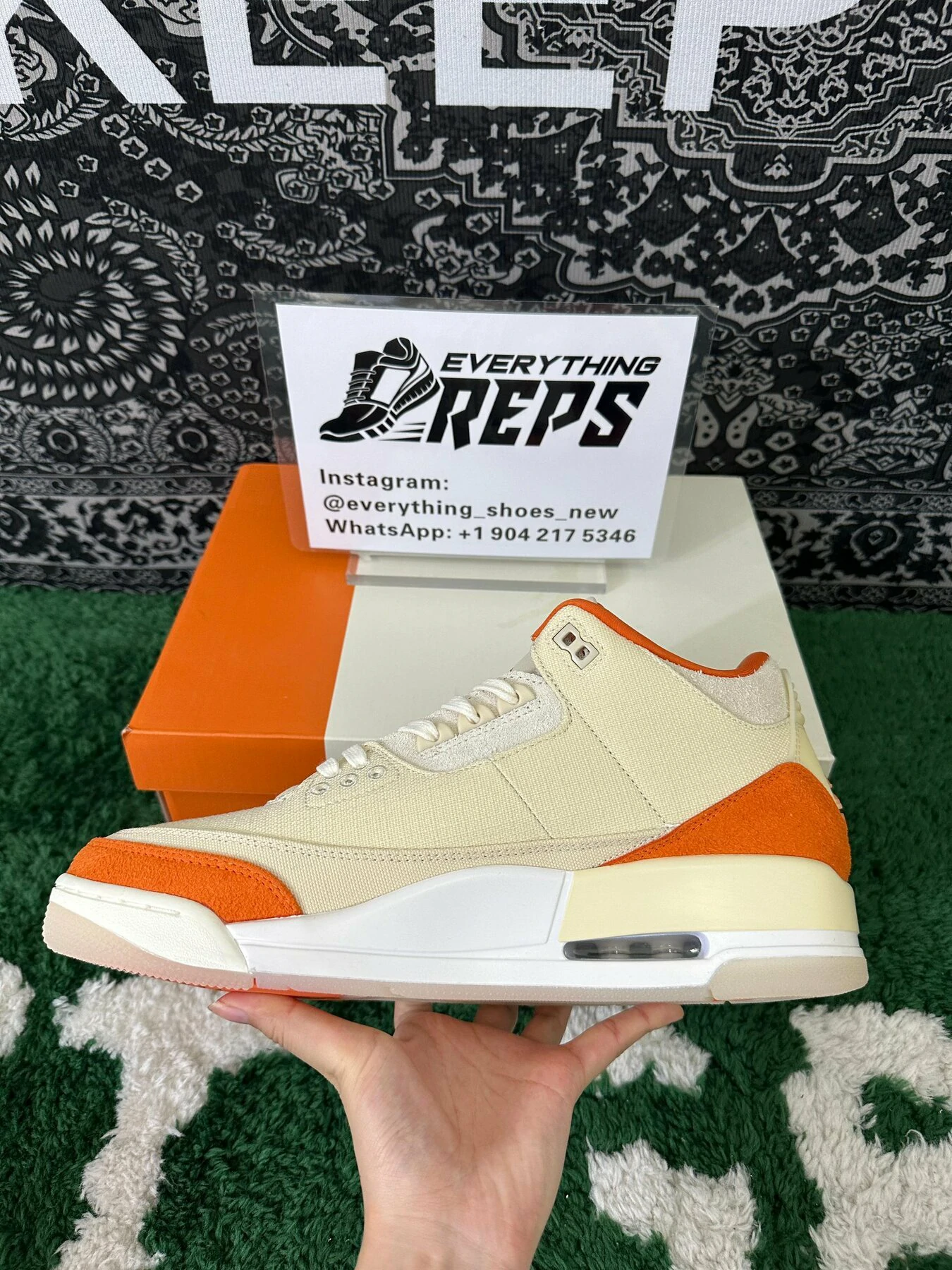
The Bred Jordan 1 Low is the black-and-red low-top that keeps coming back season after season because it is the cheapest way for a customer to get the Bred look. Black base, red overlays on the toe, eyestays, heel, and collar, white midsole, red outsole. That is the formula, and it traces straight back to the original 1985 black-and-red high-top.
Materials shift from release to release. Some pairs use a sturdier leather on the overlays with a softer synthetic on the quarter panel. Others lean almost entirely synthetic and feel flat in hand. Get the spec sheet Before you commit to volume, because two pairs at similar retail can feel like different shoes.
This article covers what drives sell-through on the colorway, how it fits across your size run, what to inspect when a shipment lands, and how deep a small shop Should stock it.
Why It Keeps Moving Off the Shelf
Black and red is the least controversial color combination in sneakers. It works with jeans, works with shorts, works for a 16-year-old and a 46-year-old. That range is why the colorway survives trend cycles that kill louder releases.
Price positioning matters just as much. The low-top sits well below the high-top in retail terms, so a customer who wants the silhouette but not the price walks out with a pair instead of a browser session. In a shop with limited wall space, that converts.
Three customer types show up for it. The replacement buyer whose last pair died, the budget sneakerhead who wants an recognizable colorway, and the gift buyer who knows the words "black and red Jordan" and nothing else. None of them need a sales pitch, which keeps your staff cost per sale low.
Which Version to Compare Before You Commit
Nike has reissued this color story many times with small differences: tongue branding, midsole color, leather finish, and collar shape. When buyers ask which Bred Jordan 1 Low to bring in, the honest answer is the one whose details match what your local customer already recognizes.
| Version | Key detail to Check | Typical retail band | Who it sells to |
|---|---|---|---|
| Low, white midsole | Red outsole, black tongue label | Roughly $110 to $145 | Everyday walk-in buyer |
| Low, black midsole | More muted look, closer to OG tooling | Similar band | Collectors and repeat buyers |
| Low Bred Toe | White quarter panel, red toe | Similar band | Customers who want contrast |
| Mid Bred | Higher collar, heavier feel | Slightly higher | Winter and workwear buyers |
| Grade school sizing | Simplified tooling, smaller last | Lower band | Parents, fast turns |
Those price bands are a general reference only, and they move with each drop. Confirm current retail and your landed cost with the supplier before you build a margin plan.
Sizing, Fit, and the Size Curve That Sells
Most Bred Jordan 1 Low pairs run true to size for the average foot. The forefoot is on the narrow side, and the toe box is low, so a customer with wide feet or a high instep should go up a half size. Say that at the counter and you cut returns.
Women buying men's pairs usually size down about one and a half sizes from their women's number. Kids move fast in grade school sizing, and that is often where the margin is cleanest because the ticket is lower and parents buy without debating.
For a US shop with a modest open-to-air budget, the core run is men's 8 through 11, with 9.5 and 10.5 turning first. Sizes 7 and 12 sit longer than most owners expect. Do not let a full size run from 7 to 13 eat your cash if your floor traffic skews toward one demographic.
- Stock deep in men's 9 to 10.5
- Go two to three pairs deep in 8 and 11
- Keep one pair each in 7, 12, and 13 as a service size
- Add grade school sizes if you sell to families
- Hold women's conversions in mind when customers ask for "my size"
Arrival Inspection: What to Check on Every Carton
Open the carton and inspect before the stock hits the floor. Problems caught on day one are supplier conversations. Problems caught on day thirty are your loss.
- Compare left and right shoes side by side for toe shape and collar height.
- Check stitch density along the swoosh and heel counter. Uneven spacing is a warning.
- Look at midsole paint lines for overspray and bubbles.
- Press the leather on the toe. It should crease in fine lines, not fold like plastic.
- Read the tongue label and the size tag inside the collar for clean, straight printing.
- Match the box label to the shoe: style, color code, and size should agree.
- Weigh a pair against one you already trust. Big gaps point to different materials.
Photograph anything that fails and log it by carton. Patterns across a shipment tell you more about a supplier than any single defective pair.
Authenticity Red Flags on Resale Stock
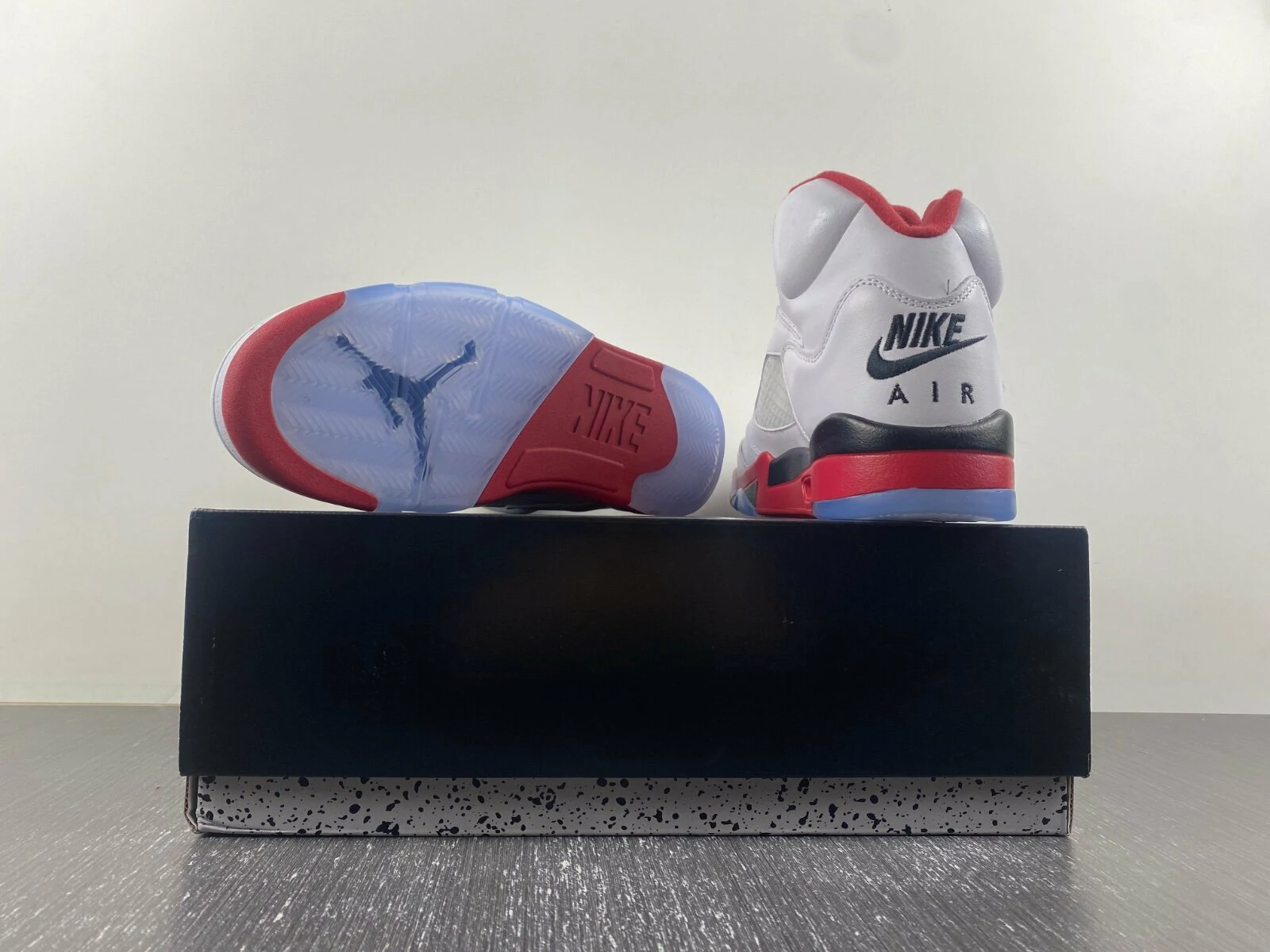
Fake Bred Jordan 1 Low pairs usually fail on details rather than on the overall shape. Sloppy glue along the midsole, a swoosh that sits too high, a tongue label with the wrong font weight, or a heel logo that is off-center are the common tells.
Ask for original photos with the box, the size tag, and the insole print, not catalog images. If the deal is far under market for a colorway that always sells, treat that as information, not opportunity.
For anything you plan to sell as authentic at a premium, run it through a professional authentication service. Photos on a phone screen are not a verdict, and neither is a YouTube comparison.
Buying Depth and Supplier Checks
Wholesale terms in this category vary widely. Minimum order quantities commonly land somewhere between a few pairs per size run and full-case commitments, and freight, duties, and clearing costs depend on your entry point. Treat any number you hear as a starting point and verify it with your customs broker.
Ask every supplier three questions before a first order: where the stock ships from, whether they accept a small trial order, and what their policy is on size-mix errors. Suppliers who dodge those questions tend to dodge claims too.
Start with a trial order sized to your actual sell-through, not to a discount tier. A slightly higher unit cost on 24 pairs beats a warehouse full of sizes nobody asks for.
FAQ
Does the Bred Jordan 1 Low run true to size?
For most customers, yes. The last is standard for the model, but the forefoot is narrow and the toe box is low. Wide-footed buyers should take a half size up. Always confirm against the current official size chart, since tooling can shift between releases.
Is this colorway a good first Jordan for a new customer?
It usually is. Black and red pairs with almost everything, the price sits below the high-top, and the silhouette is recognizable without being loud. That combination makes it an easy recommendation for someone buying their first pair.
How many Bred Jordan 1 Low pairs should a small shop order?
Base it on your last twelve months of comparable low-top sales, then add a small buffer in men's 9 to 10.5. A trial order of two to four size runs is common for a first buy. Confirm minimums with the supplier before you plan the shelf.
What should I pay wholesale for these?
There is no single number. Landed cost depends on volume, shipping method, and duties, and it moves with each release. Ask for a written quote that separates unit price from freight so you can compare offers on the same basis. Verify duty treatment with a licensed broker.
Can I sell these as authentic without a certificate?
Only sell what you can verify. Use a professional authentication service for anything bought outside an authorized channel, and keep the documentation with the inventory. Buyers in this category ask questions, and paperwork closes sales.
Next Step
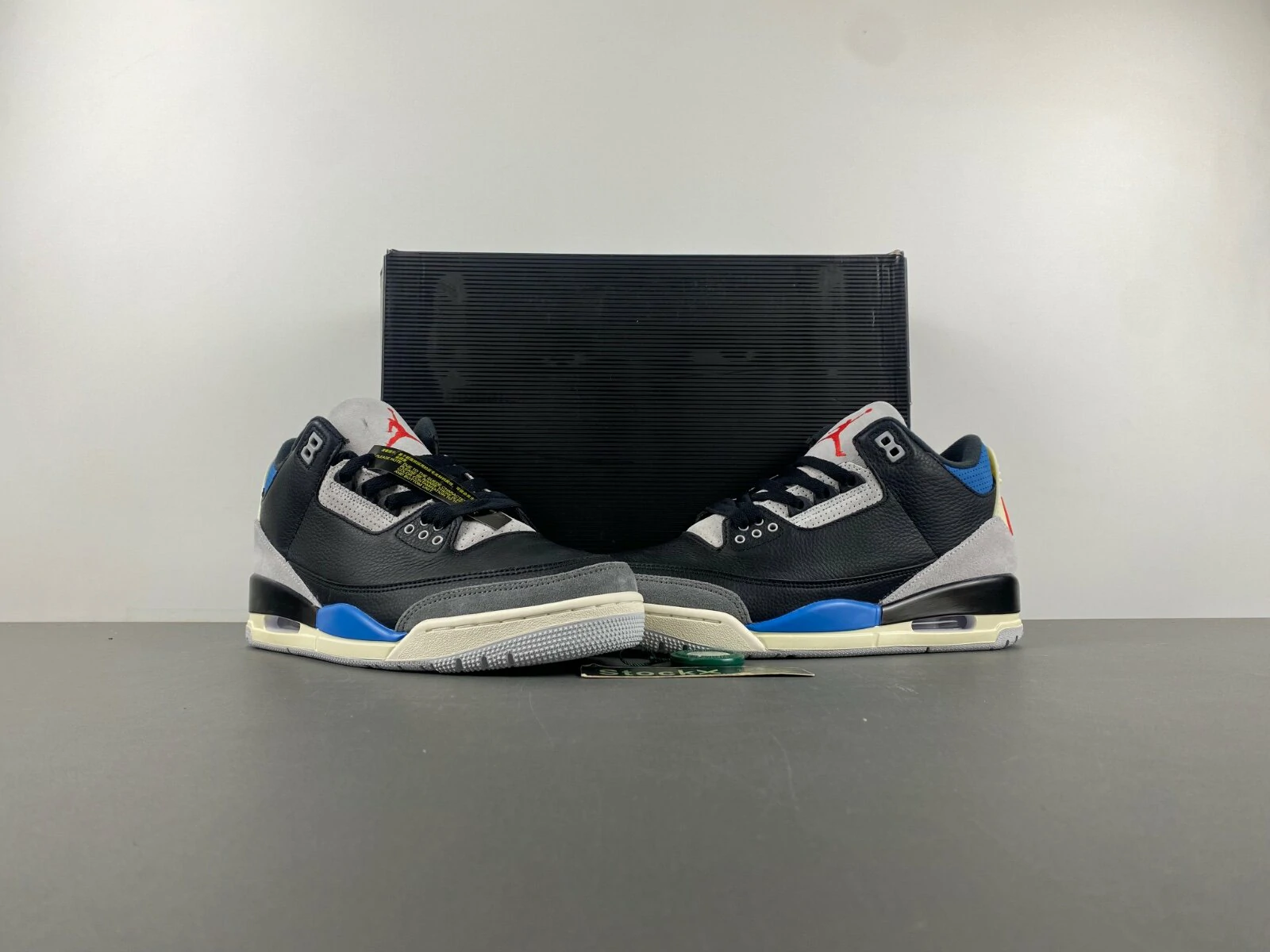
If you are building a black-and-red run for the coming season, start with a size curve that matches your own sales data and a supplier who will quote freight separately. Send us your target sizes, quantity, and delivery window, and we will come back with available stock, current wholesale tiers, and a landed cost estimate you can plan around.