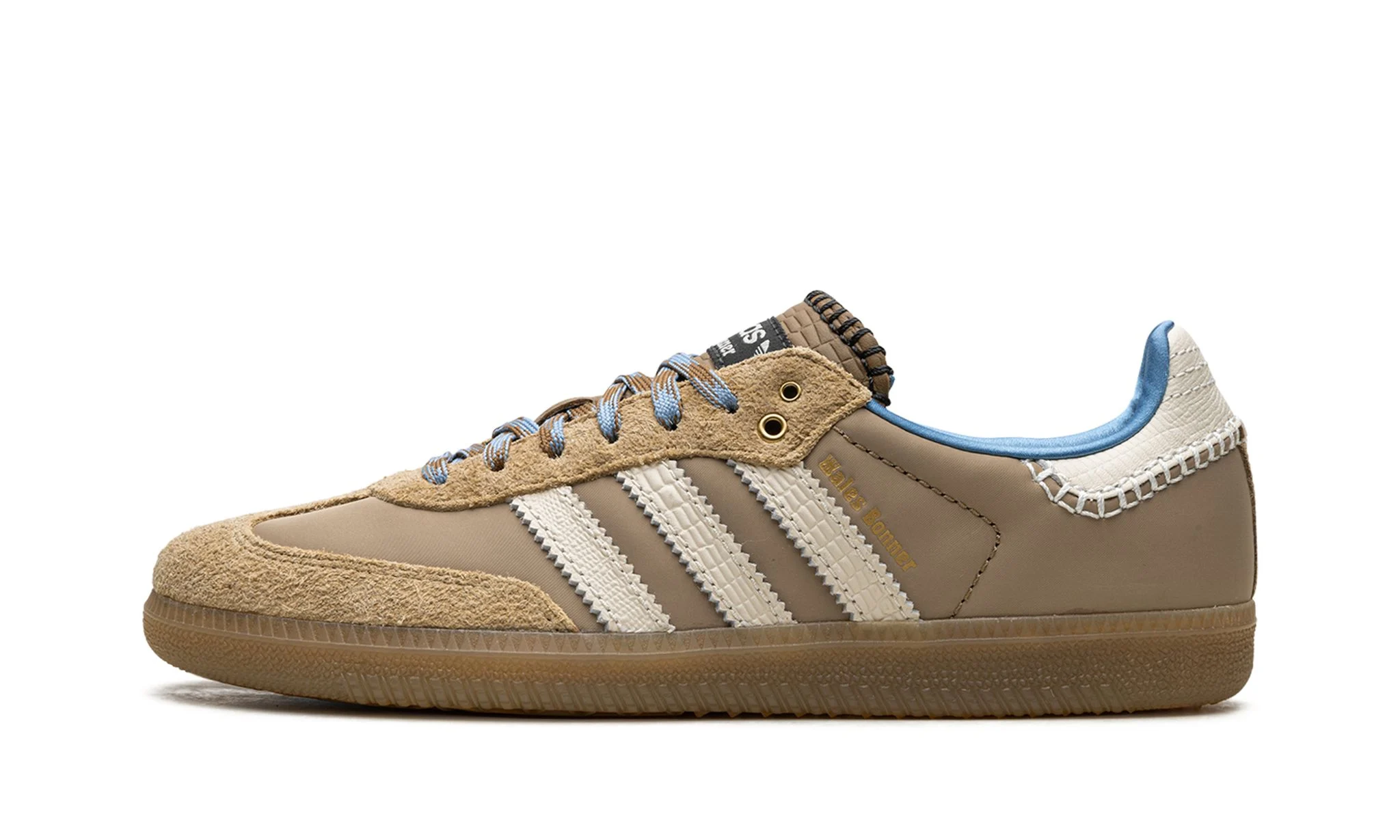
The short answer is that pairs of velvet sambas adidas are a narrow fashion play, not a core volume shoe for most US shops. They sell to customers who already want the Samba shape and are shopping for texture, color, and a seasonal look. Stock them only when you can buy small, verify the upper, and sell the story at the shelf.
This guide covers the product, the fit calls that affect returns, the fabric Checks that separate a good pair from a bad lot, and the supplier questions that protect your margin. It is written for independent stores and online sellers who need to make a buy decision, not a sneaker-history lesson.
What the Velvet Samba Actually Is
The Samba is a low-profile terrace shoe with a gum sole, a narrow toe, and a long history in indoor football. A velvet version keeps that base shape and swaps the usual leather or suede upper for a softer pile fabric. The change is mostly visual and tactile, not a performance upgrade.
For a store, that matters because the shoe has to be sold as a fashion item with a known silhouette. Customers who ask for a velvet Samba usually know the shape they want. They are less sure about how the pile wears, how it cleans, and whether the color will sit on a shelf long enough to justify the buy.
Fit and Sizing Signals Before You Commit
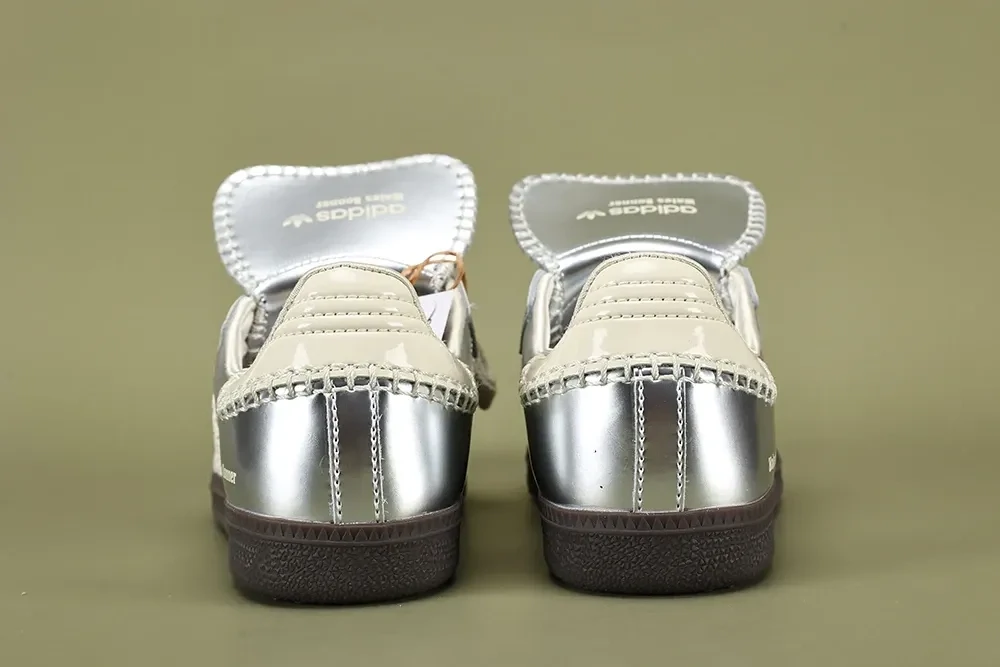
Samba sizing is not generous. Many buyers take a half size down from their usual running shoe size, while wide-footed customers often stay true or move up. For velvet sambas adidas, the main fit risk is the combination of a narrow toe and an upper that may feel stiff at first.
Do not build a size run from one try-on. Ask for a sample in two sizes, check the toe box with a medium-weight sock, and compare the insole length against your current best-selling flat. If the sample feels short, fix the size curve before the bulk order.
| Buyer signal | Common feedback | Stock action |
|---|---|---|
| Narrow feet | Half size down often feels close to usual | Order a small run in the core size first |
| Wide feet | Toe box can press on the little toe | Carry fewer deep sizes and warn online buyers |
| High instep | Lacing area may feel tight at first | Offer a fit note and an easy exchange policy |
| Orthotic users | Insole swap may change the fit | Do not promise the same fit as a running shoe |
Fabric and Construction Checks That Matter
Velvet is not one material. A dense, short pile looks richer and creases differently from a loose, shiny pile. Run your hand across the upper in two directions, then press a thumb into the side panel and release. A good lot should spring back without leaving a flat, oily mark.
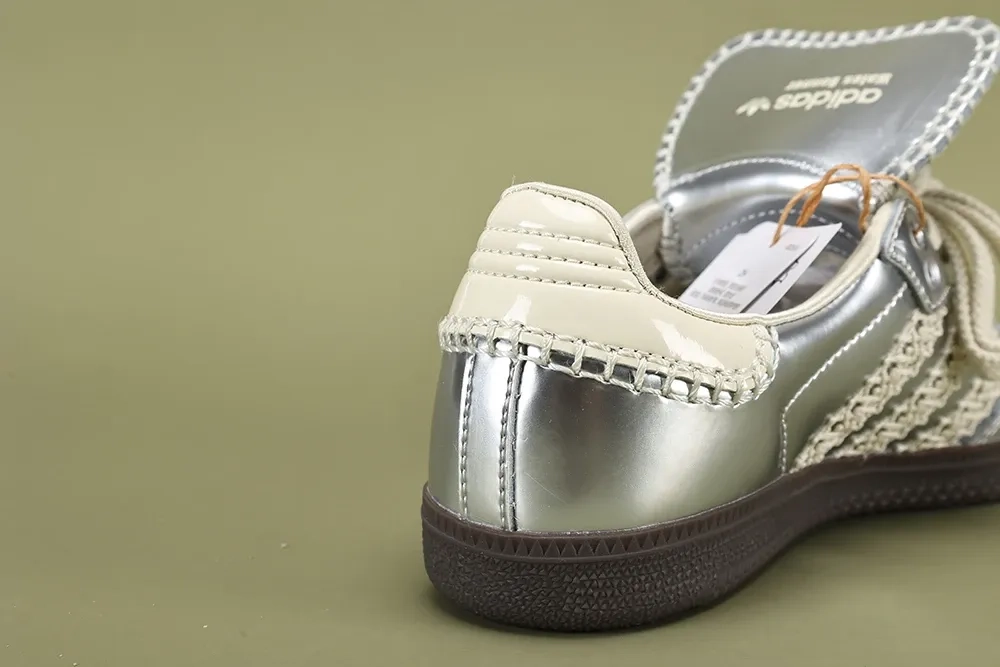
Check the toe and heel first, because those are the areas that take abuse in a store try-on. Look for crushed pile, glue stains at the sole edge, and uneven color under daylight. The gum sole, stitching, and heel tab should look clean and consistent, but small differences can appear on fashion runs; use your sample as the reference, not a photo from a social post.
Authenticity Signals for a Fashion Colorway
A velvet upper raises the number of details a counterfeit can get wrong. When you inspect velvet sambas adidas, look at the pile direction, the shape of the toe, the stitch spacing, and the print on the size tag. Compare those details with a pair bought from a source you trust, not just with retail photos.
Box labels and tissue paper help, but they are not proof. A clean box can hide a bad shoe, and a damaged box can hold a legitimate pair. For any high-value lot, use a professional authentication service or a third-party legit check before the shoes go live.
- Measure the insole and compare it with your sample, not the listed size alone.
- Photograph the upper under daylight and check for crushed or shiny patches.
- Confirm the size tag, style code, and box label match across the lot.
- Test the sole edge for excess glue and uneven stitching.
- Ask for a short video of the pair being flexed at the toe.
- Set aside one sample pair per size for staff reference.
None of these checks replaces a proper authentication review on a large buy. They do give you a fast way to reject a lot that feels wrong before you spend time on pricing.
Stocking, Pricing, and Supplier Questions
Treat velvet sambas adidas as a test buy until you know your local sell-through. A small run in two or three colors is easier to manage than a deep buy in one loud shade. If the shoe sits, markdowns hurt more on a fashion item because the customer who wanted it may have already bought elsewhere.
Ask suppliers how they pack the shoes, whether the size run can be mixed, and what they do when a pair arrives with a crushed upper. Common wholesale terms vary by supplier and order size, so get the details in writing. Do not assume a return window or a fixed MOQ; confirm both before you pay.
Retail pricing should follow current comps, not a fixed multiple. Velvet styles can carry a premium when the color is scarce, but a slow color does not deserve the same shelf space. Build your margin after freight, payment fees, and the cost of returns.
Supplier Verification and Sample Flow
Ask suppliers for close-ups of velvet sambas adidas in the exact color you plan to order, plus a short video of the pair being handled. Photos taken on a white background can hide pile flattening and color shift. A supplier who cannot provide fresh images is a supplier you should slow down on.
Start with a paid sample, then compare it with your reference pair before you discuss a larger order. Keep the sample box and label; they help you check consistency on the next shipment. If the sample is good but the bulk lot looks different, stop and ask for an explanation before you accept the goods.
Import duties, clearance rules, and local taxes depend on the shipment and the port. Use a customs broker for current treatment and keep your commercial invoice clean. This is not legal advice, and the rules can change.
FAQ
Are velvet Sambas true to size?
They follow the Samba last more than a running-shoe fit. Many buyers go half a size down, but wide feet often stay true or size up. Use the official Adidas size chart and a measured insole, then test a sample pair before you set online fit notes.
Will the velvet upper crease or crush?
Velvet can flatten at the toe and side panel, especially when pairs are stacked or tried on without care. Store them with light stuffing, avoid tight shelving, and tell customers to brush the pile rather than rub it. A soft brush and a little steam can help, but test on a hidden area first.
Can I clean velvet Sambas at home?
Start with a dry soft brush and a microfiber cloth. Avoid soaking the upper or scrubbing hard, because wet pile can mat and dye can bleed. For deep marks, use a cleaner labeled for velvet or take the pair to a shoe care professional. Always test on a small hidden spot.
How many colors should a small shop stock?
For a first buy, two or three wearable colors are easier to manage than a full rainbow. Pick one neutral, one dark, and one seasonal shade if your customers respond to color. Review sell-through after the first few weeks and reorder only the size and color that move.
If you are building a buy list for the season, request current photos, a sample pair, and a written size run from your supplier before you commit. A short sample review now is cheaper than a long markdown later.