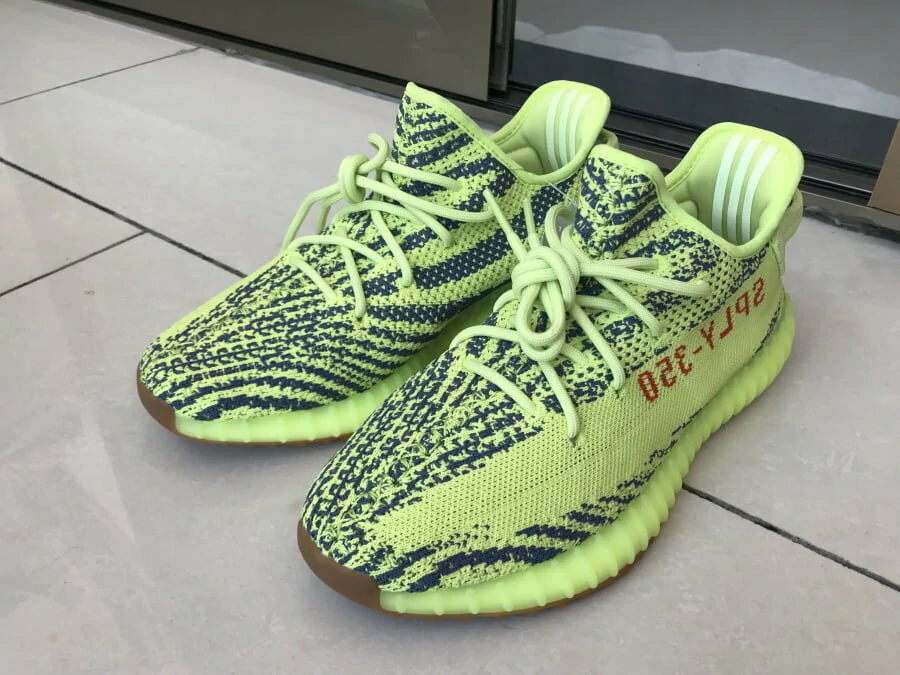
The adidas neighborhood gazelle super is a slim suede trainer built on the Gazelle Super tooling and finished with Neighborhood co-branding, and it does not move like a mainline Gazelle. Most pairs that reach US shops arrive through secondary and gray-market channels rather than a standard seasonal allocation. What follows covers the shape and Materials, how it fits, what to inspect on arrival, and how to build an order you can actually sell through.
What the Shoe Actually Is
Strip away the branding and you get a low-profile silhouette: suede upper, T-toe overlay, thin gum rubber outsole, and a shape closer to a vintage handball shoe than to anything chunky. The Super tooling is flatter and narrower than the Gazelle Indoor, which matters when you merchandise the two side by side on the same wall.
Neighborhood marks usually land on the tongue label, the heel or quarter panel, and sometimes the insole. Since releases differ, Verify the exact pair in front of you instead of trusting photos from an old blog post. Ask the supplier for the article number and a clear shot of the size tag Before you commit to volume.
Buyers confuse this model with the plain Gazelle or the Gazelle Indoor on a spec sheet, because the names look interchangeable and the images blur together at thumbnail size. They are different shoes with different cost structures. Confirm the silhouette in writing before the purchase order goes out.
Fit and Sizing on the Shelf
For most buyers the adidas neighborhood gazelle super runs true to size, but it is cut narrow through the forefoot with a low toe box. Wide-footed customers often go up a half size, and that is worth saying at the counter instead of processing a return three weeks later. Labels use US men's sizing, so women typically subtract 1 to 1.5 sizes.
Stock the middle of the run deeper than the edges. In most stores, US men's 8 through 11 carries the bulk of sell-through on a slim suede shoe, while 7 and below and 12 and above sit unless you have a specific clientele. Check your own sales history before copying anyone else's size curve.
| Model | Underfoot feel | Sizing note | Best for |
|---|---|---|---|
| Gazelle Super (including collab pairs) | Thin, flat, low to the ground | True to size, narrow forefoot | Customers chasing a vintage profile |
| Gazelle Indoor | Slightly thicker with gum outsole | True to size, roomier toe | Everyday wear, wider feet |
| Gazelle OG | Flat and classic | True to size | Core basics, easy reorders |
| Samba OG | Very flat, snug fit | Often a half size up | High-turnover trend buyers |
If you sell online, publish measured insole length for the two or three most-requested sizes. Returns on slim suede shoes usually trace back to width rather than length, and a tape measure prevents most of them.
Inspection Checklist for Incoming Pairs
Suede tells you a lot before you ever look at a label. Healthy nap shifts direction under your thumb and springs back without leaving a bald patch. Cheap material feels papery and creases sharply in the same spot every time.
Work through the same list on every pair, and photograph anything that fails:
- Toe shape: symmetric T-toe overlay, no ripples where the suede meets the outsole.
- Stitch density: even spacing around the overlay, no loose or doubled stitches.
- Outsole: consistent gum tone, clean sidewall, no glue squeeze-out.
- Tongue and heel branding: crisp print or emboss, correct proportions, no bleeding.
- Insole and size tag: article number matches the box label and the supplier invoice.
- Lining and footbed: even stitching, no chemical smell strong enough to linger.
Two or three failures on one pair is a red flag for the whole carton. Pull the rest and check before you list anything.
Authenticity: Where Fakes Usually Slip
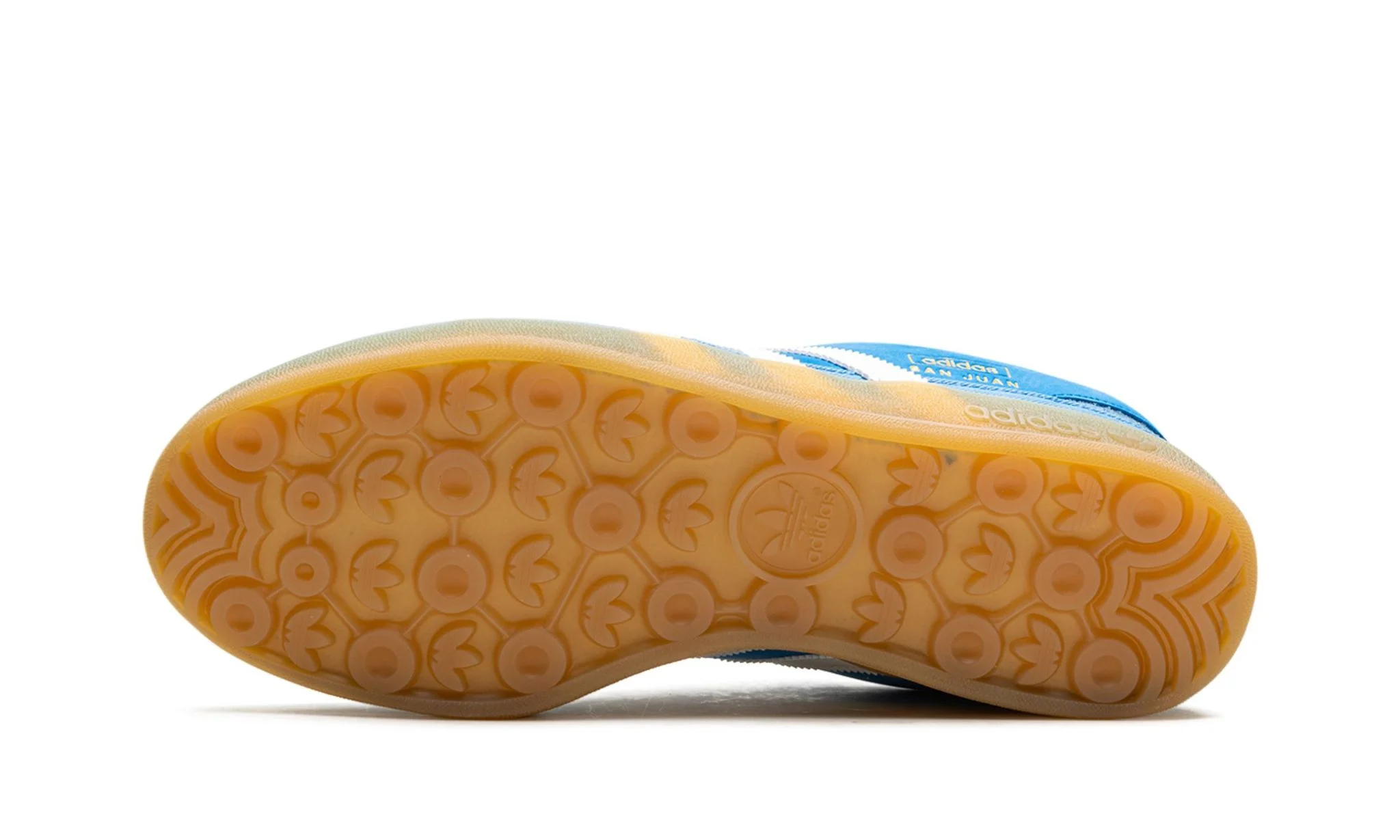
Replicas of the adidas neighborhood gazelle super keep appearing because the branding is easy to copy and hard to confirm from photos. The reliable tells are rarely the big logos. They are the small things: the proportions of the T-toe, the exact tone of the gum, how the suede is cut at the eyestay, and print quality on the insole.
When a lot looks right but the paperwork does not, slow down. Ask for original purchase records, compare the article number against published release info, and use a professional authentication service for anything above your comfort threshold. One bad pallet can cost more than the margin on five good ones.
Ordering for Inventory Without Dead Stock
Depth beats breadth on a shoe like this. One or two colorways bought deep in the core size run will outsell six colorways bought two pairs each, and reordering a winner is far easier than discounting a rainbow.
Ask every supplier the same four questions in writing: exact article number, MOQ per size, whether they can hold a full size run together, and the return policy on pairs that fail inspection. Collab MOQs commonly run higher than mainline Adidas, though it varies widely by source, so treat any figure as a starting point for negotiation rather than a quote.
On price, expect secondary-market cost to track release buzz and size. There is no stable wholesale price list for a collaboration pair, so build the margin model on the quote in front of you rather than last season's numbers. Freight and duties can swing the math more than the unit price itself, so confirm duty treatment with a customs broker before committing.
Packing deserves attention too. Ask how pairs are boxed for transit, because crushed heels and scuffed toes turn sellable stock into markdowns. On international shipments, clarify who handles duties and what documentation travels with the carton.
One more habit worth building: photograph and log every pair you receive. If a customer disputes authenticity eight months later, that record is the difference between a clean resolution and a chargeback.
FAQ
Does the adidas neighborhood gazelle super run true to size?
Most buyers take their usual US size. The forefoot is narrow and the toe box sits low, so wide-footed customers often go up a half size. Women should subtract roughly 1 to 1.5 sizes from the men's label. Check the official size chart for the specific release.
How do I confirm which release I am buying?
Match the article number on the size tag to the box label and the supplier invoice, then compare against published release details. Photos alone are unreliable because lighting shifts suede tone. If the seller cannot produce a consistent article number, walk away.
Is this a safe first collab buy for a small shop?
It is reasonable if your customers already buy slim suede silhouettes. If your floor leans toward running and chunky styles, start with a shallow test order instead of a full size run. Your own sell-through data beats any forecast.
What MOQ should I expect?
There is no standard figure. Collab and gray-market sources often ask for more than mainline Adidas accounts, sometimes measured by size run rather than unit count. Get MOQ, lead time, and return terms in writing, then confirm again before any payment moves.
Can I reorder the same colorway later?
Usually not at the same price, and often not at all. Collaboration pairs are produced in fixed runs, so plan the buy as a one-time position. If a colorway sells through, that is your signal to look at adjacent silhouettes rather than wait for a restock.
Pricing out a first or repeat order? Send your size curve, target landed cost, and delivery window. We will tell you what is realistic in the current market and put together a quote you can check line by line before you commit.